
Plants
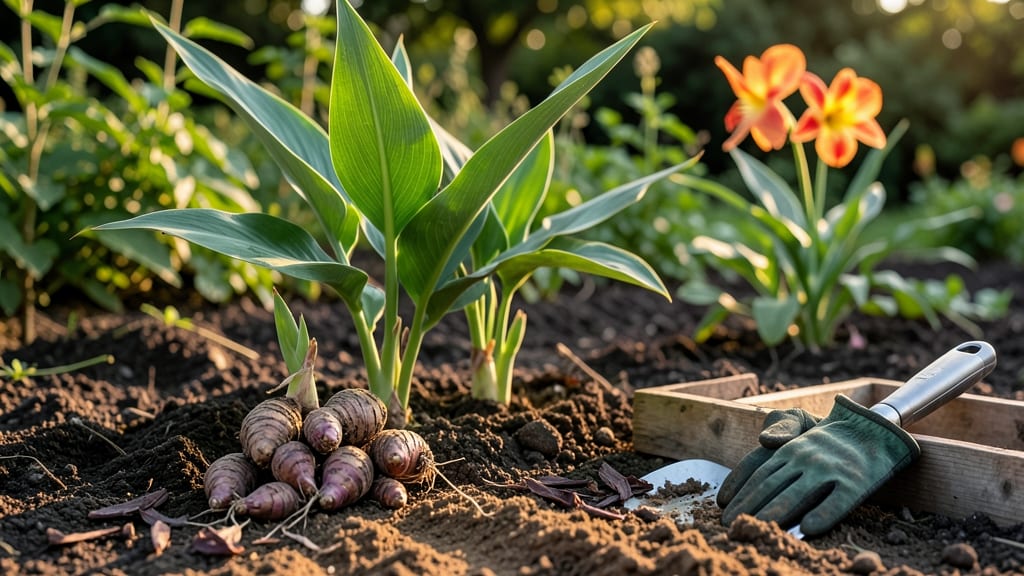
Best planting months for cannas in Oklahoma’s climate Zones
Oklahoma’s USDA Zones 7a-8a create a tricky balance for cannas—too early, and frost zaps your tubers; too late, and summer heat stunts growth. The sweet spot is after your last average frost date, which typically falls between late April and early May across most of the state.
But don’t just guess—check your local microclimate (urban areas warm faster than rural zones).
For northern Oklahoma (Zones 7a-7b), aim for mid-to-late May when soil temps consistently hit 60°F. Southern regions (Zones 8a) can plant as early as late April, but always wait for nighttime temps above 55°F to avoid tuber rot.
Pro tip: Use a soil thermometer—cannas won’t thrive until the ground warms up!
| Zone | Last Frost Date | Ideal Planting Window | Soil Temp Requirement | Heat Zone Notes |
|---|---|---|---|---|
| 7a (Northern OK) | April 15-May 1 | Mid-to-late May | 60°F+ consistently | Longer growing season; mulch heavily |
| 7b (Central OK) | April 1-May 15 | Late April-early May | 60°F+ consistently | Balanced heat; watch for early frosts |
| 8a (Southern OK) | March 15-April 15 | Late March-early April | 55°F+ minimum | Hotter summers; plant early to avoid heat stress |
🌡️ Key: Always plant after soil reaches 60°F for best tuber establishment
If you’re eager to jumpstart your garden, you can pre-sprout tubers indoors in March using a sunny windowsill or grow lights. Just plant them 2-3 inches deep in pots with well-draining soil, and transplant outdoors after the last frost.
This head start gives cannas a 3-4 week advantage over direct planting.
For container gardeners, the rules are slightly different. Since pots heat up faster, you can plant 2-3 weeks earlier than in-ground plants. Just ensure your containers have drainage holes—cannas hate soggy roots, and Oklahoma’s summer downpours can turn deadly quickly.
Use a lightweight potting mix with added perlite to prevent compaction.
One common mistake? Planting cannas too deep. Bury rhizomes only 2-4 inches deep—any deeper, and they’ll rot before sprouting. The eyes (growth points) should face upward, about 1 inch below soil level. Think of it like planting potatoes: shallow enough to sprout, but deep enough to stabilize.
Oklahoma’s unpredictable fall frosts (often hitting by mid-November) mean cannas rarely survive winter outdoors. Dig up tubers before the first frost, or use heavy mulch (6+ inches) to protect them.
In Zone 8a, some varieties might overwinter, but don’t count on it—always plan to dig and store for safety.
For a foolproof schedule, mark your calendar for May 10-20 as the safest bet across most of Oklahoma. By then, the soil is warm, frost risk is minimal, and your cannas will have 120+ days of growing season to reach their full, tropical glory.
Just remember: patience pays off—rushing leads to floppy stems and fewer blooms.
Pro move: Pair your cannas with heat-tolerant companions like black-eyed Susans or salvias to create a low-maintenance, high-impact border. These plants thrive in the same conditions, so you’ll spend less time fussing and more time admiring your summer-long blooms.
Signs it’s the perfect time to plant cannas in Oklahoma
Planting cannas in Oklahoma isn’t just about checking a calendar—it’s about reading your local climate cues. The ideal window typically falls between late April and early May, but Mother Nature often sends clearer signals.
Pay attention to these key indicators to time your planting perfectly for zero-frost survival and vibrant blooms.
First, watch for consistent daytime temperatures that stay above 60°F for at least 5 consecutive days. Cannas are tropical plants at heart, and they’ll thrive once the soil warms up.
Use a soil thermometer to confirm—60°F is the magic number for active growth. If your thermometer reads lower, wait a few more days.
Next, observe your local weather patterns. Oklahoma’s unpredictable frosts can sneak in even after the official last frost date. Check your local weather forecast for a 5-day frost-free outlook before planting.
Apps like Old Farmer’s Almanac or NOAA’s Climate Prediction Center provide reliable frost risk alerts tailored to your zip code.