
Plants
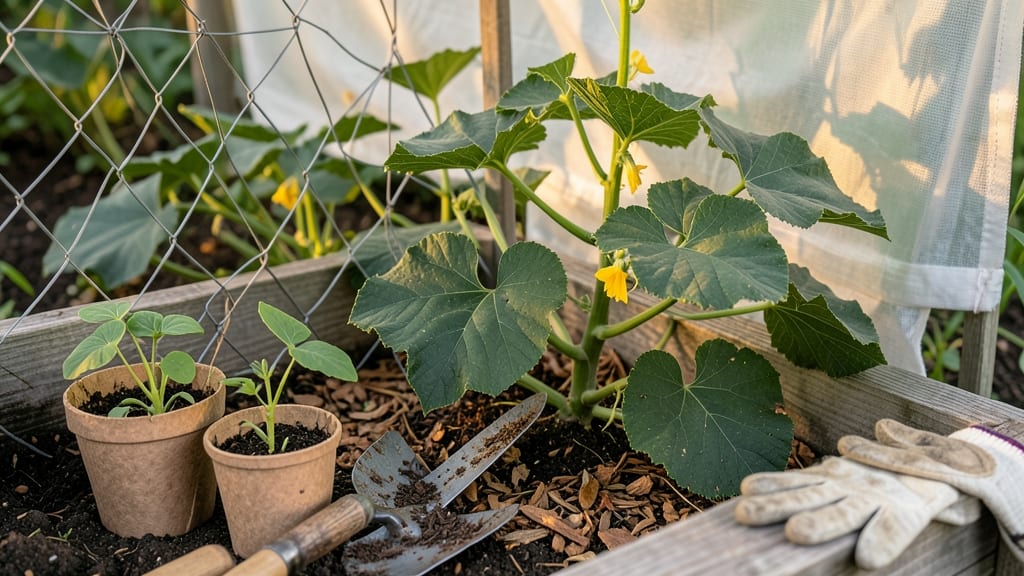
Timing your 🥒 cucumber planting in New Jersey could mean the difference between a bumper crop and wasted seeds. The April 15-June 15 window exists for a reason—plant too early and risk frost damage, too late and miss peak harvest season when temperatures hit that sweet spot of 60°F+ soil.
I’ve learned the hard way that New Jersey’s 6a-7b zones create microclimates where coastal areas warm faster than inland spots. That’s why understanding your specific frost-free deadline—whether you’re in Trenton or Atlantic City—isn’t just helpful, it’s essential for maximizing your garden’s potential.
This guide will walk you through exactly when to plant, whether you’re starting seeds indoors or sowing directly outside. We’ll cover soil temperature tricks, how to extend your growing season with row covers, and even companion plants that thrive alongside your 🥒 cucumbers in NJ’s unpredictable summer heat.
Ready to avoid common mistakes and get the most out of your garden? Let’s dive into the frost-free strategy that’ll have you harvesting crisp, homegrown cucumbers from June through September.
New Jersey’s frost-free deadline for planting cucumbers (Zone 6a-7a guide)
New Jersey’s last frost dates vary dramatically between the northern and southern regions, which can shift your cucumber planting window by 2-3 weeks. In Zone 6a (North Jersey), the average last frost is April 15, while Zone 7a (South Jersey) typically sees frost-free conditions by April 1.
Always verify local data using the NJ State Climate Office for your exact microclimate.
Cucumbers are heat-loving plants that need soil temperatures of at least 60°F (15°C) to germinate properly. Cold soil delays sprouting and weakens seedlings. Test your soil temperature with a soil thermometer—plant only when it consistently stays above 60°F for 5+ days.
In cooler North Jersey, this often means waiting until mid-May.
For direct sowing outdoors, aim to plant cucumbers 2-3 weeks after your last frost date. This gives seedlings time to establish roots before summer heat arrives. In South Jersey, this translates to April 15–May 1, while North Jersey gardeners should wait until May 1–15.
Always use black plastic mulch to warm soil faster and improve germination rates.
🌱
📋 New Jersey Cucumber Planting Timeline by Region
| Region | Last Frost Date | Ideal Planting Window | Soil Temp Requirement | Harvest Window |
|---|---|---|---|---|
| North Jersey (Zone 6a) | April 15 | May 1–15 | 60°F+ | July–September |
| Central Jersey (Zone 6b-7a) | April 1–10 | April 15–May 1 | 60°F+ | June–September |
| South Jersey (Zone 7a) | March 25–April 1 | April 15–30 | 60°F+ | June–October |
💡 Pro Tip: Coastal areas (e.g., Cape May) may plant 1-2 weeks earlier due to milder microclimates.
If you’re starting seeds indoors, begin 4-6 weeks before your target outdoor planting date. Use biodegradable pots to avoid transplant shock. Harden off seedlings by placing them outdoors for 2-3 hours daily starting 1 week before transplanting.
This gradual adjustment helps cucumbers adapt to New Jersey’s variable spring weather.
For extended harvests, consider succession planting. Sow a second batch of seeds 2-3 weeks after your first planting. This ensures a steady supply of fresh cucumbers through August and September, when market varieties may dwindle.
Just be sure to space plants 12–24 inches apart to prevent overcrowding and disease.
🌿
Urban gardeners in New Jersey cities like Newark or Jersey City often face heat islands that can push soil temperatures 5–10°F warmer than rural areas. Use shade cloth during extreme heat (>90°F) to protect young plants from bolting (premature flowering).
Container growers should choose bush varieties like ‘Bush Champion’ to save space and reduce watering needs.
Always monitor local weather forecasts and adjust your planting timeline accordingly. A late frost in May can devastate early plantings, while unexpected heat waves can stress seedlings.
By aligning your cucumber schedule with New Jersey’s frost-free zones, you’ll maximize yield and enjoy homegrown produce from summer through early fall.
Heat-Zone planting strategy: avoiding bolting & maximizing yield in NJ’s summer
New Jersey’s summer heat isn’t just about sunscreen—it’s a critical factor for cucumber success. Heat zones determine when to plant for peak production, avoiding the dreaded bolting (when plants flower too quickly). In Zone 6a-7a, cucumbers thrive in 75°F+ temperatures, but timing matters to prevent wasted seeds.
Start planting cucumbers in early June for coastal areas like Cape May, where summers are milder. Inland regions like Trenton or Newark can begin mid-May if soil warms to 60°F+. Late summer plantings (after July 15) risk stunted growth from cooling fall temps.
🔹 Key Temperature Thresholds:
- 55°F minimum for germination (soil must stay above this)
- 60°F+ for root establishment (wait for this before planting)
- 75°F+ for optimal growth (ideal for NJ summers)
🌡️ NJ Heat-Zone Planting Timeline
- May 15–June 15: Ideal for direct sowing in warm soil (coastal NJ)
- June 1–July 15: Best for inland regions (soil warms slower)
- July 15–August 1: Succession planting for late-season harvests
Extend your harvest with row covers or trellises—both shield plants from heat stress and improve air circulation. Trellises also reduce disease risk by keeping foliage dry. For bush varieties, plant in raised beds to warm soil faster.
Pro tip: Use black plastic mulch to raise soil temps by 5–10°F, giving you a 2-week earlier planting window. Just remove it after plants establish to prevent overheating.
Remember, bolting (premature flowering) happens when cucumbers sense cool nights after hot days. Avoid this by planting heat-tolerant varieties like ‘Straight Eight’ or ‘Marketmore 76’—they handle NJ’s summer heat better than standard types.