
Plants
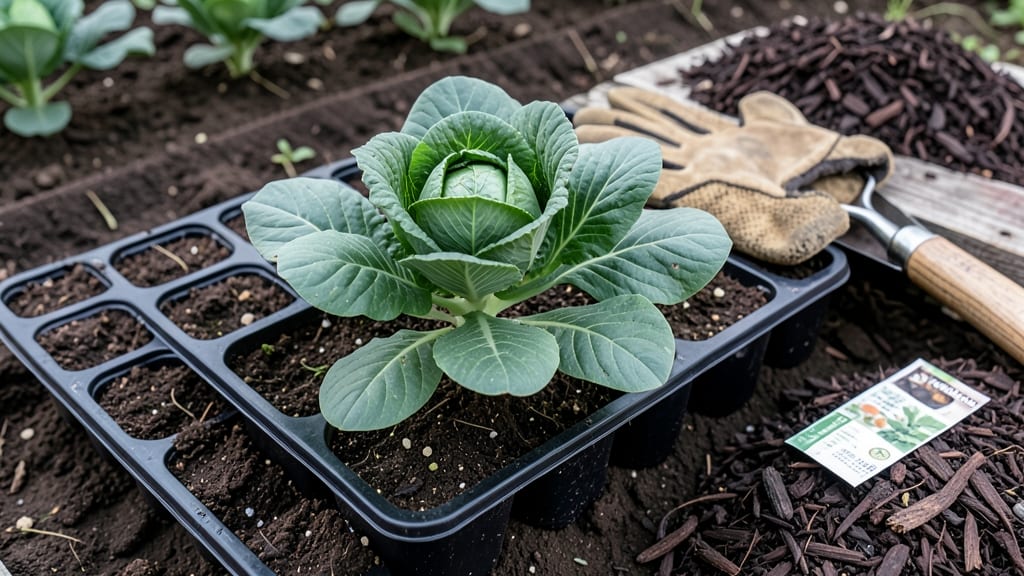
Timing is everything when it comes to growing 🥬 cabbage in Zone 6b—plant too early, and you risk bolting; too late, and your harvests suffer.
The key to sweet, crisp heads lies in understanding your local frost dates and soil conditions, which can make all the difference between a thriving garden and a disappointing one.
Zone 6b’s short growing season means you’ve got just two prime windows to plant: early spring (March–April) or late summer (July–August). But getting those dates right isn’t just about the calendar—it’s about soil temperature, variety selection, and avoiding heat stress.
I’ll break down the exact steps to ensure your cabbage thrives from seed to harvest.
Whether you’re starting seeds indoors or direct-sowing, knowing when to plant cabbage in Zone 6b can extend your harvest well into fall. We’ll cover everything from soil prep to succession planting, so you can enjoy fresh 🥬 cabbage for months. Let’s get your garden on track for success!
Ready to avoid bolting and maximize your yield? Discover the best planting dates, variety choices, and pro tips to keep your cabbage happy—no guesswork required. Your garden (and taste buds) will thank you!
Optimal planting windows for cabbage in Zone 6b (spring & fall)
In Zone 6b, where last frost typically hits around April 15, timing is everything for cabbage. Plant too early, and heat will trigger bolting—those pesky seed stalks that ruin your harvest.
Too late, and your cabbage won’t mature before winter. The sweet spot? Early spring (March–April) or late summer (July–August) for fall crops.
Cabbage loves cool weather (50–75°F) but wilts in summer heat. For spring plantings, start seeds indoors 6–8 weeks before last frost (around February 15–March 1) or transplant hardened-off seedlings after soil reaches 45°F.
Fall plantings should go in July–August, giving heads time to mature before first frost (October 15).
Here’s the breakdown of your Zone 6b planting windows, including soil temps and bolting risks:
| Season | Planting Window | Soil Temp | Bolting Risk | Harvest Time |
|---|---|---|---|---|
| Spring | March 1–April 15 | 45–60°F | Low (cool weather) | May–July |
| Fall | July 15–August 15 | 50–65°F | Moderate (late summer heat) | October–December |
| Late Fall (Cold-Hardy) | August 20–September 10 | 40–50°F | None (frost-tolerant) | November–January |
For spring plantings, aim for March 1–April 15 to avoid bolting. If your soil warms too fast, use shade cloth or opt for quick-maturing varieties like 'Early Jersey Wakefield' (58 days). Mulch with straw to keep roots cool and moist.
Fall plantings in July–August require extra care. Heat stress in late summer can still trigger bolting, so water deeply (1–2 inches per week) and provide afternoon shade until seedlings establish. Choose late-season varieties like 'Golden Acre' (85 days) for fall harvests.
Pro tip: Succession plant every 2 weeks in spring and fall to stagger harvests. For example, plant March 1, March 15, and April 1 to enjoy cabbage from May through October. This also spreads out your risk if one batch bolts.
Watch for bolting signs like tall, thin stems or yellowing leaves. If you spot them, harvest smaller heads immediately or cook them into sauerkraut before they go to seed. Prevention is key—consistent moisture and cool temps are your best defenses.
In Zone 6b, where summers can be hot and winters chilly, fall cabbage often outperforms spring. The cooler nights of September and October are ideal for head formation. Just be sure to protect young plants with row covers if a late frost sneaks in.
Remember: Cabbage is a cool-season crop, not a summer one. If your plants start looking stressed in June or July, they’re begging to bolt. Move them to a shadier spot or harvest early to avoid disappointment.
With these Zone 6b planting windows, you’ll avoid the heartbreak of bolting and enjoy crisp, sweet cabbage from spring through winter. Happy growing! 🥬
Optimal planting windows for cabbage in Zone 6b (spring & fall)
Zone 6b gardeners have a narrow but productive window for growing cabbage—early spring and late summer are your best bets. The key is avoiding heat stress and bolting, which turn your cabbage into bitter, seed-stalked plants.
In Zone 6b, where the last frost typically hits around April 15 and the first frost arrives by October 15, timing is everything.
For spring cabbage, start seeds indoors 6–8 weeks before your last frost date—around February 15–March 1. Transplant hardened-off seedlings into the garden 2–3 weeks before the last frost, when soil temperatures reach 45°F.
This gives you heads ready to harvest by late May to July, just as summer heat arrives.
📅 Zone 6b Cabbage Planting Timeline
| Season | Planting Window | Soil Temp | Harvest Window |
|---|---|---|---|
| Spring | Feb 15–Mar 1 (indoors) / Mar 15–Apr 15 (outdoors) | 45°F+ | Late May–July |
| Fall | Jul 15–Aug 15 (indoors) / Aug 1–Sep 15 (outdoors) | 50°F+ | Oct–Nov |
Fall cabbage is equally rewarding if you plant late summer. Start seeds indoors July 15–August 1 and transplant seedlings outdoors by August 1–September 15, aiming for a harvest before hard frosts in October. Choose cold-hardy varieties like ‘Winterbor’ or ‘January King’ to survive light frosts.
If you miss these windows, don’t despair—succession planting can save your season. Sow a second batch of seeds every 2–3 weeks in spring for staggered harvests. For fall, extend the season with row covers or a cold frame to protect tender plants from early frosts.
Pro tip: Monitor soil temperatures with a thermometer—cabbage roots thrive at 50–75°F. If temps climb above 80°F, your cabbage will bolt. Mulch with straw or shredded leaves to keep roots cool and moist, especially in late spring heat.
For direct sowing (skipping the indoor start), plant seeds 2–3 weeks before your ideal transplant date. Space them 18–24 inches apart in rows 2–3 feet apart to allow airflow and prevent disease. Thin seedlings to 12–15 inches apart once they’re 3–4 inches tall.
By mastering these Zone 6b-specific windows, you’ll avoid the heartbreak of bolting and enjoy crisp, sweet cabbage heads from spring through fall. The secret? Cool soil, patient timing, and a little shade cloth on scorching days. Happy planting! 🌱