
Companion Plants
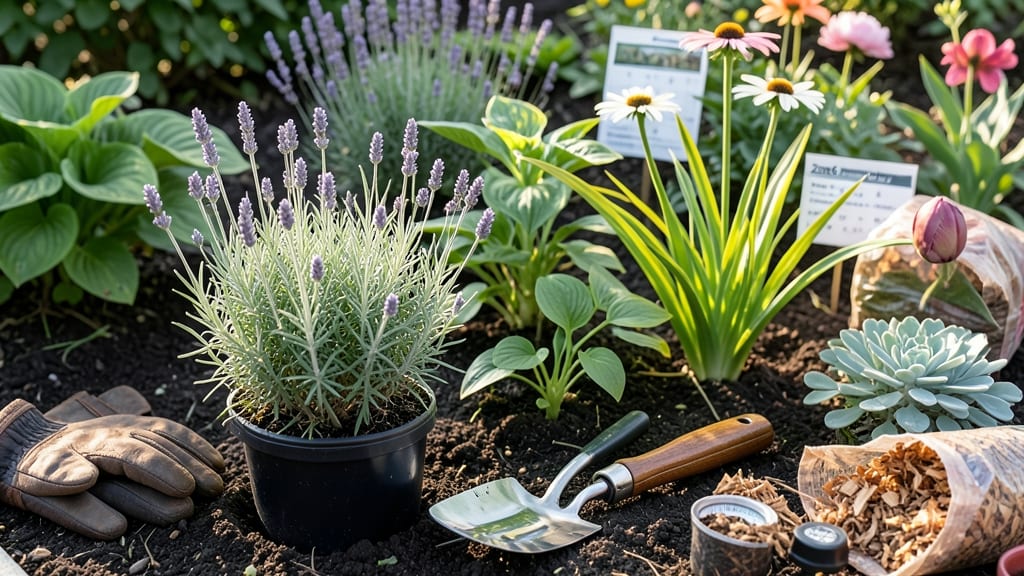
Zone 6 perennial planting timeline: exact frost dates by month
Timing is everything when planting perennials in Zone 6. The difference between a thriving garden and a frost-killed disaster often comes down to knowing your last frost date and soil temperature thresholds.
Most gardeners in Zone 6 aim for planting between late March and early June for spring, or September to October for fall. But let’s break it down month-by-month to avoid costly mistakes.
In Zone 6, the average last frost date falls around April 15, but this can vary by 1-2 weeks depending on your exact location. For example, areas like Chicago tend to warm up faster than Pittsburgh.
Always check your local USDA Plant Hardiness Zone Map and use a frost calendar from your county extension office for precision.
Soil temperature is just as critical as air temperature. Most perennials prefer soil that’s at least 60°F (15°C) before planting. Use a soil thermometer to monitor—cold soil can stunt root growth and invite rot.
For bare-root perennials, like hostas or daylilies, wait until the ground is workable, usually 2-3 weeks after your last frost.
Container-grown perennials offer more flexibility since they’re less sensitive to cold soil. You can plant these as early as mid-March in Zone 6, provided you protect them with frost cloth if nights dip below 32°F (0°C). This early start gives them a head start on root establishment before summer heat arrives.
| Month | Optimal Planting Window | Soil Temp Threshold | Notes |
|---|---|---|---|
| March | Late March (container-grown only) | 45-50°F (7-10°C) | Use frost cloth for protection. |
| April | After last frost (mid-April) | 50-60°F (10-15°C) | Ideal for hardy perennials like lavender. |
| May | Early to mid-May | 60°F+ (15°C+) | Best for heat-loving perennials like coneflowers. |
| September | Early September | 60-65°F (15-18°C) | Fall planting for cool-season perennials like hostas. |
| October | Early October (before first frost) | 50-55°F (10-13°C) | Avoid planting too late—roots need time to establish. |
Fall planting in Zone 6 is often overlooked but ideal for many perennials. Planting in September or early October gives roots time to establish before winter, resulting in stronger, more vigorous plants next spring. Focus on cool-season perennials like hostas, asters, and sedum, which thrive with this approach.
If you’re planting late-season bloomers, such as black-eyed Susans or Russian sage, aim for early June at the latest. These plants need time to establish roots before summer heat sets in.
Conversely, early bloomers like crocus or tulips can be planted in fall (October) for a spring show.
Microclimates play a huge role in Zone 6. A south-facing slope warms up faster than a north-facing garden bed, so adjust your planting timeline accordingly. For example, you might plant 2 weeks earlier in a sunny, sheltered spot than in a shady, low-lying area.
Always observe your garden’s unique conditions for personalized timing.
Pro tip: Use row covers or cold frames to extend your spring planting window by 2-3 weeks. This is especially useful for tender perennials like lavender or rosemary, which can’t tolerate frost. Just remove the covers once temperatures stabilize above 50°F (10°C).
Remember, the goal is root establishment, not just above-ground growth. Prioritize planting when your perennials can focus on developing a strong root system before facing summer heat or winter cold. With this timeline, your Zone 6 perennials will reward you with years of blooms and beauty.
Zone 6 perennial planting timeline: exact frost dates by month
In Zone 6, timing your perennial planting correctly means the difference between a thriving garden and wasted effort. The last frost date typically falls around April 15, but soil temperature is just as critical—wait until it reaches 60°F for optimal root establishment.
Fall planting is equally important, with September-October offering cooler soils and reduced transplant shock.
Spring planting should begin 2-4 weeks after your last frost date, giving tender roots time to establish before summer heat. For bare-root perennials, like hostas or peony roots, aim for early spring planting (March-April) when soil is workable but not soggy.
Container-grown plants, however, can handle slightly later transplanting (April-May) since their root systems are less vulnerable.
| Planting Window | Soil Temperature | Ideal Months | Key Considerations |
|---|---|---|---|
| Spring Planting | 60°F+ | Late March - Early June | Avoid frost risk; prioritize bare-root perennials first. |
| Fall Planting | 50°F-60°F | September - October | Cooler soils reduce transplant shock; ideal for dormant varieties. |
| Late Summer Backup | 60°F+ | August (if missed spring) | Use mulch to protect roots; water deeply post-planting. |
For early bloomers like crocus or bleeding heart, plant in fall (September) to ensure they establish roots before winter. Late-season perennials, such as black-eyed Susans or sedum, can tolerate spring planting up until June, but early planting gives them a head start for summer color.
Always check your local microclimate—valleys and low-lying areas may experience frost 2-3 weeks later than hilltops. Use a frost-free calculator or consult your Cooperative Extension Service for precise dates tailored to your county.
Pro tip: Mark your calendar for May 10 as a safe spring planting cutoff in most of Zone 6. After this date, focus on container gardening or shade-tolerant perennials to avoid heat stress.
Remember, perennials planted in fall often outperform spring-planted varieties because they establish roots in cool, moist soil—giving them a 30% stronger start by spring. The key is balancing soil warmth, moisture levels, and frost risk for each variety. 🌱