
Plants
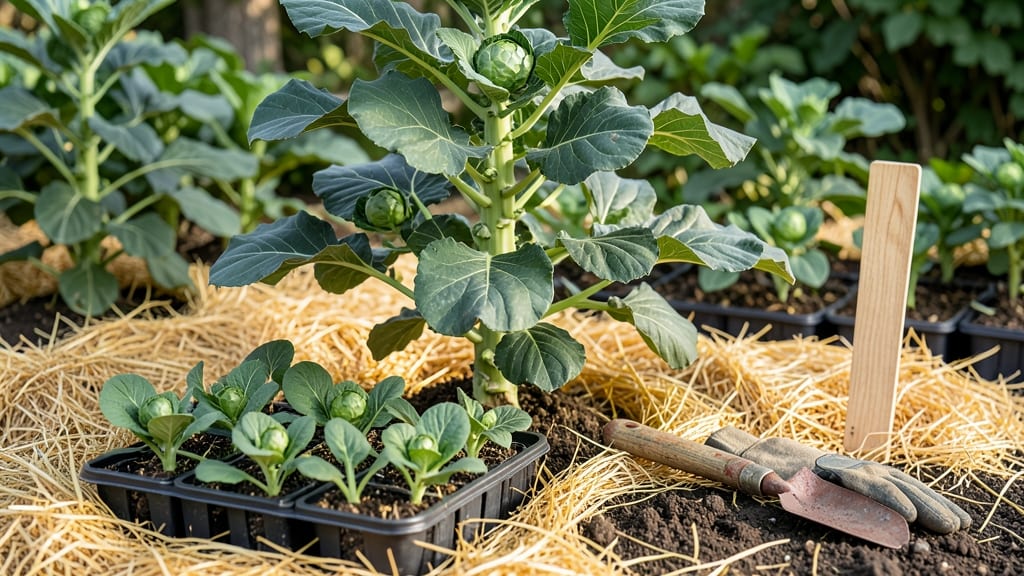
Timing your 🥦 Brussel sprouts planting in Colorado isn’t just about following a calendar—it’s about outsmarting the state’s unpredictable frost dates and elevation shifts. Plant too early, and a late snowstorm could wipe out your seedlings; wait too long, and your harvest might bolt before winter sets in.
Most Colorado gardeners know the basics—spring or fall—but the real secret lies in your USDA zone (like Denver’s 5b vs. Colorado Springs’ 6a) and whether you’re growing at 5,000 feet or 8,000+ feet.
A Front Range gardener’s ideal window (mid-March to early April) can leave high-plains growers scrambling if they don’t adjust for cooler temperatures.
Here’s what you need to know: the perfect planting window shifts with elevation, and fall transplants (late July to early August) can actually work better in some areas—if you time it right.
I’ll break down exactly when to plant for your specific zone, plus how to stretch your growing season with simple tricks that work in Colorado’s climate.
Ready to avoid the most common mistakes (like planting too close to frost or ignoring soil prep)? Let’s get your 🥦 Brussel sprouts thriving—no guesswork, just proven timing for your corner of Colorado.
Colorado’s ideal planting windows for Brussel sprouts by elevation Zone
Colorado’s diverse elevations—from Denver’s 5,280 feet to mountain regions above 8,000 feet—create wildly different planting windows for Brussel sprouts. At lower elevations like Fort Collins (5,000 ft), you’ll plant 2–3 weeks earlier than in Leadville (10,000 ft), where frosts linger longer.
The key? Match your last frost date and soil temperature (at least 40°F) to avoid stunted growth or frost damage.
For most Colorado gardeners, the best planting windows are mid-March to early April (spring) or late July to early August (fall). Spring plantings give you a fall harvest before hard frosts, while fall plantings mature over winter for early spring harvests.
However, high-altitude gardeners should adjust these timelines 1–2 weeks later to account for cooler soils.
Here’s how to align your planting with Colorado’s three major elevation zones:
| Elevation Zone | Last Frost Date | Spring Planting Window | Fall Planting Window | Key Adjustment |
|---|---|---|---|---|
| Front Range (5,000–7,000 ft) | April 1–15 | Mid-March to early April | Late July to early August | Plant early to avoid summer heat stress. |
| High Plains (6,000–8,000 ft) | April 15–May 1 | Late March to mid-April | Early August to mid-August | Use row covers for early/late frosts. |
| Mountain Regions (8,000+ ft) | May 1–15 | Late April to early May | Mid-August to early September | Start indoors 6–8 weeks before last frost. |
Colorado’s short growing season demands precision. For example, in Denver (Zone 5b), planting Brussel sprouts in late March gives you a 90-day harvest window before the first frost in mid-October.
But in Grand Junction (Zone 6a), you can push spring plantings to early April thanks to warmer soils and later frosts.
If you’re in a high-altitude zone, consider late-summer transplanting (August) to avoid bolting. Young plants handle cooler soils better than mature ones, and a lightweight row cover can buy you 2–3 extra weeks of growth before winter sets in.
For fall plantings, aim to transplant 8–10 weeks before the first frost. In Colorado Springs (Zone 6a), that means early August plantings for a late October harvest.
Use cold-hardy varieties like Long Island Improved or Jade Cross, which tolerate light frosts (25°F) without turning bitter.
Pro tip: Check your local CoCoRaHS station for microclimate data. Urban areas like Aurora can be 5–10°F warmer than rural Weld County, delaying frost dates by 1–2 weeks. Adjust your planting timeline accordingly to maximize your harvest.
Remember, soil temperature matters more than air temperature. Use a soil thermometer to confirm 40°F+ before planting—cold soils delay germination and stunt root growth. If your soil is still chilly, wait 1–2 weeks or use black plastic mulch to warm it faster.
Timing your Brussel sprout planting right in Colorado isn’t just about avoiding frost—it’s about optimizing flavor and yield. Plant too early, and you risk bolting (premature flowering) in summer heat.
Plant too late, and your harvest shrinks before winter. Get it right, and you’ll enjoy sweet, tender sprouts straight from your garden—even in Colorado’s unpredictable climate! 🥦
Colorado’s ideal planting windows for Brussel sprouts by elevation Zone
Colorado’s diverse elevations create unique planting challenges for Brussel sprouts. Unlike flat regions, your last frost dates shift dramatically—from April 15 in Denver (5,280 ft) to June 1 in mountain towns like Leadville (10,152 ft). This means timing your spring and fall plantings requires local knowledge.
For Front Range gardeners (Denver, Colorado Springs), aim for mid-March to early April for spring starts, giving plants 90–100 days to mature before first frost. In high plains areas (Fort Collins, Greeley), push planting to late March to mid-April due to later frost risks.
🌱
Fall planting is equally critical—sow Brussel sprouts 8–10 weeks before your first frost. In Denver (Zone 5b), this means late July to early August, while mountain regions (Zone 4) should start by mid-August to avoid bolting from heat stress.
For high-altitude gardeners, consider late-summer transplants (August) of young plants from lowland nurseries. This extends your growing window but requires protection from late frosts using row covers or cold frames.
Always check your local USDA zone—Colorado’s Zone 4 (high mountains) to Zone 7 (southern valleys) range creates 30+ day differences in frost-free periods. Use Almanac frost calculators for precise dates.
☀️