
How To
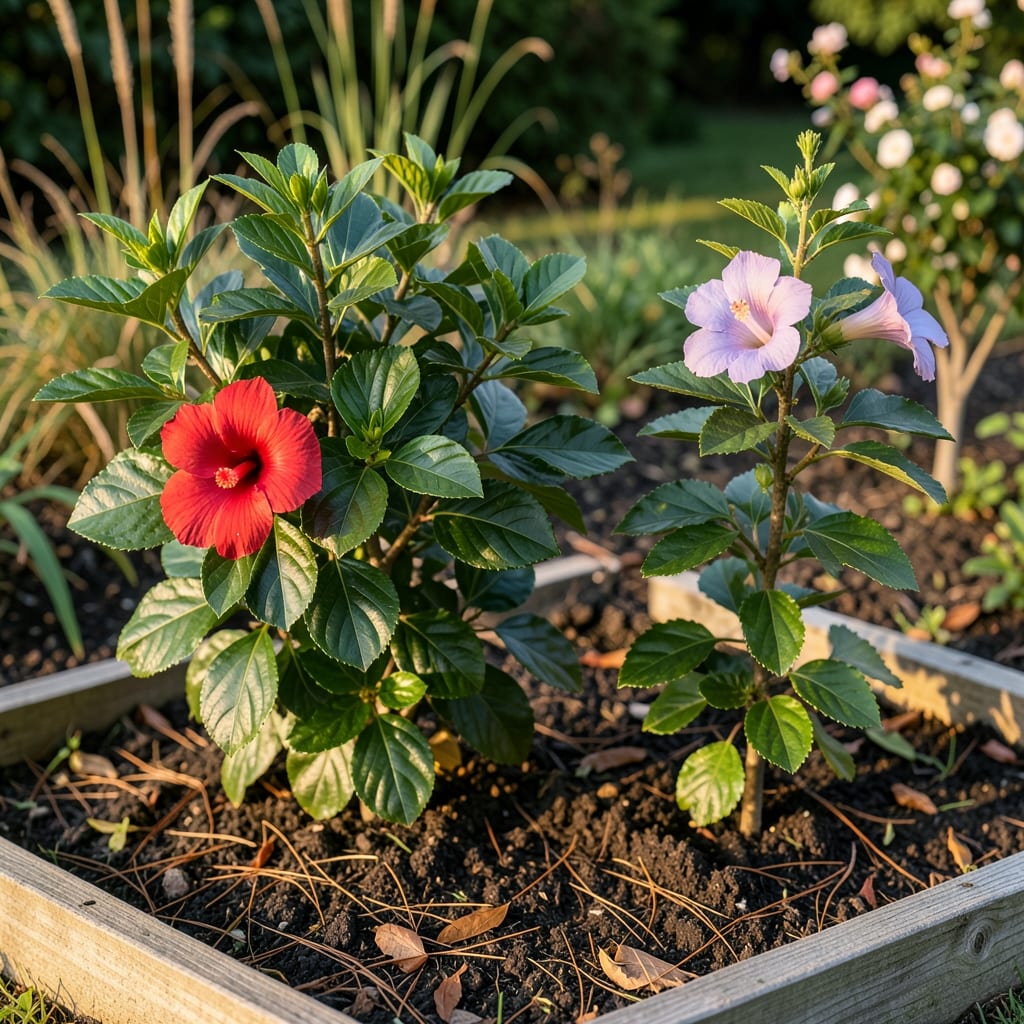
Curious about hibiscus—how tall do they grow? The answer depends entirely on the variety you choose, with some reaching towering heights while others stay perfectly compact for small gardens.
From the dwarf varieties that top out at just 3-5 feet to the tropical giants that can soar to 15 feet or more, hibiscus plants offer something for every space. Whether you're dreaming of a dramatic hedge or a charming container plant, understanding these height differences is the first step to picking the perfect hibiscus for your needs.
What you might not realize is that factors like pruning, sunlight exposure, and even your climate zone can dramatically influence how tall your hibiscus grows. We'll break down exactly how to control its size and which varieties thrive best in different growing conditions.
Let's explore the stunning range of hibiscus heights and discover how to create the perfect plant for your outdoor space—whether you have a sprawling backyard or just a cozy balcony to work with.


Hibiscus height ranges by major variety types
Hibiscus plants span an impressive height spectrum, from dwarf varieties perfect for containers to towering tropical trees that dominate landscapes. The key to choosing the right hibiscus for your space starts with understanding these major categories and their mature sizes.
For example, tropical hibiscus (Hibiscus rosa-sinensis) typically grows 8-15 feet tall in ideal conditions, while hardy hibiscus (Hibiscus syriacus) usually reaches 6-10 feet. Even within these groups, growth habits vary—some grow as shrubs with multiple stems, while others develop into single-trunk trees.
Here's how the most popular hibiscus varieties compare in terms of height and growth habits:
Notice how tropical hibiscus tend to grow taller when given ideal conditions—think full sun, warm climates, and regular pruning. Meanwhile, hardy hibiscus varieties like Hibiscus syriacus are more adaptable to cooler climates and often stay slightly shorter unless heavily fertilized.
The dwarf varieties are my personal favorites for small spaces—they offer all the beauty of hibiscus without the maintenance of a towering plant. For instance, the 'Lima Red' variety stays under 4 feet tall while producing vibrant blooms all season long.
When planning your garden layout, consider not just the mature height but also the spread of each variety. Some hibiscus can grow 6-10 feet wide, so you'll want to leave ample space between plants to prevent overcrowding and improve airflow.
For example, if you're creating a hibiscus hedge, you'll want varieties that grow 6-10 feet tall and can be pruned to maintain a uniform height. On the other hand, if you're working with container gardening, dwarf varieties are the clear winners.
One common misconception is that all hibiscus grow into large trees. In reality, with proper pruning techniques and container limitations, you can keep even the tallest varieties manageable. We'll explore these control methods in the next section.
🌸
Hibiscus height ranges by major variety types
When planning your garden, knowing hibiscus height ranges helps you choose the perfect variety. Tropical hibiscus like Hibiscus rosa-sinensis often grow as 6-15 foot shrubs or small trees, while hardy hibiscus such as Hibiscus syriacus (rose of Sharon) typically reach 8-12 feet. Dwarf varieties, however, stay between 3-5 feet, making them ideal for containers or small spaces.
Understanding these differences ensures you select a hibiscus that fits your landscape design. For example, a 10-foot hedge requires more space than a 4-foot patio plant. Let’s explore the key varieties and their mature heights to help you make an informed decision.
| Variety | Mature Height | Growth Habit | Best For |
|---|---|---|---|
| Tropical Hibiscus (H. rosa-sinensis) | 6–15 ft | Shrub or small tree | Landscaping, tropical gardens |
| Hardy Hibiscus (H. syriacus) | 8–12 ft | Upright shrub | Hedges, borders, cold climates |
| Dwarf Hibiscus (H. rosa-sinensis 'Lil' Kim') | 3–5 ft | Compact shrub | Containers, patios, small gardens |
| Swamp Hibiscus (H. moscheutos) | 4–6 ft | Clumping shrub | Wetland gardens, borders |
For example, the Hibiscus rosa-sinensis can grow into a tall, woody shrub if left unpruned, while the Hibiscus syriacus is often pruned to maintain a neat, hedge-like appearance. Dwarf varieties like 'Lil' Kim' are perfect for container gardening or adding color to balconies without overwhelming the space.
If you’re aiming for a privacy screen, a 10-12 foot hibiscus planted in a row will create a lush, flowering barrier. Meanwhile, a 3-5 foot dwarf hibiscus can serve as a focal point in a small garden bed or mixed planter.
Choosing the right variety isn’t just about height—it’s also about climate suitability and maintenance needs. Tropical hibiscus thrive in USDA zones 9-11 and need winter protection in colder areas, while hardy hibiscus can survive down to zone 5 with minimal care.
Now that you know the height ranges, let’s explore how to control hibiscus growth and keep it at your desired size—whether that’s a tall specimen plant or a compact container beauty. 🌿