
Flowers
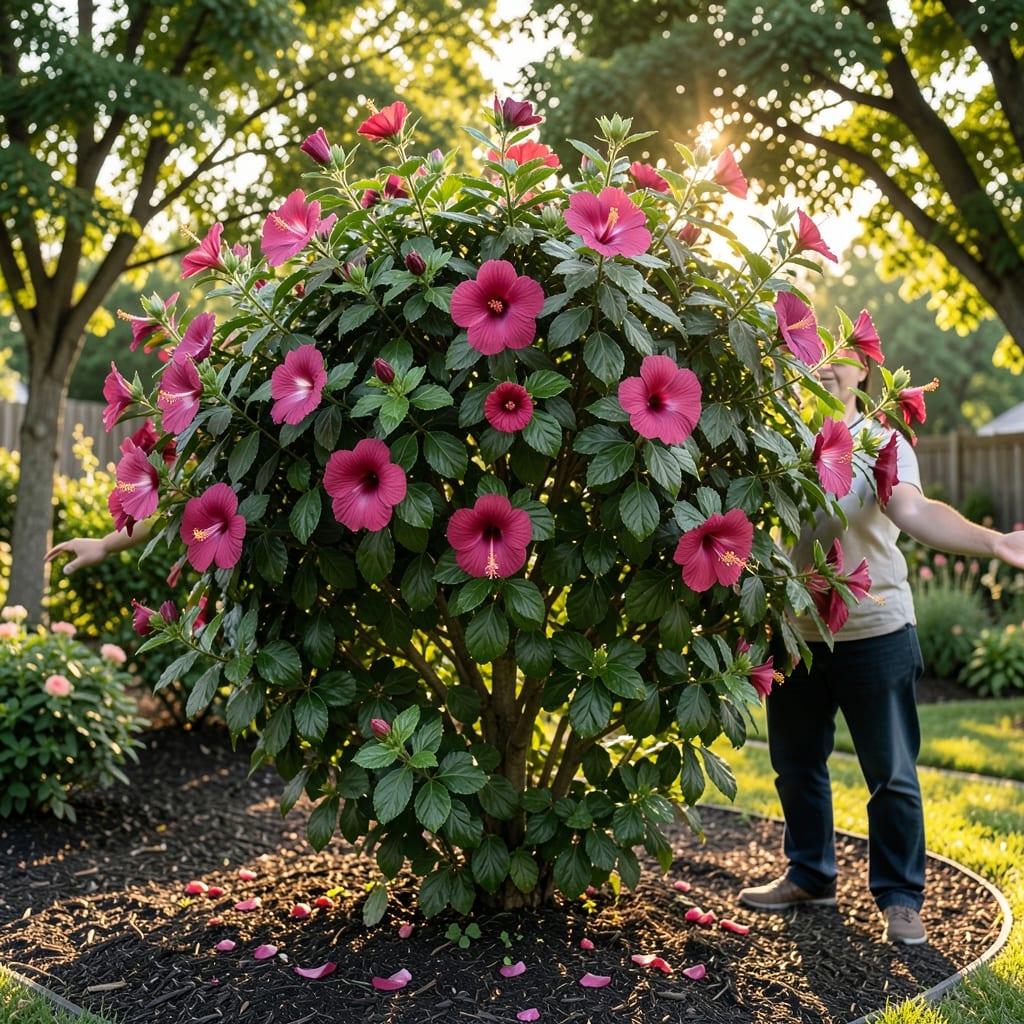
If you've ever dreamed of a hibiscus reaching for the sky like a tropical giant, you're in for a surprise—how tall can hibiscus grow depends entirely on the variety you choose. Some stay compact enough for containers, while others stretch toward 15 feet, turning your garden into a living watercolor. Whether you're in USDA Zone 6a or a warmer climate, understanding these growth limits helps you pick the perfect hibiscus for your space.
The difference between a dwarf hibiscus (just 3-5 feet) and a towering tropical variety (up to 15 feet) can change how you plan your garden. Hardy hibiscus, like Hibiscus syriacus, typically max out around 8-10 feet, making them ideal for small yards, while tropical hibiscus (Hibiscus rosa-sinensis) can dominate landscapes with their dramatic height. Knowing these ranges helps you avoid surprises when your hibiscus starts reaching for the trellis.
Climate plays a huge role in how tall your hibiscus will grow—warmer zones encourage faster, taller growth, while cooler areas may keep plants shorter unless you take extra care. Pruning, soil quality, and sunlight exposure all influence height, too. For example, a hibiscus in full sun with rich soil can grow 2-3 feet per year, while one in partial shade might stay more manageable. Let’s break down how to control—or encourage—your hibiscus’s skyward ambitions.
Ready to turn your garden into a hibiscus haven? Whether you want a compact bush or a towering centerpiece, the right variety and care will get you there. I’ll show you how to pick the perfect hibiscus for your space and keep it thriving—no matter how tall you want it to grow.


Hibiscus height by variety: dwarf to giant growth ranges
Your hibiscus’s height depends entirely on its variety. Tropical hibiscus (Hibiscus rosa-sinensis) can stretch toward the sky, while hardy hibiscus (Hibiscus syriacus) stays more manageable. Even within these categories, dwarf varieties exist that thrive in containers or small gardens. Let’s break down the height ranges you can expect from popular hibiscus types.
For tropical hibiscus, expect dramatic growth—some varieties reach 10 to 15 feet tall when grown in ideal conditions. These are the showstoppers of the garden, often needing trellises or sturdy supports. In contrast, hardy hibiscus typically maxes out at 6 to 12 feet, making them more adaptable to cooler climates like USDA zones 5-9.
Dwarf hibiscus varieties are the compact champions of the group, perfect for patios or windowsills. These stay between 3 to 5 feet tall, ideal for container gardening or small spaces. Even semi-dwarf varieties, which grow 5 to 8 feet, offer a balanced option for gardeners who want height without overwhelming their landscape.
Here’s how these varieties compare at maturity, along with care tips to help you manage their growth:
| Variety | Mature Height | Growth Rate | Best For |
|---|---|---|---|
| Tropical Hibiscus (Hibiscus rosa-sinensis) | 10–15 ft | Fast (3–5 ft/year) | Trellises, large gardens, tropical climates |
| Hardy Hibiscus (Hibiscus syriacus) | 6–12 ft | Moderate (2–4 ft/year) | Perennial borders, cooler zones (5–9) |
| Dwarf Hibiscus (e.g., 'Lima' series) | 3–5 ft | Slow (1–2 ft/year) | Containers, patios, small gardens |
| Semi-Dwarf Hibiscus (e.g., 'Helene') | 5–8 ft | Moderate (2–3 ft/year) | Medium gardens, trellis training |
If you’re growing tropical hibiscus in USDA zones 10–11, you’ll see the most dramatic height gains. These plants thrive year-round and can grow up to 5 feet per year if given ideal conditions—think full sun, rich soil, and regular watering. In contrast, hardy hibiscus in zones 5–9 will grow more slowly, often reaching maturity in 3–5 years.
For container-grown hibiscus, dwarf varieties are your best bet. These stay under 5 feet tall, making them perfect for balconies or small yards. Just ensure your pot is at least 12–18 inches deep to accommodate root growth. Overcrowded roots will stunt height, so plan for repotting every 2–3 years as your hibiscus matures.
Pruning plays a huge role in controlling height. For tropical hibiscus, I recommend light pruning in late winter to shape the plant and encourage bushier growth. Hardy hibiscus benefits from annual pruning after flowering to remove dead wood and promote new shoots. Never prune more than one-third of the plant at once, or you’ll risk stunting its growth entirely.
Soil quality also impacts height. Hibiscus loves well-draining, slightly acidic soil (pH 6.0–7.0). Amend heavy clay soil with compost or sand to prevent root rot, which can weaken the plant and limit its height potential. A slow-release fertilizer applied in spring will give your hibiscus the nutrients it needs to reach its full height.
🌿
Climate zones that determine hibiscus growth limits
Your hibiscus’s height potential isn’t just about the variety—climate zones play a massive role in how tall it can grow. In USDA Zones 7-11, tropical hibiscus thrive, reaching their full 10-15 foot height, while hardy hibiscus in cooler Zones 5-6 often max out at 6-8 feet. The difference? Winter hardiness and seasonal growth spurts. Let’s break down how your zone affects your hibiscus’s skyward ambitions.
In Zones 10-11, hibiscus grow like they’re on a tropical vacation, with minimal winter stress. These conditions let them hit 12-15 feet in just a few years, especially with rich soil and full sun. Meanwhile, in Zones 7-9, hibiscus still grow tall but may need winter protection to avoid dieback, capping their height at 8-12 feet. Cooler zones like 5-6 slow growth significantly, often keeping hardy varieties under 6 feet unless you take extra care.
🌱 Visual Growth Guide:
In warmer zones, hibiscus grow 2-3 feet per year with minimal effort, while cooler zones require pruning and protection to reach even half that height. For example, a tropical hibiscus in Zone 11 might hit 12 feet in 3 years, but the same plant in Zone 8 could take 5 years to reach 8 feet without winter care. The key? Prune in late winter to remove dead wood and encourage new growth, and mulch heavily in cooler zones to insulate roots.
If you’re in Zone 7 or below, choose hardy hibiscus varieties like Hibiscus syriacus, which naturally stay shorter and handle frost better. In Zones 8-11, tropical varieties like Hibiscus rosa-sinensis will reward you with dramatic height—but be prepared to stake or trellis them as they grow. Without support, a 12-foot hibiscus can flop over under its own weight, ruining its show-stopping blooms.
🌿 Pro Tip: In cooler zones, plant hibiscus near south-facing walls to absorb reflected heat and extend the growing season. This simple trick can add 1-2 extra feet to your hibiscus’s height by keeping roots warmer. Pair this with regular fertilization in spring and summer, and you’ll see faster vertical growth—even in less-than-ideal climates.
No matter your zone, understanding these growth limits helps you set realistic expectations. With the right variety and care, your hibiscus can become the towering star of your garden—or stay perfectly compact for containers. The choice is yours, and the height is in your hands!