
Light Requirements
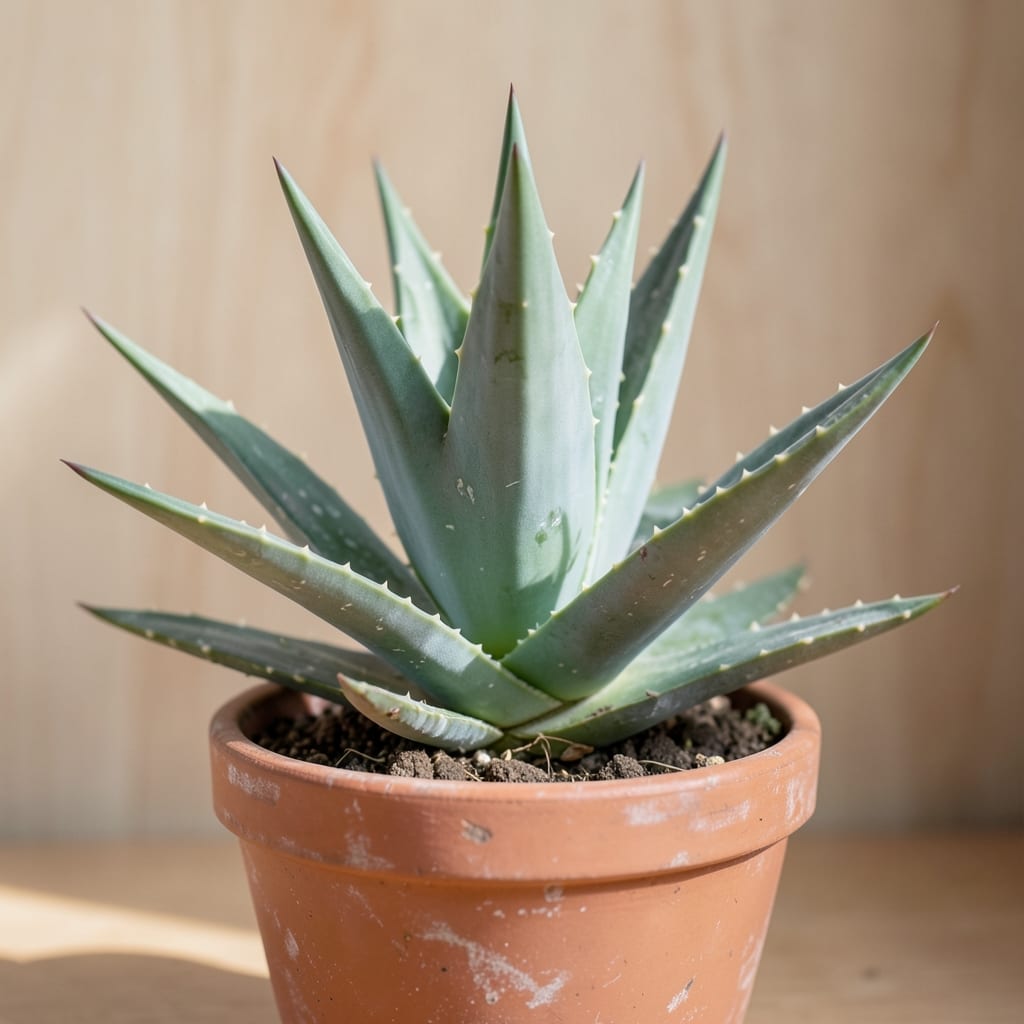
Wondering how much light does an aloe plant need to stay happy and healthy? If your 🌱 friend is looking a little sad or leggy, the answer might be right in front of you—literally. Aloe plants are sun worshippers, but they’re not fans of scorching afternoon rays that can turn their leaves crispy.
Most aloe varieties thrive with 6 to 8 hours of bright, indirect sunlight daily, making a south-facing window their dream spot. But here’s the catch: too little light, and they’ll stretch toward the sun like a sleepy cat; too much, and you’ll notice brown patches or sunburned tips. The key is balance—think of it as giving your aloe a golden tan, not a sunburn.
Whether you’re growing yours indoors or outdoors, I’ll show you how to spot the signs of light love (or light trouble) and adjust your setup for optimal growth. From picking the perfect window to supplementing with grow lights, we’ll cover all the tricks to keep your aloe lush and vibrant year-round.
Ready to turn your aloe into a thriving green machine? Let’s dive into the sunlight secrets that’ll have your plant looking its best—no guesswork required.

Ideal light requirements for aloe vera: sunlight spectrum breakdown
Aloe plants are sun worshippers at heart! They crave bright, direct sunlight to thrive, but striking the perfect balance is key. Too little light, and your aloe will stretch awkwardly toward the nearest window. Too much, and those gorgeous leaves can develop unsightly sunburn marks. Let's break down the ideal light conditions for your aloe vera to flourish.
Outdoors, aloe plants love 6-8 hours of direct sunlight daily. This means placing them in a spot where they get morning sun and afternoon shade during peak summer heat. If you're in a hot, arid climate, they can handle more sun—up to full sun exposure all day long. The key is observing your plant's reaction to its environment.
Indoors, the challenge shifts to finding the brightest window in your home. South-facing windows are ideal because they provide the most consistent light throughout the day. East-facing windows work too, but your aloe might stretch toward the light if it doesn't get enough intensity. Avoid north-facing windows—they're usually too dim for aloe's needs.
Here's a quick breakdown of what your aloe needs based on its location:
| Location | Ideal Light Conditions | Daily Sunlight Needs | Best Window Placement |
|---|---|---|---|
| Outdoors | Full sun to partial shade | 6-8 hours direct sunlight | South or west-facing spot |
| Indoors | Bright, indirect to direct light | 4-6 hours bright light | South-facing window |
| Low-light indoor | Grow lights required | 12-14 hours artificial light | Near grow lights or sunny window |
Seasonal changes also affect your aloe's light needs. During summer months, when the sun is intense, you might notice your aloe developing a slight red or brown tint on its leaves. This is normal and indicates it's getting plenty of light. However, if the leaves start looking bleached or crispy, it's time to move it to a slightly shadier spot for a few hours each day.
In winter, when natural light is scarce, your aloe might start stretching toward the light or growing more slowly. This is its way of telling you it needs more brightness. If you notice these signs, consider supplementing with a grow light or moving the plant closer to the window. Even a few extra inches can make a big difference in your aloe's happiness.
Pro tip: Rotate your aloe plant quarter-turns every few weeks to ensure all sides get equal light exposure. This prevents your aloe from leaning toward one direction and keeps it growing straight and sturdy. Think of it as giving your plant a little sunbathing vacation on all sides!
Remember, aloe plants are drought-tolerant but not heat-tolerant in the sense of extreme sun exposure. The right amount of light will keep your aloe's leaves thick, vibrant, and full of that signature gel. When in doubt, observe your plant—it will tell you what it needs through its growth patterns and leaf condition.
Now that you understand the ideal light spectrum, let's talk about what happens when your aloe isn't getting the right amount of light—or too much of it. Stay tuned to learn how to spot these issues early and correct them before they become serious problems.
Signs your aloe plant isn’t getting enough (or too much) light
Your aloe plant speaks volumes through its leaves—literally! If it’s not getting the right amount of light, you’ll notice clear visual cues that act as a red flag. The most common sign of underlighting is when your aloe starts stretching unnaturally toward the nearest light source. This phenomenon, called etiolation, results in long, leggy stems and sparse leaves. Think of it as your plant reaching for a hug from the sun!
Another dead giveaway is pale, washed-out leaves that lose their vibrant green color. When aloe plants don’t get enough light, they can’t produce enough chlorophyll, leading to a dull, almost yellowish appearance. Even the leaf edges may turn brown or crispy in severe cases, though this can also happen with overwatering—so always check the soil first!
🌱 Pro Tip: If your aloe’s leaves are growing closer together with smaller gaps between them, it’s another sign of light deprivation. Healthy aloe leaves should have noticeable spacing, almost like little rosettes hugging the stem.
Too much direct sunlight can cause sunburn, which looks like white or brown patches on the leaves. These spots are dry and crispy to the touch, almost like paper. If you notice this, move your aloe to a spot with morning sun and afternoon shade immediately. In extreme cases, severe sunburn can kill the leaf tissue.
On the flip side, if your aloe is getting too much light, you’ll see bleached or translucent patches on the leaves. These areas lose their green pigment and may even develop a reddish or purplish tint as a protective response. Unlike sunburn, which is localized, this discoloration often appears across larger sections of the leaf.
Here’s a quick diagnostic