
Companion Plants
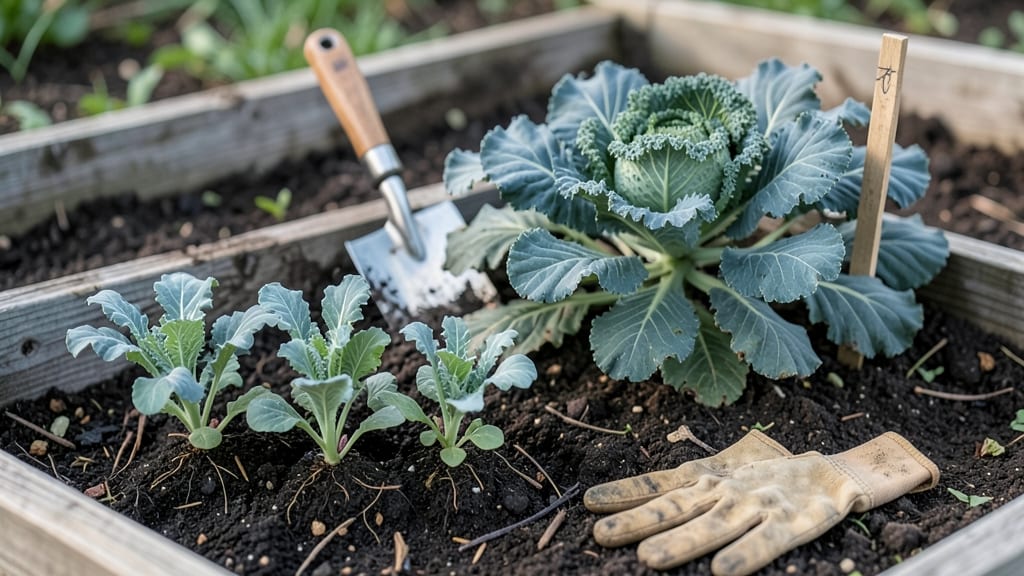
Timing your brassicas 🥬 planting perfectly in Pennsylvania isn’t just about luck—it’s the difference between a thriving garden and wasted effort. If you’ve ever stared at seed packets wondering, "when to plant brassicas in PA" while the calendar flips from March to April, you’re not alone.
Pennsylvania’s 5b-7a zones create a tight window where brassicas like broccoli and kale can flourish, but get it wrong, and frost or heat will ruin your harvest. The key? Planting 4-6 weeks before your last frost date—typically by mid-April—or late summer for a fall crop, when temperatures stay mild.
I’ll break down the exact dates, soil prep tips, and how to adjust for PA’s unpredictable weather. No more guessing—just a foolproof plan to grow your best brassicas yet.
Let’s dive into the strategies that actually work for your garden’s climate, so you can enjoy homegrown greens from spring to fall.
PA brassica planting calendar by hardiness Zone: exact dates for fall & spring success
Pennsylvania’s USDA hardiness zones 5a-7b create unique challenges for growing brassicas like broccoli, cabbage, and kale. The key to success? Planting at the right time to avoid early spring frosts or summer bolting.
I’ve broken down the exact windows for both spring and fall planting based on your zone.
For spring brassicas, aim to plant 4-6 weeks before your last frost date. In Zone 5a (e.g., Erie), this means mid-March to early April. In Zone 7b (e.g., Philadelphia), you can start as late as late March to early April.
Fall planting follows a similar logic but works backward from your first frost date.
Here’s the critical visual guide to help you plan:
| Zone | Spring Planting Window | Fall Planting Window | Seed Starting Indoors |
|---|---|---|---|
| 5a (Erie, State College) | Mid-March to early April | Late July to early August | Early March (8-10 weeks before last frost) |
| 6a (Pittsburgh, Harrisburg) | Early April to mid-April | Early August to mid-August | Late February (8-10 weeks before last frost) |
| 7a (Lancaster, Reading) | Late March to early April | Mid-August to early September | Early March (8-10 weeks before last frost) |
| 7b (Philadelphia, Allentown) | Late March to early April | Late August to early September | Late February (8-10 weeks before last frost) |
📅 Pro Tip: Use row covers for 2-3 weeks after transplanting to protect seedlings from late frosts.
If you’re starting seeds indoors, begin 8-10 weeks before your last frost date. For Zone 5a, this means early March, while Zone 7b gardeners can start as late as late February.
Use grow lights to prevent leggy seedlings, and harden them off for 7-10 days before transplanting.
For fall brassicas, the goal is to harvest before hard frosts. In Zone 5a, plant late July to early August for a harvest by October.
In Zone 7b, you can extend this to early September for a November harvest. Choose cold-hardy varieties like 'Winterbor' kale or 'Presto Purple' broccoli for best results.
Don’t forget to amend your soil with compost or aged manure before planting. Brassicas thrive in well-draining, slightly acidic soil (pH 6.0-7.0). Add a 2-inch layer of mulch after planting to retain moisture and suppress weeds—critical during Pennsylvania’s hot, dry summers.
For successful transplants, wait until soil temperatures reach 45°F (7°C). Use drip irrigation to keep roots moist, and avoid overhead watering to prevent disease. If your last frost date is unpredictable, check the PA State Climate Office for localized forecasts.
With these zone-specific dates and a little planning, you’ll enjoy homegrown brassicas from spring through fall. Next, we’ll cover how to adjust for PA’s unpredictable weather—like sudden frost or heatwaves—to protect your crops.
How to adjust brassica planting dates for PA’s unpredictable weather patterns
Pennsylvania’s weather can be as unpredictable as a toddler’s mood—one day warm sunshine, the next a surprise frost. To protect your brassicas from late-spring freezes or early fall chills, I’ve learned to play it smart with season extension tactics.
Start seeds indoors 4-6 weeks before your last frost date (typically mid-April), but keep them near a sunny window or under grow lights until soil temps hit 40°F.
For fall brassicas, aim to transplant seedlings 8-10 weeks before your first frost (around early October in most of PA). Use frost cloth or low tunnels to buy extra time if temperatures dip unexpectedly.
I’ve had kale survive light frosts, but broccoli and cabbage need protection when temps drop below 25°F.
If you’re in Zone 5b-6a (western PA), you’ll have a slightly longer growing season than Zone 7a (southeastern PA). Use this to your advantage by planting successive crops every 2 weeks from spring through early summer.
For example, sow turnip greens in late May for a harvest before summer heat sets in.
Another trick? Plant heat-tolerant varieties like ‘De Cicco’ broccoli or ‘Red Russian’ kale in late summer for a fall harvest. These varieties handle warmer soils better than traditional spring crops. Just remember: water deeply during heatwaves to prevent bolting.
For urban gardeners or those with limited space, consider container growing. Brassicas thrive in 5-gallon pots with proper drainage. Move containers to shadier spots during peak summer heat (100°F+ soil temps stress roots) and bring them indoors if a hard freeze is forecasted.
Finally, keep a planting journal to track what works in your microclimate. Note when you planted, how quickly seeds germinated, and any pest outbreaks tied to weather shifts. Over time, you’ll refine your schedule to outsmart PA’s unpredictable growing conditions.