Plants
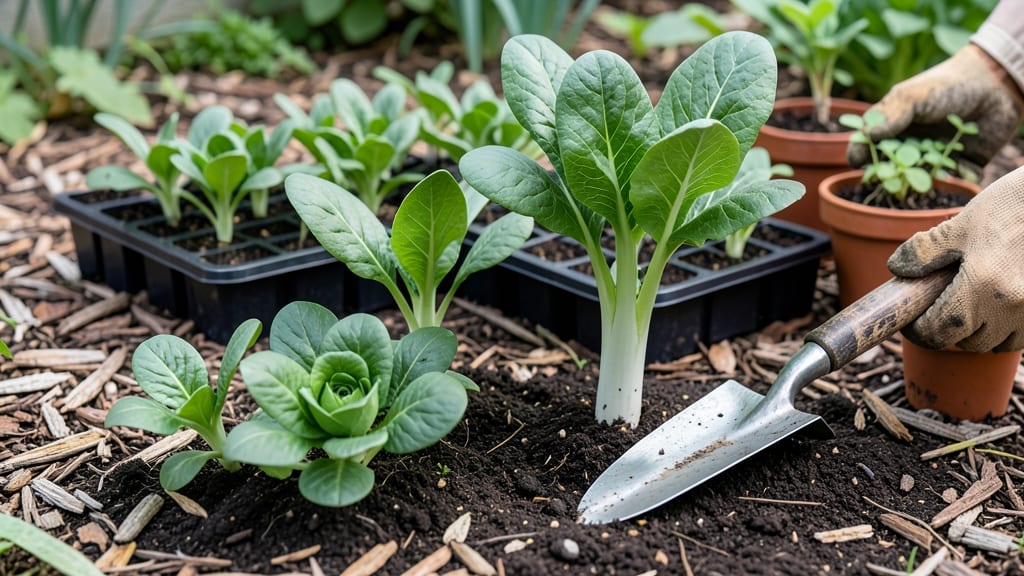
Optimal bok choy planting dates in Zone 9 for maximum yield
In Zone 9, where summer temperatures can push 100°F+, timing your bok choy planting is everything. The sweet spot? Mid-September through early November—when daytime highs drop to 75-85°F and nights cool to 60°F.
This window avoids the heat stress that triggers bolting (flowering too soon) while giving plants 4-6 weeks to mature before winter slows growth.
For a second harvest, plant again in January—just as temperatures begin rising. Bok choy thrives in cool weather and can even tolerate light freezes (28-32°F), though growth slows below 50°F. The key is to start seeds indoors 3-4 weeks before transplanting outdoors to jumpstart growth.
Here’s the golden rule: Never plant bok choy in summer (June-August) in Zone 9. The intense heat causes bitter flavors and rapid bolting, ruining your harvest. Instead, use shade cloth if you must plant in late spring, but fall is your best bet for tender, sweet greens.
🌱
🥬 Bok Choy Planting & Harvest Timeline for Zone 9
| Planting Window | Ideal Soil Temp | Days to Harvest | Harvest Months | Key Notes |
|---|---|---|---|---|
| Mid-September | 60-75°F | 30-40 days | October-November | Best for first harvest; avoid bolting |
| Early October | 55-70°F | 35-45 days | November-December | Slower growth; protect from cold snaps |
| January | 50-65°F | 40-50 days | February-March | Second harvest; use row covers |
| Late March | 60-70°F | 30-35 days | April | Spring planting; watch for heat stress |
🌡️ Pro Tip: Use a soil thermometer to confirm temps are 55°F+ before planting.
To maximize your fall harvest, stagger plantings every 2-3 weeks from September through November. This succession planting ensures a steady supply of baby bok choy (harvest at 6-8 inches) and full-sized heads.
For example, plant half your seeds in mid-September and the rest in early October—this way, you’ll have greens ready through December.
If you’re aiming for a spring harvest, start seeds indoors in late February and transplant outdoors in March, but be prepared to provide afternoon shade as temperatures rise. Bok choy is fast-growing—ready in just 30-40 days—so don’t let summer heat sneak up on you!
For Zone 9 gardeners, the late summer prep is just as critical as planting dates. Amend your soil with compost in August to improve drainage and fertility. Bok choy prefers loamy, well-draining soil with a pH of 6.0-7.0.
If your soil is sandy or clay-heavy, mix in 2-3 inches of compost or aged manure to create the ideal growing medium.
💧
One common mistake in Zone 9 is overwatering during fall’s unpredictable rains. Bok choy needs consistent moisture but hates soggy roots.
Water deeply every 2-3 days (or daily in 100°F+ heat), focusing on the base of the plant to avoid wetting the leaves—this prevents fungal diseases like downy mildew. Mulch with straw or shredded leaves to retain moisture and keep roots cool.
Finally, choose the right varieties for Zone 9’s climate. Toy Choy and Baby Bok Choy are heat-tolerant and bolt-resistant, while Joi Choi handles cooler fall temperatures well. Avoid large heading varieties like Napa Bok Choy for summer planting—they’re better suited for spring or fall.
5 Key factors that determine bok choy’s fall success in Zone 9
When planting bok choy in Zone 9, five critical factors can make or break your harvest. Let’s break down what truly matters for fall success, starting with the most impactful: soil temperature.
Bok choy thrives when soil stays between 60°F and 75°F—any hotter, and you’ll trigger bolting (premature flowering). In Zone 9, this means avoiding late-summer heat by planting no earlier than mid-August.
Next, daylight hours play a surprising role. Bok choy grows fastest with 12-14 hours of daylight, but in Zone 9’s fall months, days shorten rapidly.
Planting in September-October ensures your greens mature before daylight drops below 10 hours, stunting growth. Use a grow light if extending harvests into winter.
Spacing is often overlooked but critical. Bok choy needs 6–12 inches between plants to prevent crowding, which leads to bitter, tough leaves. In containers, space them 4–6 inches apart—just don’t let them compete for nutrients. I’ve seen gardeners double their yield by thinning seedlings early, so don’t skip this step!
Since Zone 9 rarely freezes, frost isn’t your enemy—it’s your ally. A light frost (28–32°F) actually sweetens bok choy’s flavor, much like spinach. Use floating row covers to protect plants if temperatures dip below 25°F, but otherwise, embrace the chill.
Winter harvests in December are sweeter and more tender than summer’s bolting attempts.
Finally, companion planting can extend your harvest by 30–50%. Bok choy pairs well with bush beans (which add nitrogen to the soil) and nasturtiums (which repel aphids). Avoid planting near tomatoes or peppers, as they compete for the same nutrients and attract similar pests.
I’ve had my best fall crops by interplanting bok choy with radishes—they mature quickly and mark where to thin the bok choy.
Master these five factors, and you’ll go from frustrated summer failures to consistent fall harvests. Start with soil temp, time your planting for September’s cooler days, and let companion plants work their magic. Your taste buds—and your dinner table—will thank you. 🥬