Plants
Zone 8 frost-free window for planting english peas: exact dates & climate factors
English peas (Pisum sativum) thrive in Zone 8's mild winters, but timing your planting is critical to avoid late frosts or summer heat stress.
The frost-free window in Zone 8 spans roughly 240 days, but exact dates vary between Zone 8a (15°F) and Zone 8b (20°F) sub-regions.
For spring planting, aim to sow seeds 4-6 weeks before your last frost date—typically between mid-February and early March in most of Zone 8. Coastal areas may push this slightly earlier, while inland regions should wait until mid-March to avoid unexpected cold snaps.
The first frost usually arrives around mid-November, but fall planting offers a second chance for early spring harvests. Sow seeds in late September to early October to establish roots before winter, with vines emerging as temperatures warm in February.
Microclimates matter—valleys retain cold air longer, while slopes and urban areas warm faster. Check your local USDA Plant Hardiness Map and use a frost calendar from nearby weather stations for precise timing.
Here’s how to calculate your personalized planting window:
| Zone 8 Type | Last Frost Date | First Frost Date | Spring Planting Window | Fall Planting Window |
|---|---|---|---|---|
| Zone 8a (15°F) | January 15 | November 15 | Mid-February to March 15 | September 15 to October 10 |
| Zone 8b (20°F) | February 1 | December 1 | Late January to February 28 | September 1 to October 1 |
| Coastal Zone 8 | January 31 | November 30 | Late January to March 1 | August 15 to September 30 |
If you’re in a transition zone (e.g., near the border of Zone 7 or 9), err on the side of earlier planting—peas are cold-hardy but won’t tolerate prolonged freezing. Use row covers or cold frames to extend your window if needed.
For succession planting, sow new seeds every 2-3 weeks after your initial planting to ensure a continuous harvest. This works especially well for fall-planted peas, which may produce pods as early as late February.
Monitor your local 10-day forecast before planting—peas need consistent soil temperatures above 40°F to germinate. If nights dip below 32°F, protect young seedlings with frost cloth.
Pro tip: Plant early-maturing varieties (like 'Little Marvel') in late winter for a spring harvest before summer heat sets in. Save heat-tolerant varieties (like 'Oregon Sugar Pod') for fall planting.
Soil temperature rules for english peas: when to start seeds indoors vs. direct sowing
English peas thrive when planted in soil that’s 40°F to 85°F—too cold, and germination stalls; too hot, and seeds rot. In Zone 8, this means timing your starts carefully to avoid spring frost risks or summer heat stress.
I’ll break down the exact soil temp thresholds and how to test them, plus a step-by-step guide for indoor starts vs. direct sowing.
For direct sowing outdoors, aim for soil temps between 40°F and 50°F. Peas are cold-hardy but won’t germinate below 40°F. Use a soil thermometer (insert 2 inches deep) to check temps—morning readings are most accurate.
If your soil is below 40°F, wait or start seeds indoors to get a head start.
Indoor starts need a consistent 65°F to 70°F environment. Use a seedling heat mat if your windowsill is too cool. Sow seeds 6-8 weeks before your last frost date (typically mid-February in Zone 8). Keep soil moist but not soggy—peas hate waterlogged roots.
| Method | Soil Temp Range | Best Time in Zone 8 | Key Tools |
|---|---|---|---|
| Indoor Starts | 65°F–70°F | Late Jan–Feb | Seed trays, heat mat, grow lights |
| Direct Sowing | 40°F–50°F | Feb–March (spring) or Sept–Oct (fall) | Soil thermometer, trellis |
If you’re direct sowing in fall (for early spring harvests), target soil temps of 50°F to 60°F—this usually aligns with September to October in Zone 8. Use a row cover to protect young plants from late frosts.
For spring planting, wait until soil warms to 50°F+ (typically March) to avoid slow germination.
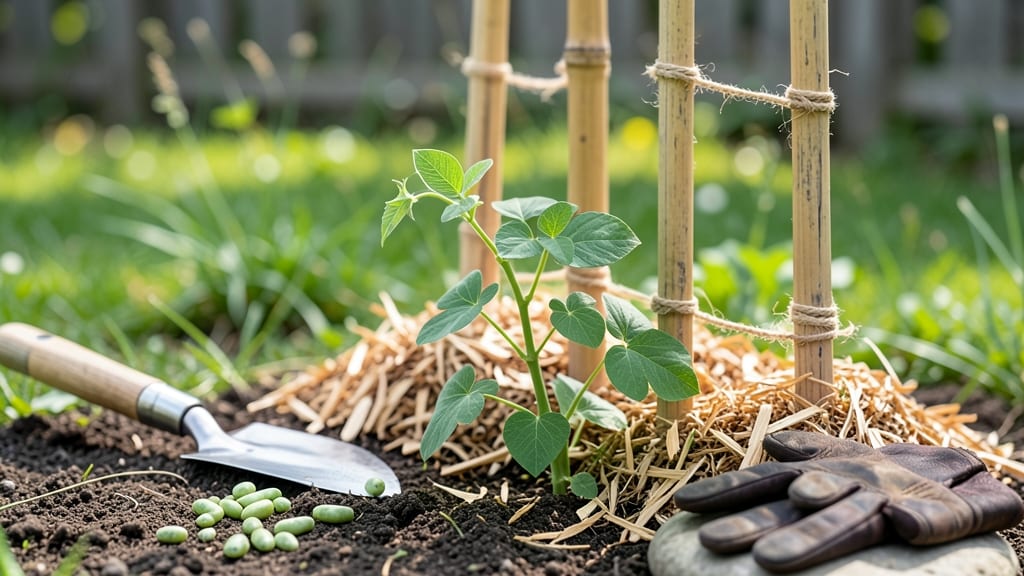
Pro tip: Peas germinate best in moist, cool soil. After sowing, keep seeds consistently damp (not flooded) until sprouts appear. A light mulch of straw helps retain moisture and regulate soil temp. Avoid planting when soil temps exceed 85°F—peas bolt (flower prematurely) in heat.
For Zone 8’s inland areas (hotter summers), prioritize fall planting to escape heat stress. Coastal Zone 8 gardeners can attempt early spring or late fall sowings, thanks to milder temps. Always monitor your local frost dates—they vary even within Zone 8!