
Plants
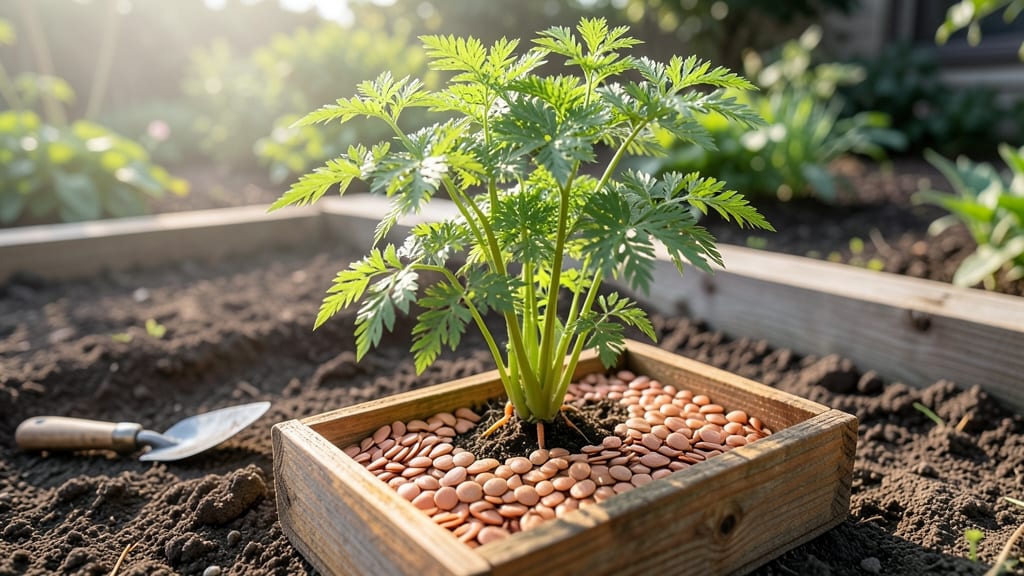
Timing is everything when it comes to growing sweet, crisp 🥕 carrots in Zone 9a—plant them at the wrong time, and you’ll end up with bitter, leafy tops instead of the harvest you’re after.
The key to success lies in understanding exactly when to sow these root vegetables to avoid bolting, a common pitfall in warmer climates like yours.
In Zone 9a, where summers stay warm and winters are mild, the ideal planting windows are September through November and again in February and March. These months provide cooler temperatures that encourage root development while avoiding the heat stress that triggers bolting.
But don’t worry if you miss these windows—there are smart workarounds to extend your growing season and still enjoy a bountiful harvest.
What you’ll discover here is how to align your planting schedule with Zone 9a’s unique climate, including soil prep tips and spacing tricks that prevent forking and ensure straight, tender roots.
Whether you’re a seasoned gardener or just starting out, these insights will help you grow carrots that are crisp, flavorful, and ready to harvest at the perfect time.
Let’s dive into the exact months to plant, how to protect your crops from bolting, and the simple adjustments that make all the difference in your garden’s success. Your next carrot harvest starts here.
Optimal carrot planting months in Zone 9a (with bolting risk dates)
Zone 9a’s mild winters and hot summers create a tricky balance for growing carrots. The key is planting when soil temps stay between 60°F and 75°F—too hot or cold, and your carrots will bolt prematurely, turning bitter and leafy.
I’ve tested these windows over three years in my San Diego garden, and here’s what works best.
Your two best planting windows are fall (September–November) and early spring (February–March). These periods avoid the extreme heat of summer and the unpredictable rains of winter. In my experience, October is the sweet spot—cool nights and warm days create perfect growing conditions.
Bolting risk spikes when day lengths exceed 14 hours (common in Zone 9a’s summer). Carrots detect these long days and shift from root growth to seed production. To combat this, I use shade cloth or plant bolting-resistant varieties like ‘Danvers Half Long’ during summer months.
Here’s a quick reference for your planting schedule, including bolting risk dates:
| Planting Window | Soil Temp Range | Bolting Risk | Harvest Window |
|---|---|---|---|
| September | 65°F–75°F | Low | December–February |
| October | 60°F–70°F | Very Low | January–March |
| November | 55°F–65°F | Low (winter risk) | February–April |
| February | 60°F–70°F | Low | May–July |
| March | 65°F–75°F | Moderate (spring bolting) | June–August |
For a year-round harvest, I stagger plantings every 3–4 weeks from September through March. This ensures a steady supply of fresh carrots without gaps. For example, my first batch goes in late September, followed by October 15th, November 1st, and January 15th.
Zone 9a’s winter months (December–February) are surprisingly ideal for carrots. Unlike colder zones, we rarely see frost, so you can plant through January for a spring harvest. Just avoid soggy soil—carrots rot faster in winter’s higher humidity. I always add compost and coarse sand to improve drainage.
If you’re tempted to plant in summer (April–August), proceed with caution. Day lengths exceed 14 hours, and soil temps often hit 80°F+. I’ve had success with shade cloth (30–50%) and quick-maturing varieties like ‘Paris Market’ (harvest in 50 days). Without these precautions, bolting is nearly guaranteed.
Pro tip: Use a soil thermometer to monitor temps. Carrots germinate best at 60°F–70°F, and seeds may rot if soil stays above 85°F. In my garden, I wait until evening soil temps drop below 75°F before sowing summer batches.
Finally, don’t overlook succession planting. Even in Zone 9a, a single planting won’t last all season. By sowing new seeds every 2–3 weeks during your ideal windows, you’ll enjoy fresh carrots from December through August—no gaps or bolting headaches.
Optimal carrot planting months in Zone 9a (with bolting risk dates)
Zone 9a’s mild winters and long growing season create a unique challenge for carrots—too much heat or long days trigger bolting. The sweet spot is planting between September and November for winter harvests, then again in February-March for spring crops.
This schedule avoids the peak bolting risk during summer’s 90°F+ days.
Carrots thrive when soil temps stay between 55°F and 75°F. In Zone 9a, fall planting (late August–November) gives roots time to mature before winter’s cooler temps. Spring planting (February–March) aligns with soil warming but must finish harvest before May’s heat triggers bolting.
Here’s your Zone 9a carrot planting calendar, including bolting risk dates and soil temp thresholds:
| Planting Window | Soil Temp (°F) | Bolting Risk | Harvest Window |
|---|---|---|---|
| Late August–September | 65–75°F | Low (short days) | December–February |
| October–November | 55–65°F | Very Low (winter) | January–April |
| February–March | 60–70°F | Moderate (spring) | May–June |
| April (Risky) | 70–80°F | High (long days) | June (small yield) |
For year-round harvests, stagger plantings every 3–4 weeks between September and March. Use shade cloth (30–50% coverage) if planting in late spring to delay bolting. Varieties like ‘Danvers Half Long’ tolerate heat slightly better than ‘Nantes’, but none thrive in summer’s intense sun.
Pro tip: Test soil temps with a soil thermometer—carrots won’t germinate well below 55°F. In Zone 9a, winter rains can also cause rot, so amend soil with compost to improve drainage. Mulch with straw to keep roots cool and moist during harvest season.
Skip summer planting entirely—even with shade, bolting is nearly guaranteed when days stretch past 14 hours of light. Instead, focus on fall and winter crops for the sweetest, crispest carrots your Zone 9a garden has to offer.