
Plants
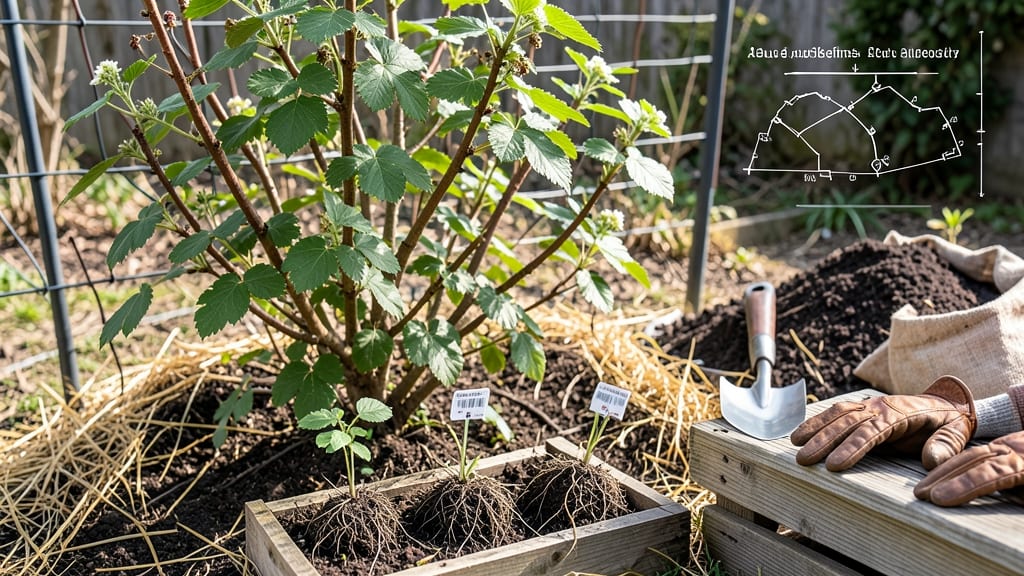
Timing your blackberry 🫐 planting in Indiana could mean the difference between a thriving bramble and a disappointing harvest. With Indiana's 5b-6b climate zones, getting the window right is everything—too early and frost will nip your canes, too late and your plants won’t establish strong roots before winter.
Most gardeners in Indiana swear by planting in early spring (March-April) when soil temperatures rise above 50°F, but fall planting (September-October) works too if you’re prepared for winter care.
The key is avoiding those late spring frosts that can sneak in around April 15—a timing mistake that even experienced growers make.
I’ll break down the exact planting windows for your zone, plus soil prep tips to give your blackberries the best start. Whether you’re planting bare-root canes or potted plants, these Indiana-specific strategies will help you grow stronger, more productive bushes year after year.
Ready to turn your backyard into a blackberry goldmine? Let’s get those canes in the ground at the perfect moment for maximum yield—and fewer headaches when harvest rolls around in late June.
Best planting months for blackberries in Indiana’s climate zones
Indiana’s USDA Hardiness Zones 5b-6b create a unique challenge for blackberry growers—late frosts and variable soil temperatures demand precise planting timing. The ideal windows are March-April for spring and September-October for fall, but microclimates can shift these dates by weeks.
Let’s break down the science behind these windows to help you avoid common mistakes like frost damage or poor root establishment.
Spring planting (March-April) aligns with soil temperatures above 50°F, which triggers root growth. Fall planting (September-October) gives roots 6-8 weeks to establish before winter dormancy. Both methods work, but fall planting often yields earlier harvests because established roots kickstart growth in spring.
For Indiana gardeners, late March is the absolute latest for spring planting to avoid frost risks.
Here’s how Indiana’s average last frost dates (April 15) and first frost dates (October 15) influence your timing. Planting too early means cold-sensitive roots may suffer, while planting too late delays the first harvest. Let’s compare your options with a data-driven approach.
| Planting Window | Soil Temp Requirement | Frost Risk | Root Establishment Time |
|---|---|---|---|
| Early Spring (March-April) | 50°F+ | High (late frosts) | 4-6 weeks |
| Late Summer (August-September) | 60°F+ | Low (before first frost) | 6-8 weeks |
| Early Fall (September-October) | 55°F+ | Moderate (early frosts) | 6-8 weeks |
🌱 Best Choice: Fall planting (September) for earliest harvests
For Indiana gardeners, fall planting in early September often outperforms spring planting because established roots jumpstart growth the following spring. However, soil temperatures must stay above 55°F for at least 4-6 weeks after planting.
Use a soil thermometer to monitor—planting when temps drop below this threshold risks root rot or dormancy.
Microclimates play a huge role in Indiana. Urban areas (like Indianapolis) tend to have earlier last frosts due to the "heat island" effect, while rural zones may experience later frosts.
Adjust your planting date 2-3 weeks earlier in cities and 1-2 weeks later in cooler rural areas. Always check your local frost calendar—Indiana’s Purdue Extension offers free, county-specific data.
Another critical factor is bare-root vs. potted blackberries. Bare-root canes (cheaper and widely available) should be planted as soon as possible after purchase—don’t let them dry out.
Potted plants offer more flexibility but cost 30-50% more. If you buy potted blackberries in late spring, delay planting until soil temps warm to avoid transplant shock.
Pro tip: Mulch heavily after planting (3-4 inches of straw or wood chips) to insulate roots during Indiana’s unpredictable spring thaws. This simple step can double your survival rate if late frosts hit.
Pair mulching with a drip irrigation system to maintain consistent moisture—blackberries hate dry spells during root establishment.
Let’s address a common mistake: planting too late in spring. If you miss the March-April window, avoid planting after May 1—new growth won’t harden off in time for winter. Instead, wait for fall (September) or start with potted plants that can handle delayed transplanting.
The key metric is days to first frost—aim for at least 60 days of growing season after planting.
Finally, consider Indiana’s humidity. Blackberries thrive in moderate humidity, but Indiana’s summer dampness increases fungal diseases like botrytis. Planting in fall (when humidity drops) gives your plants a healthier start.
If you choose spring planting, apply a fungicide preventative at bud break to protect new growth.
Ready to plant? Mark your calendar for early September—this is Indiana’s sweet spot for fall planting. For spring plantings, late March is your cutoff.
Either way, soil prep is just as critical as timing—we’ll cover that in the next section to ensure your blackberries take root like a pro. 🌱
Best planting months for blackberries in Indiana’s climate zones
Indiana’s USDA Hardiness Zones 5b-6b create a unique window for blackberry planting. The ideal time is either early spring (March-April) or early fall (September-October), when soil temperatures hover between 40-50°F—perfect for root establishment before summer heat or winter dormancy.
Spring planting gives canes a full 6-8 week head start before Indiana’s average last frost (April 15). Fall planting, however, allows roots to settle before winter while avoiding summer stress. Both methods work, but timing depends on your microclimate—urban areas may need adjustments due to heat islands.
📅 Indiana Blackberry Planting Timeline
| Season | Optimal Month | Soil Temp | Key Consideration |
|---|---|---|---|
| Spring | March-April | 40-50°F | Avoid frost; roots need 6+ weeks to establish |
| Fall | September-October | 50-60°F | Plant 6-8 weeks before first frost (Oct 15) |
💡 Pro Tip: Test soil temperature with a thermometer—roots struggle below 40°F.
Northern Indiana (Zone 5b) benefits from fall planting more than spring, as shorter growing seasons demand an early start. Southern Indiana (Zone 6b) can push spring planting into late April, but avoid May—summer heat stresses young canes.
For bare-root canes, prioritize spring planting—they establish faster in warm soil. Potted plants offer flexibility but require consistent moisture during transplant shock. Either way, amend soil with compost to improve drainage and fertility.
Indiana’s 165 frost-free days limit blackberry varieties, so choose early-maturing types like ‘Triple Crown’ (spring) or ‘Natchez’ (fall). Both thrive in full sun (6+ hours) and well-draining soil, but avoid waterlogged areas—root rot is a silent killer.
After planting, mulch heavily (3-4 inches) with straw to retain moisture and suppress weeds. In Zone 6b, extend mulch into winter for insulation. Spring-planted canes may fruit the following year, while fall-planted ones often wait until year 2—patience pays off with larger yields.