
Plants
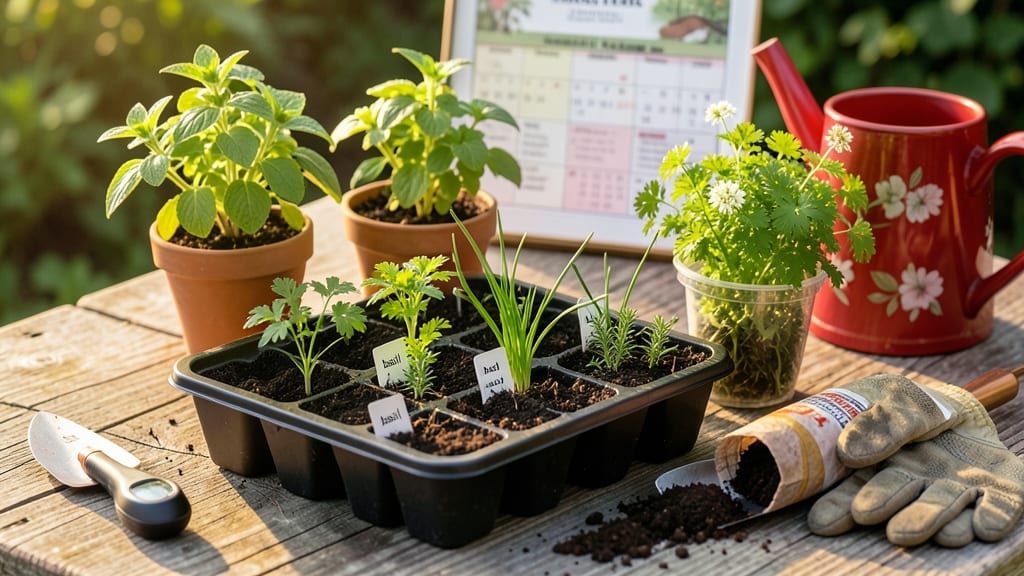
Timing your herbs planting in Missouri just right can mean the difference between a lush kitchen garden and a sad, wilted disappointment. Missouri’s spring weather swings wildly—one day it’s frost, the next it’s 80°F—leaving gardeners guessing when to finally put those seed packets in the ground.
If you’ve ever rushed to plant your basil or parsley only to watch a late frost nip them in the bud, you know how frustrating it can be. The key isn’t just waiting for spring—it’s understanding your USDA Zone and soil temperatures.
Whether you’re in St. Louis or Kansas City, getting these details right ensures your herbs thrive from summer through fall.
I’ll break down the exact windows for planting everything from heat-loving basil to cold-hardy thyme, plus when to start seeds indoors for a head start. No more second-guessing—just a foolproof plan to turn your Missouri garden into a flavor-packed paradise.
Ready to ditch the guesswork? Let’s dive into the best times to plant, adjust for your local microclimate, and keep your herbs growing strong all season long.
Missouri herb planting calendar by USDA Zone (5a-6b)
Missouri spans USDA Zones 5a-6b, meaning your last spring frost can vary from early April in Zone 5a to late April in Zone 6b.
Timing is everything for herbs—plant too early, and frost will kill tender varieties like basil; wait too long, and you’ll miss the 60-90 day growing window before fall frosts hit.
I’ve broken down the ideal planting windows for 8 popular herbs based on Missouri’s climate zones and soil temperature thresholds.
Most herbs thrive when soil temperatures reach 60°F (15°C), but some, like cilantro and parsley, tolerate cooler 50°F (10°C) soils. Use a soil thermometer to check—it’s the best way to avoid guessing.
For Zone 5a (northern MO), aim for mid-April to early May for direct sowing, while Zone 6b (southern MO) can start as early as late March for hardy herbs.
Here’s the zone-specific planting calendar for Missouri’s most-loved herbs, including frost dates and soil temperature targets:
| Herb | Zone 5a (North) | Zone 5b (Central) | Zone 6a (South) | Zone 6b (Southeast) | Soil Temp | |||||||||||||||
|---|---|---|---|---|---|---|---|---|---|---|---|---|---|---|---|---|---|---|---|---|
| Basil | Mid-May | Early May | Late April | Early April | 60°F+ | |||||||||||||||
| Cilantro | Early April (indoors) / Late April (outdoors) | Mid-March (indoors) / Early April (outdoors) | Late March (indoors) / Mid-March (outdoors) | Early March (indoors) / Late February (outdoors) | 50°F+ | |||||||||||||||
| Parsley | Early April (outdoors) / Late March (indoors) | Mid-March (outdoors) / February (indoors) | Late February (outdoors) / January (indoors) | Early February (outdoors) / December (indoors) | 50°F+ | |||||||||||||||
| Rosemary | Early May (outdoors) / March (indoors) | Late April (outdoors) / February (indoors) | Early May (outdoors) / January (indoors) | Late April (outdoors) / December (indoors) | 65°F+ | |||||||||||||||
| Thyme | Early April (outdoors) | Late March (outdoors) | Mid-March (outdoors) | Early March (outdoors) | 55°F+ | |||||||||||||||
| Mint | Early April (outdoors) | Late March (outdoors) | Mid-March (outdoors) | Early March (outdoors) |
How to adjust planting times for Missouri’s microclimatesMissouri’s diverse geography—from the humid river valleys to the drier Ozark foothills—means microclimates can shift planting windows by 2-3 weeks. Urban areas like St. Louis often experience heat islands, where pavement retains warmth, while rural zones may stay cooler longer. Understanding these variations helps you time plantings for success. For example, herbs like basil thrive in warm soil (60°F+) but can bolt in hotter urban spots if planted too early. Meanwhile, hardy herbs like thyme tolerate cooler soil and may be planted 2 weeks earlier in shaded valley gardens compared to sunbaked city plots. 🌱
Row covers and cold frames are game-changers for extending Missouri’s short growing season. A simple floating row cover can add 4-6 weeks of protection against late spring frosts, while a cold frame lets you start parsley or chives indoors as early as February in USDA Zone 5a. For herbs sensitive to heat, like cilantro, use shade cloth during peak summer (July-August) to prevent bolting. In contrast, drought-tolerant herbs like rosemary benefit from reflective mulch to reduce soil moisture loss in urban areas. Always monitor your local weather forecasts—especially the National Weather Service’s frost predictions—and adjust planting dates accordingly. A 5-day delay can mean the difference between lush basil and wilting seedlings in Missouri’s capricious spring. ☀️ |