
Plants
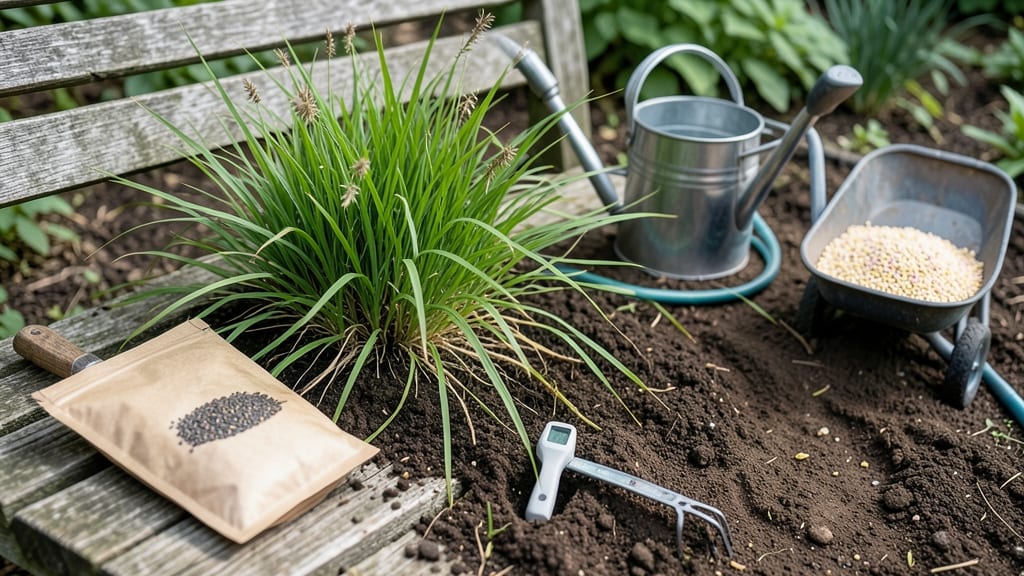
Planting Bermuda grass seeds at the wrong time in Texas can mean sparse coverage, weak growth, or wasted effort—but timing it right guarantees a lush, drought-resistant lawn that thrives in the state's brutal heat.
If you're a Texas homeowner, you know how frustrating it is to see your lawn struggle when the temperature soars. The key to success lies in understanding soil temperatures and regional deadlines that vary from North to South Texas.
I'll break down exactly when to plant for maximum germination and growth.
Most gardeners make one of two mistakes: planting too early and risking frost damage or waiting too long and missing the ideal window. The perfect timing depends on your specific Texas zone, and I’ll show you how to nail it every time.
Let’s dive into the science behind soil temps, zone-specific planting windows, and the simple steps to prepare your yard for a thick, healthy Bermuda lawn that stays green all summer long.
Optimal soil temperature ranges for planting Bermuda grass seeds in Texas
Bermuda grass thrives in Texas' heat, but its seeds need warm soil to germinate properly. The ideal soil temperature for planting is between 65°F to 75°F, with 70°F being the sweet spot for consistent germination.
If you plant too early, cold soil slows growth, while waiting too long risks summer drought stress.
Texas has three distinct regions with different soil warming patterns: North Texas (cooler), Central Texas (moderate), and South Texas (warmer). North Texas often needs to wait until late May, while South Texas can start as early as mid-April. Always check soil temps with a soil thermometer before planting.
To test your soil temperature, insert a thermometer 2 inches deep in the ground on a sunny day. Take readings in the late afternoon when soil is warmest. If temps are below 65°F, wait 1-2 weeks—Bermuda grass seeds won’t germinate in cooler conditions, no matter how much you water.
Before planting, prepare your soil by removing weeds and tilling to a depth of 4-6 inches. Bermuda grass prefers sandy loam soil with good drainage. If your soil is heavy clay, amend it with compost or sand to improve aeration.
A soil pH between 6.0 and 7.5 is ideal for optimal nutrient uptake.
Pro Tip: If you’re planting in North Texas, consider using a black plastic mulch to warm the soil faster. Lay it down 1-2 weeks before planting to create a microclimate that speeds up germination. Just remove it once seedlings emerge to avoid overheating.
Bermuda grass seeds need consistent moisture to germinate, but overwatering can drown them. Water lightly twice daily (early morning and late afternoon) until germination occurs, then taper off to deep, infrequent watering to encourage deep root growth. Avoid wetting the seeds directly—use a fine mist setting on your sprinkler.
| Region | Ideal Soil Temp | Best Planting Window | Soil Prep Tip |
|---|---|---|---|
| North Texas | 68°F–75°F | Late May–Early June | Use black plastic mulch |
| Central Texas | 65°F–72°F | Mid-April–Late May | Test soil pH (6.0–7.5) |
| South Texas | 70°F–78°F | Mid-April–Early June | Amend clay soil with sand |
Once your soil hits the right temperature, scatter Bermuda grass seeds thinly (about 1/4 pound per 100 sq ft) and lightly rake them into the top 1/4 inch of soil.
Press them gently with a roller or your foot to ensure good seed-to-soil contact. Avoid burying them too deep—they need light to germinate.
After planting, maintain even moisture without letting the soil dry out. Bermuda grass seeds typically germinate in 7–14 days, but this can take longer in cooler regions like North Texas. Monitor for uniform green shoots—if some areas are sparse, thin them out to prevent overcrowding as they grow.
Remember, Bermuda grass is drought-tolerant once established, but young seedlings need consistent care to thrive. By following these soil temperature guidelines and regional adjustments, you’ll set your lawn up for thick, healthy growth that outlasts Texas’ summer heat.
Texas zone deadlines: exact months to plant Bermuda grass by region (North, central, south)
Texas’ diverse climate zones mean your bermuda grass planting window varies dramatically. North Texas gardeners face cooler springs and earlier frosts, while South Texas enjoys longer growing seasons. Central Texas falls somewhere in between. Let’s break down the ideal planting months for each zone to avoid heat stress or frost damage. The key is planting when soil temps hit 65°F+ and daytime highs stay above 80°F. In North Texas, this typically means late April to early June, while South Texas can start as early as March. Central Texas lands in the April to mid-May sweet spot.| Texas Zone | Best Planting Window | Soil Temp Requirement | Key Risks |
|---|---|---|---|
| North Texas (Zones 7-8) | Late April – Early June | 65°F+ (consistent) | Late frost, slower germination |
| Central Texas (Zones 8-9) | April – Mid-May | 68°F+ (ideal) | Weed competition, drought stress |
| South Texas (Zones 9-10) | March – Early April | 70°F+ (fast germination) | Overheating, poor establishment |
Pro tip: Use a soil thermometer to confirm temps before planting. Bury it 2 inches deep—the depth where seeds will germinate—and wait until readings stay above 65°F for 5+ days.
🌱
For fastest germination, pair your planting with pre-emergent herbicide to block weeds. In North Texas, apply herbicide 2 weeks before seeding; in South Texas, wait until 1 week before to avoid volatility in extreme heat. Always follow label instructions for safe application rates. Finally, remember that Bermuda grass spreads aggressively once established. If you’re planting in shaded areas, consider mixing with shade-tolerant varieties like ‘TifTuf’ or ‘Celebration’, which handle partial shade better than standard types.Miss the spring window? Late summer replanting works—but expect slower growth as temps drop. Always prioritize soil warmth over calendar months!
☀️