
Plants
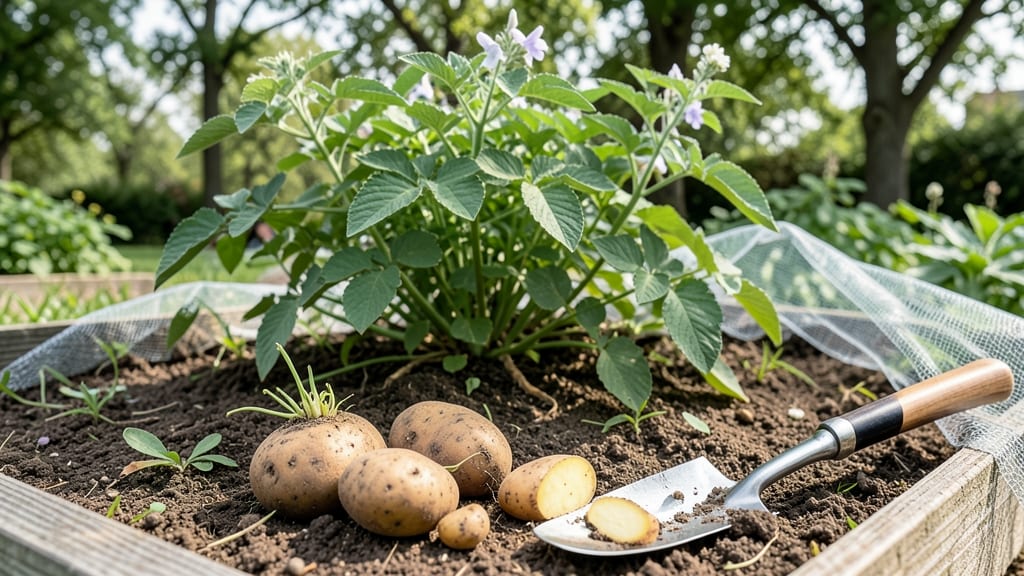
When can you plant the potatoes in North Carolina? Timing your potato planting in North Carolina can mean the difference between a thriving harvest and wasted effort. The key is understanding your USDA Zone 6b-8a frost dates, which vary dramatically from the mountains to the coast.
Most gardeners in NC plant 🥔 between February and May, but the exact window depends on whether you're growing early varieties or late-season potatoes. Plant too soon, and you risk frost damage; too late, and your harvest shrinks. Let’s break down the perfect planting schedule for your specific region.
You’ll discover how to prepare your soil, choose the right varieties for your microclimate, and avoid common mistakes that sabotage even the most eager gardeners. Whether you're a first-timer or a seasoned grower, these insights will help you maximize your yield.
Ready to dig in? We’ll cover everything from soil temperature tips to frost-proofing strategies, so you can confidently start planting and enjoy homegrown potatoes all season long.
North Carolina potato planting dates by hardiness zone (with frost risk alerts)
North Carolina spans USDA zones 6b through 8a, meaning your last frost date can vary wildly—from early March in the mountains to late April along the coast.
This variation forces gardeners to adjust planting times, or risk frost damage or stunted tubers. Let’s break down your zone-specific windows so you can plant with confidence.
For most of NC, February through April is prime time for spring planting. However, if you’re in zone 8a (coastal areas), you can even start as early as January for early-maturing varieties.
The key is waiting until the soil reaches 45°F (7°C)—a chilly threshold that signals safe sprouting without frost risk.
Here’s your zone-by-zone planting timeline, including frost risk alerts and soil temperature thresholds to avoid common mistakes like black heart disease (caused by uneven soil temps).
| Zone | Last Frost Date | Ideal Planting Window | Soil Temp Threshold | Frost Risk Alert |
|---|---|---|---|---|
| 6b (Mountains) | March 15 | March 1–April 15 | 45°F (7°C) | High risk before March 15 |
| 7a (Piedmont) | March 25 | February 28–April 15 | 45°F (7°C) | Moderate risk before March 10 |
| 7b (Central NC) | March 30 | February 15–April 30 | 45°F (7°C) | Low risk before March 15 |
| 8a (Coastal) | April 15 | January 15–April 30 | 50°F (10°C) | Minimal risk before April 1 |
If you’re planting late varieties (like Kennebec or Russet), aim for April 15–May 1 in most zones. These need 90–120 days to mature, so timing them right ensures harvests align with NC’s first frost (typically November 15).
For early varieties (e.g., Yukon Gold), plant 2–4 weeks before your last frost date to maximize yield.
Pro tip: Use a soil thermometer to confirm temps—cold, wet soil can delay sprouting even if air temps are warm. If your soil is below 45°F (7°C), wait 1–2 weeks or use black plastic mulch to warm it faster.
For fall planting (a risky but rewarding strategy), aim for July–August in zones 7b–8a. These late-season potatoes need to mature before first frost, so choose fast-maturing varieties (60–70 days) like Red Norland or New Red Skin. Cover plants with row fabric in October to extend the season.
Missed the spring window? Don’t panic—container growing lets you plant anytime in NC’s warmer zones. Just use well-draining potting mix and keep pots in full sun. Containers warm up faster than soil, making them ideal for late starts.
Remember: Frost damage isn’t just about temperature—it’s also about soil moisture. Overwatered soil stays colder longer, increasing frost risk. Aim for consistently moist (not soggy) soil to keep roots warm and active.
🌱
Best potato varieties for NC gardens: early vs. late planting matchups
Choosing the right potato varieties for North Carolina’s climate is key to avoiding frost damage or heat stress. The state’s USDA zones 6b-8a allow for both early-season and late-season varieties, but timing matters.
Early types like Red Norland or Yukon Gold thrive when planted in February-March, while late varieties such as Kennebec or Purple Viking need April-May starts to mature before fall frosts.
Your microclimate plays a huge role—coastal areas (like zone 8a) can plant 2-3 weeks earlier than inland zones (like zone 6b).
For example, Red Pontiac matures in 80-90 days, perfect for early spring planting, while Russet Burbank takes 100-120 days, ideal for late-season harvests in warmer inland zones.
| Variety | Days to Maturity | Best Planting Window | Soil Temp Threshold | Flavor/Use |
|---|---|---|---|---|
| Red Norland | 85-95 | Feb 15 - Mar 15 | 45-50°F | Waxy, versatile |
| Yukon Gold | 80-90 | Feb 20 - Mar 20 | 45-50°F | Buttery, great for mash |
| Kennebec | 90-110 | Apr 1 - Apr 15 | 50-55°F | Mealy, baking |
| Purple Viking | 100-110 | Apr 15 - May 1 | 50-55°F | Nutty, roasting |
| Red Pontiac | 80-90 | Feb 20 - Mar 20 | 45-50°F | Red flesh, salads |
For coastal NC (zones 8a), aim for early varieties like Red Norland or Yukon Gold—they handle warmer soils better and mature before summer heat sets in.
Inland areas (zones 6b-7b) can stretch to late-season types like Kennebec or Russet Burbank, but plant them no later than early May to avoid early fall frosts.
Pro tip: Chit your seed potatoes (sprout them indoors) 4-6 weeks before planting to jumpstart growth. This is especially helpful for late varieties in cooler zones, giving them a head start against shortened growing seasons. Store chitted potatoes in a cool, dark place (like a garage) until planting.
If you’re in zone 7b or warmer, consider succession planting: start with early varieties in February, then follow with mid-season types like LaSoda in March, and finish with late varieties in April.
This stretches your harvest from June through October, ensuring a steady supply of fresh potatoes.
Remember: Soil temperature is your best guide—wait until the ground reaches 45°F for early varieties or 50°F for late ones. Use a soil thermometer to check, especially in sandy soils that warm up faster. Planting too early in cold soil can lead to rotten tubers or stunted growth.