
Planting
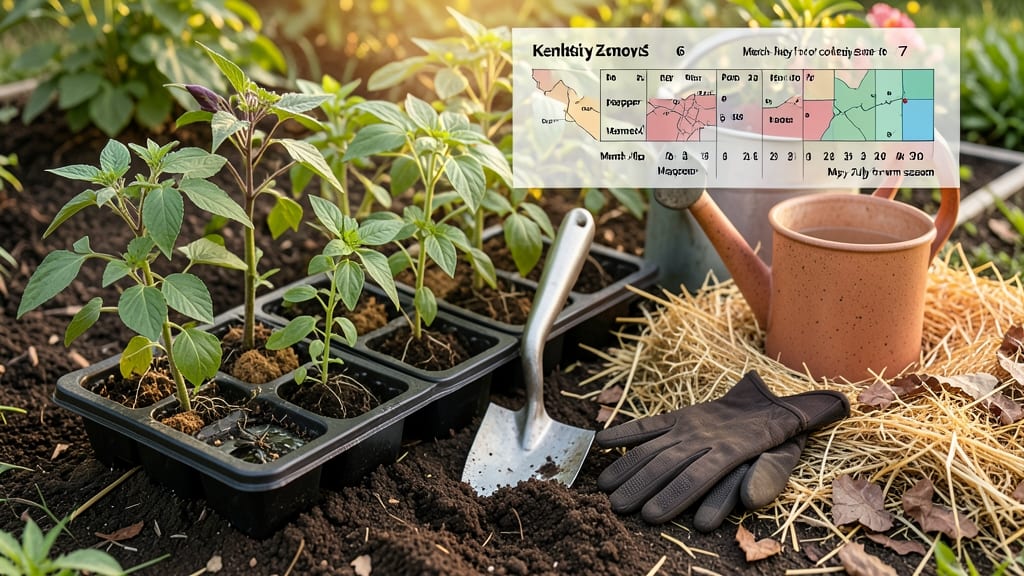
When to plant a garden in Kentucky means the difference between a bumper crop and a frost-killed disappointment. With Zone 7b's unpredictable swings—where last frost can hit as late as mid-April or as early as March—getting the schedule wrong costs you weeks of growth. I've seen even veteran gardeners lose entire plantings because they misjudged the window, and I'm here to help you avoid that heartbreak.
Your 🌱 General Garden Vegetables thrive when planted at the right moment, but Kentucky's microclimates add another layer of complexity. Whether you're in the Bluegrass region or the Appalachian foothills, the 180 frost-free days you have to work with demand precision—not guesswork.
What works for tomatoes in Louisville might fail in Eastern Kentucky's cooler pockets, and I'll show you how to adjust for both.
Most gardeners focus on the "when," but the how matters just as much. Should you start cool-season crops like lettuce 4-6 weeks before your last frost? Or hold off until soil temperatures hit 50°F for warm-season favorites like peppers?
I'll break down the exact deadlines you need, plus smart tricks like row covers to stretch your season by 4-6 weeks—even if Mother Nature throws a curveball.
Ready to turn your Kentucky garden into a high-yield machine? Let's dive into the science-backed planting calendar that'll have your veggies thriving from mid-March through mid-October, frost-free and flourishing. Your future harvest starts with these deadlines.
Kentucky Zone 7b planting deadlines: last frost dates by season
Kentucky’s Zone 7b climate gives you roughly 180 frost-free days—a tight window to grow your best garden. Missing these deadlines can mean wilted seedlings or frost-killed plants.
I’ll break down the exact dates for spring and fall planting, plus how to adjust for your specific part of the state.
Most of Kentucky falls under Zone 6a-7a, but last frost dates vary by region. Northern areas (like Paducah) average April 15, while Louisville and Lexington typically see their last frost around April 10. Southern Kentucky (e.g., Bowling Green) can be 5-7 days earlier.
For spring planting, aim to sow cool-season crops (like lettuce or spinach) 4-6 weeks before your last frost date. Warm-season crops (tomatoes, peppers) need to wait until 2-3 weeks after the last frost—usually mid-April to early May.
Here’s a quick reference for Kentucky’s frost-free window:
| Season | Critical Dates | Planting Window | Key Crops |
|---|---|---|---|
| Spring | Last Frost: April 10-15 | Cool crops: March 15-April 1 Warm crops: April 20-May 10 |
Lettuce, peas, tomatoes, peppers |
| Fall | First Frost: October 10-15 | Late July to mid-August | Kale, carrots, radishes, broccoli |
| Year-Round | Soil Temp: 50°F+ | Herbs, microgreens, cold frames | Basil, cilantro, spinach |
Use the National Weather Service or Kentucky Mesonet for real-time updates. These tools track soil temperature and frost alerts, helping you adjust planting dates if spring runs late or summer heat arrives early.
For fall planting, focus on heat-tolerant cool-season crops like kale or radishes. Start seeds 8-10 weeks before your first frost (usually late July) to ensure a harvest before winter sets in.
Pro tip: If you’re in Eastern Kentucky’s higher elevations, add 2-3 weeks to frost dates. The Appalachian region can be 5-10°F colder than Louisville, delaying planting by nearly a month.
Always check soil temperature before planting—most seeds need 50-70°F soil to germinate. Use a soil thermometer ($10 at garden centers) to avoid wasted effort on cold soil.
Missed the spring window? No problem! Succession planting lets you stagger crops every 2-3 weeks until mid-June, keeping your harvests steady. Just swap out heat-sensitive plants (like lettuce) for heat-tolerant varieties (e.g., Swiss chard).
🌱
How to adjust planting times for Kentucky’s microclimates
Kentucky’s diverse geography—from the Bluegrass Region to the Appalachian Mountains—means your planting schedule should adapt to local conditions. A Louisville garden might enjoy a 2-week earlier start than one in Harlan County, where higher elevations delay spring warmth.
Even urban heat islands in Lexington can push back frost dates by 5–7 days compared to rural areas.
Microclimates also affect soil warming. Dark, rocky soils in Eastern Kentucky heat up faster in spring, while clay-heavy soils in Western Kentucky stay cooler longer. Test your soil temperature with a soil thermometer—most seeds need 50–60°F for germination, but peppers and tomatoes demand 70°F+.
Here’s how to fine-tune your schedule for Kentucky’s key microclimates:
- 📍 Bluegrass Region (Louisville, Lexington): Start cool-season crops by mid-March; warm-season 2 weeks after last frost (usually April 15). Urban areas may add 5–7 frost-free days.
- 🏔️ Appalachian Plateau (Eastern KY): Delay planting until late April for spring crops; use row covers to extend season by 3 weeks.
- 🌾 Western Kentucky (Paducah, Bowling Green): Plant warm-season crops by April 1; monitor for late-spring freezes (common until May 10).
- 🏙️ Urban Gardens (Heat Islands): Plant heat-loving crops like okra or sweet potatoes 2 weeks earlier than rural areas. Mulch heavily to retain moisture.
For high-altitude gardens above 1,500 feet, prioritize cold-hardy varieties like kale, spinach, and peas. These thrive in Zone 6 conditions and can handle light frosts.
In contrast, lowland areas near the Ohio River should focus on heat-tolerant tomatoes and peppers, planting them after May 1 to avoid blossom-end rot.
Succession planting is your secret weapon. In Zone 7b, sow lettuce and radishes every 2 weeks from March to July for continuous harvests. For warm-season crops, stagger plantings of beans, cucumbers, and squash every 10–14 days until July 15 to avoid bolting from heat stress.
Extend your season with row covers or cold frames. These can push back the first frost by 3–4 weeks, letting you plant broccoli and cabbage as late as August 1. Just remove covers when flowers appear to allow pollination.
Finally, track your local frost history. Use the Old Farmer’s Almanac or NOAA frost maps to compare your area’s 30-year averages with recent trends. Climate change has already shifted Kentucky’s frost dates 1–2 weeks earlier in spring—adjust accordingly!