
Plants
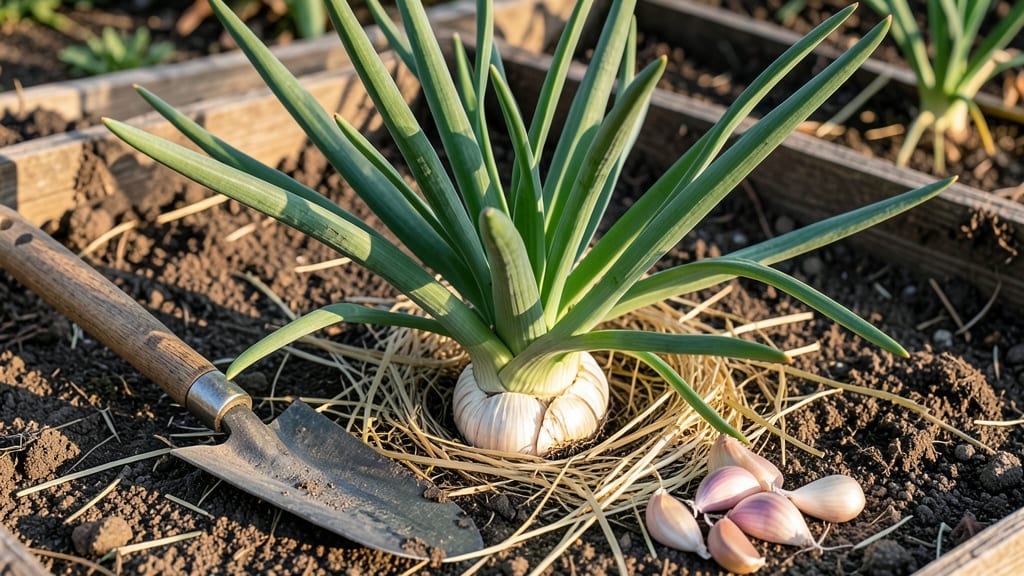
Planting garlic in Zone 10a’s frost-free winters isn’t just about timing—it’s about working with the climate’s quirks to avoid bolting and maximize those plump, flavorful bulbs. Most gardeners assume fall is the only window, but in Zone 10a, late summer actually gives you the edge you need.
The key? Planting 6 weeks before your first cool snap—which, in this zone, means August or early September.
Why does this matter? Because garlic 🧄 thrives when it gets a head start on root development before temperatures dip. In Zone 10a, where winters are mild and summers linger, planting too late in fall can leave your cloves struggling to mature before heat returns.
I’ve seen firsthand how a well-timed late-summer planting leads to bigger bulbs and fewer pests—no frost required.
Here’s the game-changer: most guides focus on frost dates, but Zone 10a’s 365 frost-free days mean you’ve got flexibility. We’ll break down exactly when to plant for your specific microclimate, which varieties perform best without cold snaps, and how to tweak your soil and care routine to beat the heat.
Ready to grow garlic that’s bold in flavor and foolproof in execution?
Skip the guesswork and the wasted cloves. Whether you’re a first-time grower or a seasoned gardener adjusting to Zone 10a’s rhythm, these insights will help you plant once and harvest like a pro. Let’s dive into the tricks that actually work in your climate.
Optimal planting window for garlic in Zone 10a: late summer secrets
Zone 10a’s frost-free winters mean traditional fall planting advice doesn’t apply here. Unlike colder zones where garlic needs cold vernalization, your garlic can—and should—go in the ground anytime from late summer through early spring.
The key is timing your planting to align with cooler temperatures and avoid summer heat stress, which stunts bulb development.
Most gardeners in Zone 10a achieve the best results with a 6-week planting window from mid-August to mid-September. This timing lets garlic establish roots before hotter fall temperatures arrive, while still giving it enough time to mature before summer’s return.
Planting too late in fall or early spring risks bolting (premature flowering) or weak bulb formation.
Here’s why late summer works best: Garlic thrives in cool soil temperatures (60-65°F), and late summer planting ensures your cloves experience these ideal conditions. Plus, you’ll avoid the dormancy challenges that come with summer’s intense heat, which can cause cloves to rot before sprouting.
If you miss the late summer window, don’t panic—garlic is flexible in Zone 10a. You can still plant through January or February, but expect smaller bulbs. The trick is to extend shade with row covers or plant in containers to protect cloves from intense afternoon sun.
Just avoid planting in summer’s peak heat (May–July), as cloves won’t sprout reliably.
Microclimates play a huge role in Zone 10a. If your garden sits in a hotter microclimate (like a paved area or full sun all day), aim for earlier planting (August) to beat the heat.
Cooler microclimates (near water features or shaded by trees) can accommodate later plantings (September–October) without stressing the plants.
One common mistake in Zone 10a is assuming garlic grows like other warm-season crops. Unlike tomatoes or peppers, garlic doesn’t love heat—it grows best when temperatures stay below 75°F.
Planting too late in the year can lead to bolting, where garlic sends up a flower stalk instead of forming a bulb. To prevent this, choose bolting-resistant varieties like 'Silverskin' or 'Artichoke' for Zone 10a.
For a continuous harvest, stagger your planting by 4-6 weeks. Start with a batch in mid-August, then follow up with another in September. This way, you’ll have garlic ready to harvest from June through August, ensuring a steady supply for your kitchen.
Just remember: the earlier you plant, the larger your bulbs will be.
Pro tip: Use a soil thermometer to check temperatures before planting. Aim for 60-65°F soil temps—this is the sweet spot for garlic germination. If your soil runs hotter, wait a few days or plant in the late afternoon to reduce heat stress on the cloves.
Finally, don’t overlook organic matter in your soil prep. Zone 10a soils can be sandy or clay-heavy, and garlic needs well-draining, fertile soil to form large bulbs. Mix in compost or aged manure before planting to give your garlic the nutrients it needs to thrive in your unique climate.
Optimal planting window for garlic in Zone 10a: late summer secrets
In Zone 10a, where winters stay mild and frost is nonexistent, timing your garlic planting becomes less about avoiding cold and more about capitalizing on the 6-week window between late summer and early fall.
Unlike colder zones, you won’t need to rush—garlic thrives with a cool but frost-free growing season, making August through September the sweet spot for planting.
Planting too early in summer can trigger bolting (premature flowering), while waiting until late fall risks pest pressure or weak bulb development.
The key is to plant when soil temperatures drop below 75°F but stay above 60°F, signaling your garlic it’s time to focus on bulb formation instead of leafy growth.
| Planting Stage | Zone 10a Timing | Key Conditions |
|---|---|---|
| Ideal Window | Late August–Early September | Soil temp: 60–75°F |
| Secondary Window | Mid-September–Early October | Daylength: 11–12 hours |
| Avoid Planting | June–July or November+ | Risk of bolting or pests |
For hardneck varieties, which need vernalization (a cold period) to form bulbs, Zone 10a’s lack of frost means you’ll need to trick them into thinking winter is coming.
Plant in late August and mulch heavily with straw to simulate cooler conditions. Softneck varieties, like 'Artichoke,' adapt better to warm winters and can be planted until early October without extra tricks.
Microclimates matter in Zone 10a. Coastal areas with cooler breezes can extend your planting window into early October, while inland spots may need to plant by mid-September to avoid summer heat stress. Always check your local 7-day soil temperature forecast—aim for 65°F at planting depth (2 inches).
Once planted, focus on consistent moisture but avoid overwatering, which can lead to rot. In Zone 10a, garlic’s harvest window opens in June–July, so timing your plantings now ensures you’ll have fresh bulbs when summer heat peaks.
Miss the window, and you might end up with small, weak cloves or worse—garlic that never bulbs at all.
Pro tip: Mark your calendar for September 15th as your last chance to plant in most of Zone 10a. By then, you’ve dodged the summer heat and given your garlic enough time to establish roots before the dry season sets in. 🌱