
Planting
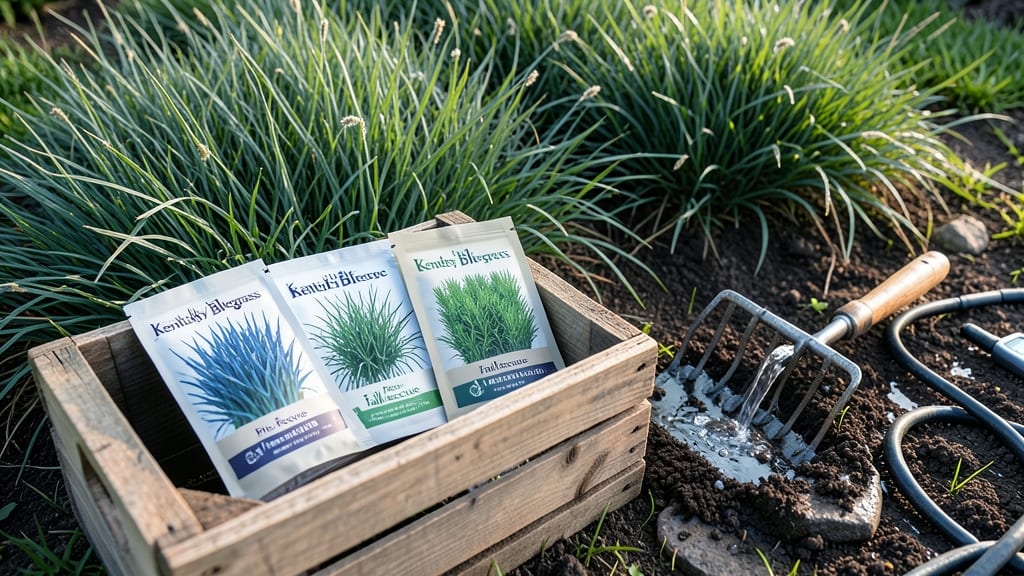
If you’ve ever stared at a patchy lawn and wondered "when can I plant grass seed in Massachusetts", timing is the game-changer between success and frustration. The 5b-6b climate here means cool seasons dominate, so planting too early or late can leave your seed struggling—or worse, wasted.
Most gardeners swear by spring planting, but fall often delivers better germination rates thanks to cooler temps and fewer weeds. Whether you’re seeding in March or September, soil temperature (aim for 50-65°F) and moisture are the real secrets to a thick, green lawn.
I’ll break down the exact windows for your region—whether you’re in coastal Boston or inland Worcester—plus pro tips to avoid common pitfalls like drought stress or pest damage. Ready to transform bare spots into lush grass? Let’s get started.
By the end, you’ll know not just when to plant, but how to prep your soil and care for new growth like a local. No more guessing—just a lawn that stays vibrant all season.
Best months to plant grass seed in Massachusetts: spring vs fall comparison
Massachusetts' cool-season climate makes spring and fall the ideal times to plant grass seed, but timing is everything. The USDA zones 5b-6b here mean you'll face late frosts in spring and early frosts in fall, so knowing the exact windows can save your seed investment.
For most of Massachusetts, late April to early June is prime for spring planting, while mid-August to early October works best in fall. These windows align with soil temperatures between 50°F and 65°F, which is crucial for germination.
Coastal areas like Cape Cod may have earlier planting windows due to milder microclimates.
Here's the critical comparison you need to decide between spring and fall planting:
| Factor | Spring Planting | Fall Planting |
|---|---|---|
| Best Months | Late April - Early June | Mid-August - Early October |
| Soil Temp | 50-65°F (ideal) | 50-65°F (ideal) |
| Germination Time | 7-21 days | 7-14 days (cooler temps) |
| Establishment Time | 6-8 weeks | 4-6 weeks |
| Weed Competition | High (spring weeds) | Low (fall weeds dormant) |
| Water Needs | High (hot weather) | Moderate (cooler temps) |
| Frost Risk | Low (after last frost) | Moderate (before first frost) |
Spring planting gives your grass a full growing season to establish before winter, but you'll battle spring weeds and need consistent watering during hot months. Fall planting reduces weed competition and water needs, but your grass must establish before first frost (typically mid-October in most of MA).
For coastal Massachusetts (like Cape Cod and the Islands), you can plant 2-3 weeks earlier due to milder temperatures. Inland areas like the Berkshires should wait until after May 1 to avoid late frosts. Always check your local frost date averages for precise timing.
Regardless of season, soil temperature is your best guide. Use a soil thermometer ($10 at garden centers) to confirm temps are 50°F or above before planting. Cold soil will delay germination and invite disease.
Pro tip: Early September is often the sweet spot for fall planting in MA. By then, summer heat has passed, but you still have 6-8 weeks of growing season before frost. This gives your grass seed time to establish strong roots before winter.
Remember that cool-season grasses (like Kentucky bluegrass and fescue) dominate MA lawns, and they thrive when planted in these optimal windows. Warm-season grasses (like Bermuda) aren't recommended for New England climates.
How to prepare your Massachusetts lawn for grass seed planting
Preparing your lawn properly before planting grass seed is the foundation for a thick, healthy turf. In Massachusetts, where cool-season grasses dominate, soil prep can make or break your success.
Start by testing your soil pH—ideal levels are between 6.0 and 7.0—since acidic or alkaline soil stunts seed germination. If your soil is off, add lime to raise pH or sulfur to lower it, following package instructions for precise measurements.
Next, clear the area of weeds and debris. Use a broadleaf herbicide (like glyphosate) 2-3 weeks before planting to kill weeds without harming the grass seed. For stubborn weeds, manually pull them or use a dethatching rake to remove thatch layers thicker than ½ inch.
This ensures seeds make direct contact with fertile soil, not a barrier of dead plant matter.