
Plants
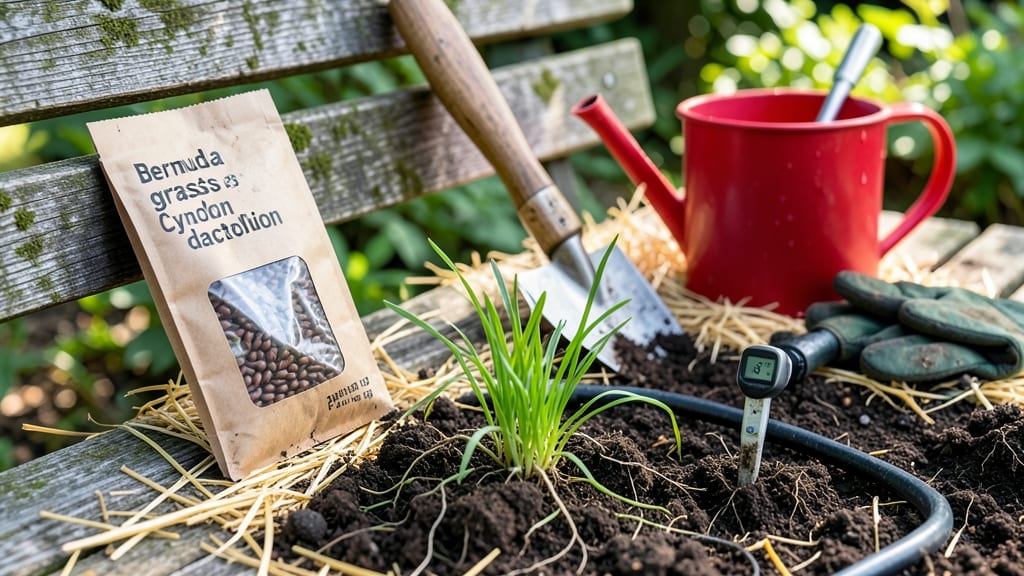
Timing when to plant Bermuda seed in Arizona isn’t just about calendar dates—it’s about beating the heat and mastering soil temperatures to give your lawn the fast start it needs.
With USDA Zone 9b summers reaching 110°F+, planting too early means struggling with cool soil, while waiting too long risks seed dormancy. The sweet spot? Late February through early April, when soil warms to 75-85°F—perfect for germination without scorching.
But here’s the catch: Arizona’s microclimates vary wildly. Phoenix’s urban heat islands demand earlier planting than cooler high-desert areas near Flagstaff. We’ll break down exactly when to plant in your specific zone and how to prep soil for drought-resistant growth.
Skip the guesswork—learn the 3-step schedule that turns bare dirt into lush 🌱 Bermuda grass before summer’s brutal heat sets in.
Optimal soil temperature for planting Bermuda seed in Arizona’s heat zones
Arizona’s USDA heat zones 9-11 demand precision when planting Bermuda grass seed. Unlike cooler climates, timing isn’t just about frost dates—it’s about soil temperature. Seeds need consistent warmth (75-85°F) to germinate, or they’ll rot in cold soil or bake in scorching conditions.
Let’s break down the perfect planting windows and how to test your soil’s readiness.
Bermuda grass thrives in Arizona’s extreme heat, but its seeds are finicky. Plant too early, and cold soil (below 65°F) stalls germination. Plant too late, and summer’s 110°F+ temps stress young seedlings.
The ideal soil temperature range is 75-85°F, which aligns with Arizona’s late February to early April window in most regions. Higher elevations (like Flagstaff) may push planting to late April or May.
To test your soil’s temperature, use a soil thermometer (available at garden centers for ~$10). Insert it 2-3 inches deep in the shade, then check readings at 10 AM for accuracy.
If temps are below 65°F, wait—Bermuda seeds won’t germinate in cooler conditions. Pro tip: Morning readings are most reliable because afternoon sun can skew results.
Here’s how Arizona’s three key regions differ in planting timing:
| Arizona Region | USDA Zone | Optimal Planting Window | Soil Temp Requirement | Key Risk |
|---|---|---|---|---|
| Phoenix/Scottsdale | 11a-11b | Late February - Early April | 75-85°F | Late frost (after March 15) |
| Tucson | 9b-10a | Early March - Mid-April | 70-80°F | Summer drought stress |
| Yuma/Western AZ | 10b-12a | January - February | 65-75°F | Early heat spikes |
Notice how Yuma’s earlier window reflects its hotter, drier climate. If you’re in Zone 11b (Phoenix), aim for late February—any earlier, and unpredictable late frosts can damage seedlings. In Tucson (Zone 9b), wait until soil warms to 70°F to avoid fungal diseases from cool, damp conditions.
For higher elevations (e.g., Sedona, Prescott), extend your window to late April. These areas experience cooler nights and shorter growing seasons. Use a minimum-maximum thermometer to track nighttime temps—if they dip below 55°F, delay planting until May.
One critical mistake is assuming Arizona’s 120°F+ summer heat is the enemy. While it’s true that seedlings can’t handle direct sun until established, Bermuda grass actually loves heat—it’s dormant in winter, not summer.
The real challenge is balancing moisture during germination. Overwatering in 100°F+ temps leads to root rot, while underwatering causes crusting that blocks oxygen.
To prepare your soil, aerate 2-3 weeks before planting to improve drainage and root penetration. Bermuda grass hates compacted soil, which is common in Arizona’s clay-heavy soils. Mix in compost or sand to loosen the soil, and level the seedbed to prevent water pooling.
A pH of 6.0-7.0 is ideal—test your soil with a home kit and amend with lime (to raise pH) or sulfur (to lower pH) as needed.
Once your soil hits the 75-85°F sweet spot, you’re ready to plant. But don’t rush—wait for a forecast of stable temps (no rain or extreme heat) for at least 5-7 days.
Bermuda seeds germinate in 7-14 days under ideal conditions, but heat stress or drought can double that time—or kill seedlings entirely.
Pro tip: Shade cloth (30-50%) can help young seedlings transition to full sun. Stake it 6 inches above the soil to allow airflow and prevent fungal growth. Remove it after 3-4 weeks
Optimal soil temperature for planting Bermuda seed in Arizona’s heat zones
Arizona’s USDA zones 9-12 create unique challenges for Bermuda grass seed—too early, and your seeds won’t germinate; too late, and summer’s 110°F+ heat will stress young plants.
The ideal soil temperature range for planting is 75-85°F, which aligns with Arizona’s late spring conditions when days warm up but nights stay mild.
In Phoenix (Zone 10-11), aim for March 15-April 15 when soil temps consistently hit 75°F+. For Tucson (Zone 9-10), shift slightly earlier to March 1-30 due to cooler high-desert nights. Yuma (Zone 10) can push to April 1-15 thanks to its lower elevation and earlier warming.
| Arizona Region | Optimal Planting Window | Soil Temp Requirement | Key Climate Factor |
|---|---|---|---|
| Phoenix (Zones 10-11) | March 15 - April 15 | 75-85°F | Low desert heat spikes |
| Tucson (Zones 9-10) | March 1 - March 30 | 70-80°F | Cooler high-desert nights |
| Yuma (Zone 10) | April 1 - April 15 | 80-85°F | Earlier soil warming |
To test your soil temperature, use a soil thermometer (insert 2-3 inches deep) for 3 consecutive days. If temps dip below 70°F, wait—cold soil delays germination by 3-5 days and invites fungal diseases. Morning readings (9-11 AM) are most accurate since Arizona’s afternoon heat can skew results.
Pro tip: Pre-warm your soil 1-2 weeks before planting by covering bare spots with black plastic mulch. This raises temps by 5-10°F, accelerating germination. Remove the plastic 24 hours before seeding to avoid overheating the seeds.
If you miss the spring window, late summer (August-September) offers a second chance—just be prepared for intense afternoon shade during germination. Use shade cloth (30%) until seedlings are 3 inches tall to protect them from 100°F+ temps.
Remember: Bermuda grass seeds need consistent moisture to break dormancy, but waterlogged soil (above 85°F) can suffocate them. Aim for damp, not soggy, soil conditions during germination.