
Plants
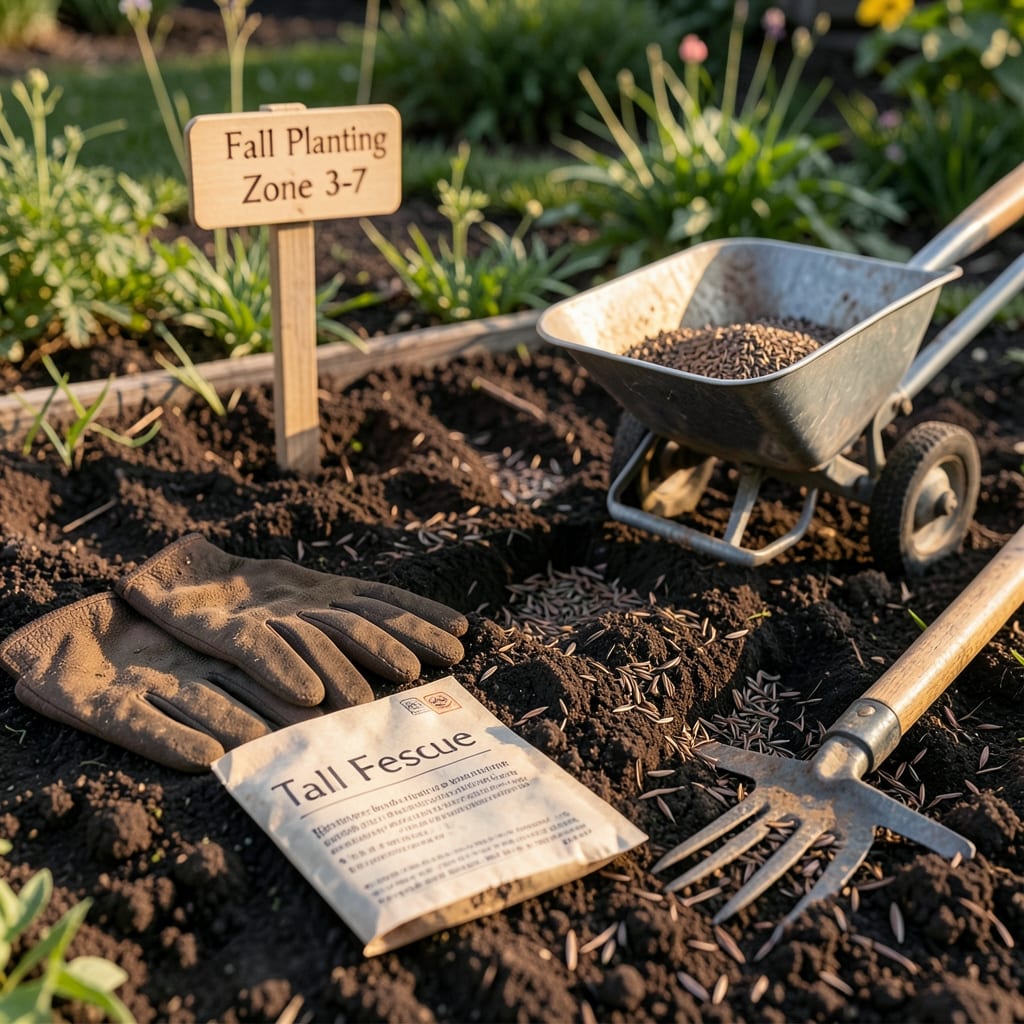
Planting grass seed in the fall is your golden ticket to a lush, vibrant lawn—but get the timing wrong, and you’re left with patchy results. The key lies in understanding your climate zone, as cooler temperatures and reduced weeds create ideal conditions for root establishment.
For most of the U.S., including USDA Zone 6a, the perfect window is 4-6 weeks before your first frost, typically late summer to early fall. This timing ensures your 🌱 grass seed germinates before winter sets in, giving it a strong start for spring growth.
Why does this matter? Fall planting means less competition from weeds, better moisture retention, and cooler soil temperatures that prevent seed stress. I’ll break down the exact dates for your region and share actionable tips to avoid common pitfalls.
Ready to transform your lawn? Let’s dive into the best practices for fall planting, from soil prep to watering schedules, so you can enjoy a thick, green carpet next spring.
Best fall planting windows for grass seed by US climate Zone
Fall planting gives grass seed a head start on root growth before winter, but timing varies dramatically across the U.S. The ideal window is 4-6 weeks before your first frost, when soil temps stay between 40–60°F. This ensures seeds germinate without risking winter kill.
Northern climates (Zones 3–5) have the earliest deadlines—plant by late August to mid-September—while Southern regions (Zones 7–10) can extend planting until mid-November. Transition zones (6–7) offer flexibility but require close monitoring of soil temperature.
Here’s a breakdown of your optimal planting window by region, including key temperature thresholds and regional adjustments:
| USDA Zone | Best Planting Window | Soil Temp Threshold | Regional Notes |
|---|---|---|---|
| 3–5 (Northern) | Late August–Mid-September | 40–55°F | Pacific Northwest: Extend to early October; Midwest: Avoid planting after September 15. |
| 6–7 (Transition) | Mid-September–Early October | 50–60°F | Northeast: Plant by October 1; Southeast: Can push to mid-October. |
| 8–10 (Southern) | Late September–Mid-November | 55–65°F | Deep South: Avoid planting after November 15; Gulf Coast: Can plant into December. |
For cool-season grasses (like Kentucky bluegrass or tall fescue), fall planting is ideal because they thrive in cooler temperatures and establish roots before winter dormancy. Warm-season grasses (e.g., Bermuda or Zoysia) should never be planted in fall—they struggle with winter survival.
Use a soil thermometer to confirm temps are in the optimal range before planting. If your region experiences unpredictable frosts, err on the earlier side of the window to avoid seed dormancy.
Pro tip: Northern gardeners can start seeds indoors in late summer (6–8 weeks before outdoor planting) to get a jump on the season. Transplant seedlings when soil temps drop below 70°F.
Once you’ve locked in your planting window, focus on soil prep—loosen top 2–3 inches of soil, remove debris, and level the area. This ensures even seed-to-soil contact for consistent germination.
🌱
Best fall planting windows for grass seed by US climate Zone
Timing your grass seed planting in the fall depends entirely on your USDA hardiness zone and local climate patterns. The ideal window is 4-6 weeks before your first frost, when soil temperatures hover between 40–60°F. This balance allows seeds to germinate without risking winter dormancy too soon.
For example, in USDA Zone 6a (like much of the Midwest), aim for mid-September to early October. In warmer Zone 8b (southern states), you can extend planting until late October or early November. Northern Zone 4a regions should plant by late August to avoid early freezes.
🌱 Pro Tip: Check your local frost date averages—the National Weather Service provides county-specific forecasts. Planting too late risks frost damage before roots establish.
| USDA Zone | Fall Planting Window | Soil Temp Goal | Key Consideration |
|---|---|---|---|
| 4a (Northern Plains) | Late August – Early September | 50–60°F | Early frost risk; use cold-hardy varieties |
| 6a (Midwest) | Mid-September – Early October | 45–55°F | Balanced window for cool-season grasses |
| 8b (Deep South) | Late October – Early November | 55–65°F | Warm soil; avoid warm-season grasses |
| Pacific Northwest (Zone 7b) | Early September – Mid-October | 50–60°F | Mild winters; extend window with mulch |
Regional microclimates also play a role. For example, mountainous areas may experience frost earlier than valleys, while coastal regions often enjoy milder fall temperatures. Adjust your planting date by 1–2 weeks if your area has a reputation for early or late frosts.
Always test your soil temperature with a soil thermometer (available at garden centers) before planting. Aim for consistent 60°F+ readings during the day to ensure germination. If temperatures drop below 50°F at night, delay planting until conditions stabilize.
🌿 Why This Matters: Fall-planted grass seeds establish deeper roots before winter, leading to 20–30% faster spring growth compared to spring plantings. Plus, cooler weather reduces weed competition, giving your lawn a head start.