
How To
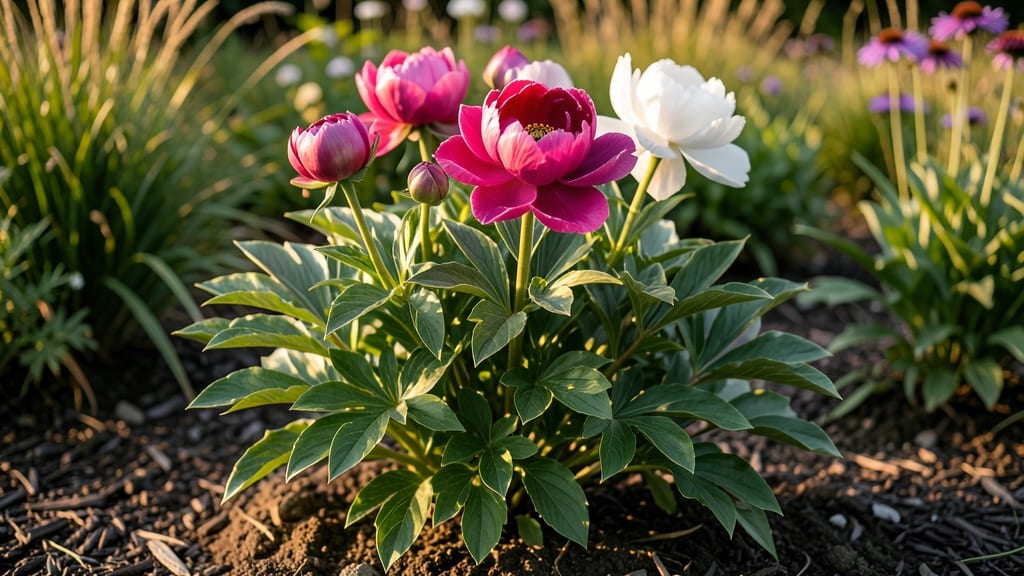
Peony height ranges by variety: from dwarf to giant bloomers
Peonies aren’t one-size-fits-all—their heights can range from 12 inches to over 5 feet, depending on the variety. Understanding these differences helps you plan your garden layout and choose the perfect peonies for your space.
Whether you have a small container garden or a sprawling landscape, knowing the mature height of each type ensures your blooms thrive without overcrowding.
The three main peony categories—herbaceous, tree, and intersectional—each have distinct growth habits and height ranges. Herbaceous peonies, the most common type, typically reach 2 to 4 feet at maturity, while tree peonies can soar up to 5 feet or taller.
Intersectional hybrids blend the best traits of both, often growing 3 to 5 feet tall. Let’s break down the specifics so you can pick the perfect peonies for your garden.
| Peony Type | Height Range | Growth Habit | Ideal Climate |
|---|---|---|---|
| Herbaceous Peonies | 2–4 ft | Bushy, upright stems; dies back in winter | Zones 3–8 |
| Tree Peonies | 3–5+ ft | Woody stems; evergreen in mild climates | Zones 4–9 |
| Intersectional Hybrids | 3–5 ft | Combination of herbaceous and tree traits | Zones 4–8 |
| Dwarf Varieties (e.g., 'Bowl of Beauty') | 1–2 ft | Compact, ideal for containers or borders | Zones 3–7 |
| Standard Herbaceous (e.g., 'Sarah Bernhardt') | 3–4 ft | Classic bushy form, large blooms | Zones 3–8 |
| Tree Peony Giants (e.g., 'Shin-Shu') | 5–6 ft | Tall, dramatic, long-lived | Zones 4–9 |
Herbaceous peonies, like the beloved 'Sarah Bernhardt', are the workhorses of most gardens. They grow 2 to 4 feet tall and thrive in cooler climates, making them perfect for USDA zones 3 through 8.
Their stems die back in winter, but they return with vigor each spring, producing large, fragrant blooms that last for weeks. These varieties are ideal for borders, cottage gardens, or as focal points in mixed beds.
Tree peonies, on the other hand, are the showstoppers of the peony world. Varieties like 'Shin-Shu' can reach 5 to 6 feet tall, with some even exceeding 7 feet in ideal conditions. Unlike herbaceous types, tree peonies keep their foliage year-round in mild climates, adding evergreen interest to your garden.
They prefer warmer zones (4 through 9) and are perfect for larger landscapes, where their height and dramatic blooms can be fully appreciated.
If you love the idea of peonies but have limited space, consider dwarf varieties. These compact beauties, like 'Bowl of Beauty', grow only 1 to 2 feet tall and are perfect for containers, rock gardens, or small urban spaces.
They’re also great for cutting gardens, as their smaller size makes them easier to reach and harvest. Dwarf peonies are just as hardy as their taller counterparts, thriving in zones 3 through 7.
Intersectional hybrids, like 'Bartzella', blend the best traits of herbaceous and tree peonies. They typically grow 3 to 5 feet tall and produce extra-large blooms with vibrant colors. These hybrids are versatile, adapting well to both cool and warm climates (zones 4 through 8).
They’re a fantastic choice if you want a peony that combines the best of both worlds—height, hardiness, and stunning flowers.
When planning your garden, remember that peony height isn’t just about aesthetics—it also affects bloom size, sunlight exposure, and airflow. Taller varieties may need more space between plants to prevent crowding, while
Peony height ranges by variety: from dwarf to giant bloomers
Peonies come in three main categories, each with distinct height ranges that dramatically impact your garden layout. Herbaceous peonies, the most common type, typically reach 2 to 3 feet tall at maturity, making them perfect for cottage-style gardens. Tree peonies, on the other hand, can soar up to 4 to 5 feet, while intersectional hybrids often fall somewhere in between, offering versatility for different spaces.
Your climate plays a crucial role in determining final height. In cooler zones like USDA Zone 3-5, peonies tend to grow more compactly, while warmer zones may see slightly taller growth.
For example, the 'Sarah Bernhardt' variety thrives in cooler climates, staying around 2.5 feet tall, whereas 'Bowl of Beauty' can reach 3.5 feet in ideal conditions.
Here’s how peony heights break down by variety, including their growth habits and ideal climates:
| Variety | Height Range | Growth Habit | Ideal Climate |
|---|---|---|---|
| Herbaceous Peonies | 2–3 ft | Bushy, compact | Zones 3–8 |
| Tree Peonies | 4–5 ft | Woody stems, upright | Zones 5–8 |
| Intersectional Hybrids | 3–4 ft | Balanced, sturdy | Zones 4–8 |
| Dwarf Varieties (e.g., 'Babe') | 1–2 ft | Low-growing, spreading | Zones 3–7 |
| Tall Varieties (e.g., 'Duke of York') | 3.5–4.5 ft | Sturdy, upright | Zones 4–8 |
Knowing your peony’s mature height helps you plan for sunlight exposure and air circulation. For instance, taller varieties like 'Kodak Red' (4.5 ft) need space to avoid shading shorter plants, while dwarf types like 'Little Red' (1.5 ft) work well in borders or containers.
Pro tip: Check the crown size when purchasing—larger crowns often mean faster, taller growth. For example, a 3-inch crown of 'Sarah Bernhardt' will outpace a 1-inch crown by nearly 1 foot in maturity.
If you’re planting near a fence or wall, opt for tree peonies or tall herbaceous types to create a dramatic vertical backdrop. Just ensure they have at least 3 feet of space behind them to prevent overcrowding and disease.
For container gardening, dwarf varieties are your best bet—they thrive in 12-inch pots and stay under 2 feet tall, making them ideal for patios or balconies.