Trees
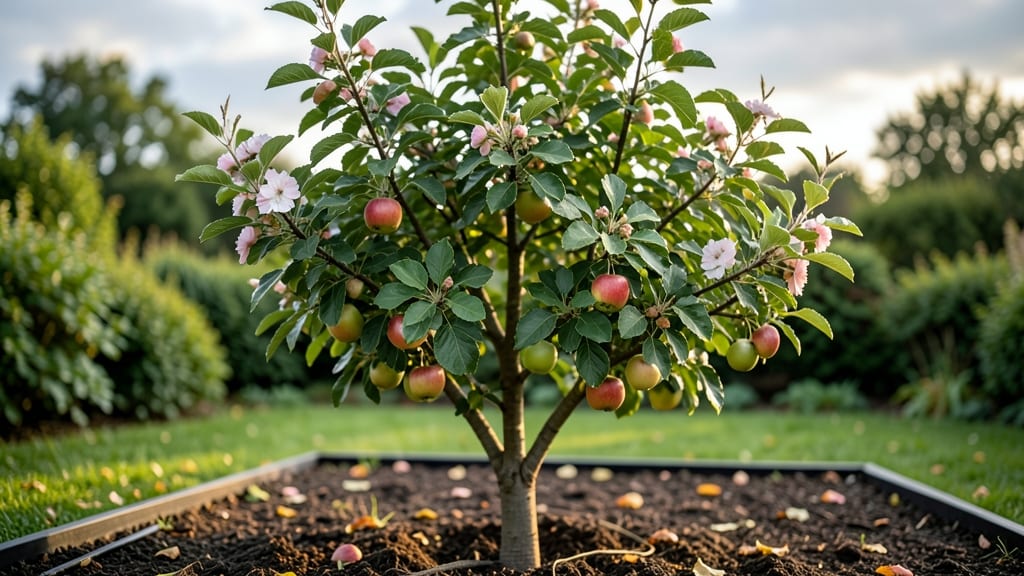
Semi dwarf apple tree heights by popular variety (with mature growth expectations)
Semi dwarf apple trees strike the perfect balance between manageable size and robust fruit production. Unlike their towering standard counterparts—some reaching 20-30 feet—these trees typically mature between 12-18 feet tall, making them ideal for home gardens.
But not all varieties grow the same height, and factors like pruning, soil quality, and climate can influence their final stature.
Understanding these variations helps you plan your orchard layout, choose the right varieties for your space, and even predict how quickly your trees will bear fruit. For example, a Fuji semi dwarf might top out at 14 feet, while a Granny Smith could reach 16 feet with proper care.
Let’s break down the specifics so you can make informed decisions for your backyard.
📊 Variety-Specific Height Comparison
| Variety | Mature Height (ft) | Spread (ft) | Notes |
|---|---|---|---|
| Gala | 12-15 | 10-12 | Fast-growing, disease-resistant |
| Fuji | 14-16 | 12-14 | Sweet flavor, needs cross-pollination |
| Honeycrisp | 13-16 | 11-13 | Crisp texture, popular for fresh eating |
| Granny Smith | 15-18 | 12-15 | Tart, tallest semi dwarf option |
| McIntosh | 12-14 | 10-12 | Versatile, good for cooking |
While these heights represent the average mature size, your semi dwarf apple trees might grow slightly taller or shorter depending on growing conditions. For instance, trees in cooler climates like USDA Zone 5 may stay compact, while those in warmer zones (Zone 7+) could stretch toward the upper limit.
Regular pruning also plays a crucial role—aggressive pruning can keep a tree at 10-12 feet, while minimal pruning might let it reach 16-18 feet.
Another key factor is the rootstock used to graft the variety. Semi dwarf apple trees are typically grafted onto Malling-Merton (MM) 106 or MM 111 rootstocks, which naturally limit height.
However, if your tree’s rootstock is MM 104 (a slightly taller semi dwarf option), expect heights closer to 16-20 feet. Always check the rootstock details when purchasing to avoid surprises.
For gardeners with limited space, pairing semi dwarf varieties with dwarf rootstocks (like MM 106) is a smart move. These combinations can reduce height to 8-12 feet, making them perfect for containers or small yards.
Just be prepared for slightly smaller fruit yields compared to standard semi dwarf sizes.
One common misconception is that all semi dwarf apple trees grow at the same rate. In reality, Honeycrisp and Gala tend to mature faster—reaching 50% of their mature height in 3-4 years—while Granny Smith and Fuji may take 5-6 years to hit their full potential.
Planning accordingly ensures you’re not overwhelmed by rapid growth or disappointed by slow development.
If you’re planting multiple trees, consider their canopy spread just as much as their height. A 12-foot spread means you’ll need at least 15 feet between trees to allow airflow and prevent disease.
This spacing also makes harvesting easier and reduces the need for ladders. For row planting, aim for 20 feet between rows to accommodate equipment or companion plants like herbs or flowers.
🌱 Pro Tip: To estimate your tree’s growth trajectory, measure its height annually and compare it to the variety’s average growth rate. Adjust pruning or spacing as needed to keep your orchard tidy and productive.
Optimal spacing and planting tips for semi dwarf apple trees
When planting semi dwarf apple trees, spacing is just as important as choosing the right variety. These trees typically reach 12 to 18 feet tall at maturity, but their spread can be just as wide—sometimes even wider than their height.
Proper spacing ensures good air circulation, reduces disease risk, and allows for easier harvesting and maintenance.
For a single tree, give it at least 10 to 12 feet of space in all directions. If you're planting multiple trees in a row, increase the spacing to 15 to 20 feet between rows to prevent overcrowding and competition for nutrients.
This spacing also makes it easier to mow or cultivate the area between trees without damaging roots.
🌱Pro Tip: If your garden has limited space, consider planting semi dwarf apple trees against a south-facing fence or wall. This not only saves space but also provides natural support and protection from wind, which can stress young trees.
📌 Numbered Highlights: Spacing & Planting Essentials
- Single Tree: 10–12 ft from structures, fences, or other trees
- Row Planting: 15–20 ft between rows for airflow and sunlight
- Windbreaks: Plant near hedges or fences to reduce wind damage
- Companion Plants: Add clover or grasses under trees to retain moisture
- Avoid Overcrowding: Never plant closer than 8 ft to other trees
Another key factor is soil preparation. Semi dwarf apple trees thrive in well-draining, slightly acidic soil (pH 6.0–6.5). Before planting, amend the soil with compost or organic matter to improve fertility and drainage.
Dig a hole twice as wide as the root ball but no deeper to encourage root spread.
Plant your semi dwarf apple tree in early spring, after the last frost date in your area. This gives the tree enough time to establish roots before winter. Water deeply after planting to settle the soil and eliminate air pockets.
Mulch around the base with wood chips or straw to retain moisture and suppress weeds, but keep the mulch 3–4 inches away from the trunk to prevent rot.
🌿Remember: Semi dwarf apple trees are still large enough to need room to grow. Skimping on spacing can lead to stunted growth, poor fruit production, and increased pest/disease pressure. Plan ahead, and your backyard orchard will thrive for years to come!