
Trees
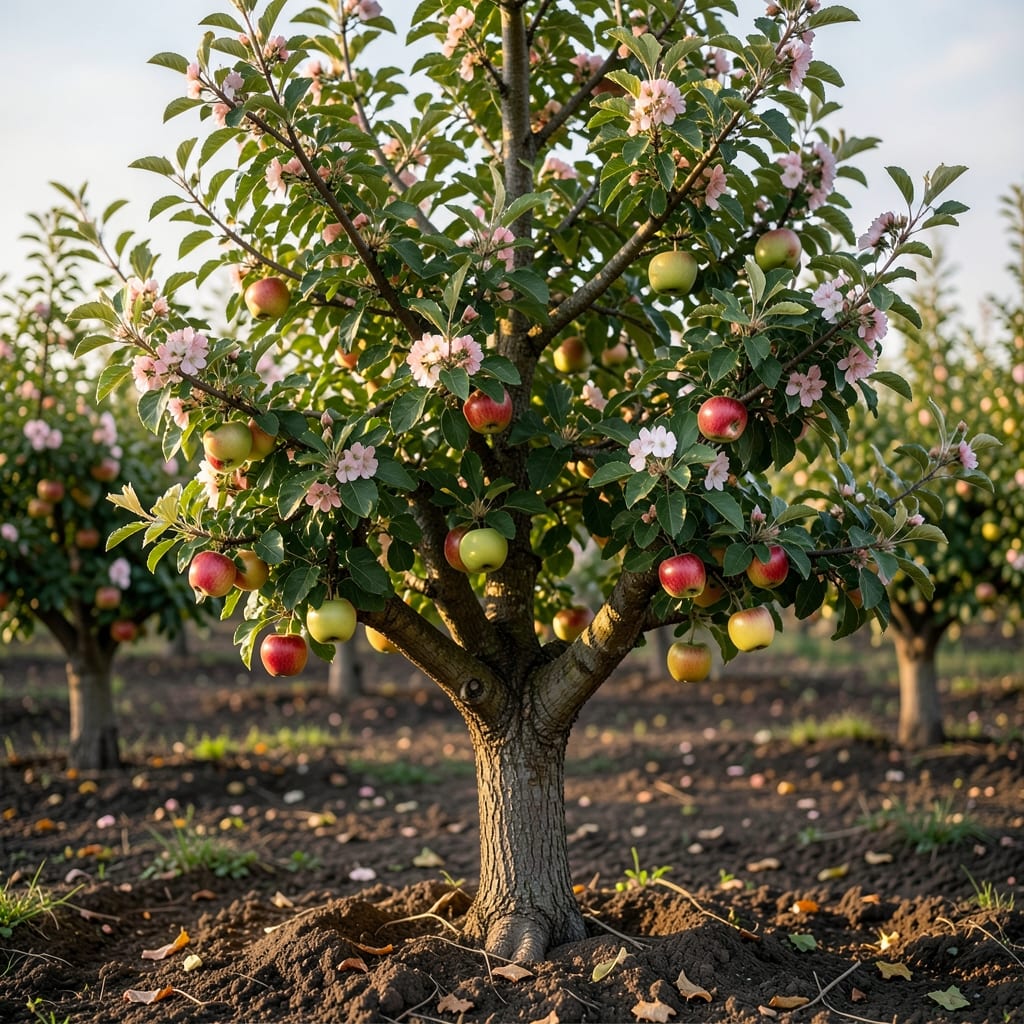
Curious about how tall apple trees grow? The answer isn’t one-size-fits-all—some varieties stay compact enough for a backyard, while others reach sky-high like a 25-foot giant. Whether you’re dreaming of a 🍎 tree that fits your patio or one that shades your entire yard, knowing the differences is key to planning your orchard.
Dwarf apple trees might top out at just 8 feet, making them perfect for small spaces, while standard varieties can stretch toward 30 feet or more. But it’s not just about the variety—soil quality, pruning habits, and even your climate zone play a huge role in how tall your tree will grow over time.
If you’re wondering how to control your tree’s height or when it’ll finally bear fruit, you’re in the right place. I’ll break down everything you need to know—from the fastest-growing varieties to the best pruning tips to keep your 🍎 tree at your ideal height.
Ready to pick the perfect apple tree for your space? Let’s dive into the details so you can grow the tree of your dreams—without the surprises.


Apple tree height by variety: dwarf to standard to full-size trees
When choosing an apple tree, height isn't just about aesthetics—it determines your garden layout, pruning needs, and even how easy it is to harvest those juicy 🍎. The biggest factor controlling height is the rootstock the tree is grafted onto. Dwarf varieties stay manageable at 8-12 feet, while full-size trees can reach 30-40 feet—taller than a two-story house! Let’s break down the four main categories so you can pick the perfect fit for your space.
Dwarf apple trees are the backyard gardener’s best friend. Grafted onto M.9 or B.9 rootstock, they top out at 8-12 feet—ideal for containers, small yards, or even urban patios. Varieties like 'Columnar' apples grow just 6-8 feet tall but produce fruit along their entire length, making them perfect for narrow spaces. These trees typically bear fruit in 2-3 years and require minimal pruning compared to their taller cousins.
Here’s a quick comparison of mature heights by category, plus the spacing you’ll need to avoid crowding:
| Variety Type | Mature Height | Ideal Spacing | Fruiting Age | Best For |
|---|---|---|---|---|
| Dwarf (M.9/B.9) | 8-12 ft | 6-8 ft apart | 2-3 years | Containers, small yards |
| Semi-Dwarf (M.7) | 12-18 ft | 10-12 ft apart | 3-4 years | Backyards, orchards |
| Standard (Seedling) | 20-30 ft | 15-20 ft apart | 5-7 years | Large properties, shade trees |
| Full-Size (Vigorous) | 30-40 ft | 25-30 ft apart | 7-10 years | Rural orchards, windbreaks |
Tip: Spacing ensures airflow, reducing disease risk and making harvests easier.
Semi-dwarf apple trees (grafted onto M.7 rootstock) strike a balance, reaching 12-18 feet at maturity. Popular varieties like 'Gala' or 'Jonagold' fit well in most backyards and produce abundant fruit. These trees take slightly longer to bear fruit (3-4 years) but require less intensive pruning than full-size trees. If you love the idea of a 🍎 tree but don’t want to climb a ladder every harvest, semi-dwarfs are the sweet spot.
Standard and full-size apple trees are the giants of the orchard. Grown on seedling rootstock or vigorous understocks, they can reach 30-40 feet—perfect for rural properties or as shade trees. Varieties like 'Honeycrisp' or 'Granny Smith' thrive in these forms but need ample space (25+ feet apart) to avoid overcrowding. These trees take the longest to fruit (5-10 years) and require regular pruning to manage height and shape.
Pro tip: If you’re short on space but love the idea of a 🍎 tree, consider espalier training. This technique flattens trees against walls or fences, keeping them under 10 feet tall while maximizing fruit production. Even full-size varieties can be espaliered with proper pruning!
Now that you know the height ranges, here’s how to choose: Measure your space, check your local frost dates (taller trees need more winter protection), and decide how much maintenance you’re willing to handle. A dwarf tree
How fast do apple trees grow? Annual growth rates by age & variety
Apple trees don’t grow at the same speed throughout their lives. Young trees shoot up quickly, while mature trees focus more on producing fruit than gaining height. For example, a dwarf apple tree might grow 1-2 feet per year in its first few years, while a standard variety can add 2-3 feet annually when young. Understanding these growth rates helps you plan for pruning, spacing, and even when to expect your first harvest.
Most apple trees enter their juvenile phase (ages 1-3), where height is their top priority. After that, growth slows as the tree shifts energy to fruit production. A semi-dwarf variety, like 'Liberty,' might reach 6-8 feet in 3 years, while a full-size tree like 'Granny Smith' could hit 15 feet in the same time. These differences are why choosing the right variety for your space is so important.
Here’s how growth rates compare across the most popular types—plus how age affects height gains:
| Variety Type | Height at 1 Year | Height at 3 Years | Annual Growth Rate (Years 1-3) | Mature Height |
|---|---|---|---|---|
| Dwarf (e.g., 'Columnar') | 2-4 ft | 6-8 ft | 1-2 ft/year | 8-12 ft |
| Semi-Dwarf (e.g., 'Gala') | 3-5 ft | 10-12 ft | 1.5-2.5 ft/year | 12-18 ft |
| Standard (e.g., 'Fuji') | 4-6 ft | 15-20 ft | 2-3 ft/year | 20-30 ft |
| Full-Size (e.g., 'Honeycrisp') | 5-7 ft | 20-25 ft | 2.5-4 ft/year | 30-40 ft |
Note: Growth rates vary by climate, soil quality, and care. Pruning and fertilization can accelerate early growth.
After the first 3 years, growth slows dramatically. A dwarf apple tree might only add 6-12 inches per year afterward, while standard varieties grow 1-2 feet annually. This shift is why many gardeners prune aggressively in the first few years to shape their tree—once it matures, major height changes become rare.
If you’re growing apples in USDA Zone 5 or colder, expect slightly slower growth due to shorter growing seasons. In warmer zones like Zone 8 or 9, trees can grow 10-20% faster because they’re active longer each year. For example, a 'Red Delicious' in California might reach 15 feet in 2 years, while the same tree in Minnesota could take 4 years.
Want to speed up growth? Focus on these three factors: well-draining soil, consistent watering, and annual pruning to encourage upward growth. Just remember—bigger isn’t always better. A well-pruned semi-dwarf tree often produces more fruit than a neglected full-size giant.
Now that you know how fast your apple tree will grow, you can plan for spacing, pruning, and even future harvests with confidence. The key is choosing the right variety for your space—and giving it the care it needs to thrive at the perfect height for you.