
How To
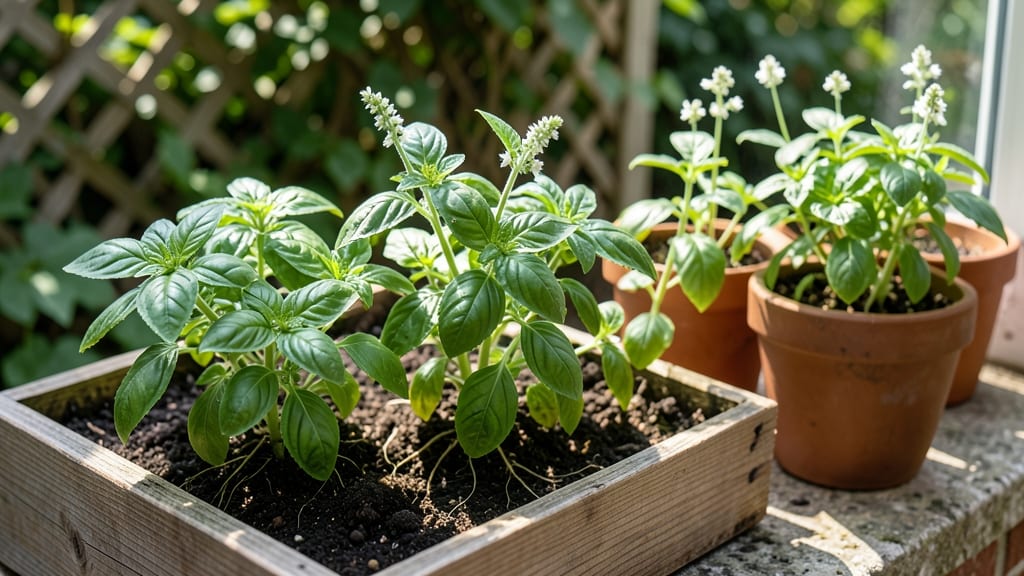
That question about how tall will basil grow might seem simple, but the answer depends more on your growing conditions than you think. Whether you're dreaming of a compact kitchen herb or a towering basil bush, understanding the factors at play can make all the difference in your garden.
Most basil varieties—like the classic Sweet Basil—typically reach 12 to 24 inches when given the right care. But here’s the twist: sunlight, pruning habits, and even your container size can turn a 12-inch plant into a 3-foot giant (or keep it neatly trimmed).
Let’s break down what influences your basil’s height and how you can control it.
If you’ve ever wondered why your basil suddenly shot up like a weed or stayed stubbornly short, the answer lies in a mix of genetics and environment.
Some varieties, like dwarf basil, stay under 12 inches, while others, like Genovese, can stretch toward 2 feet—or even more if left unchecked. The key is knowing how to guide its growth.
Ready to grow basil that fits your space perfectly? I’ll show you exactly how to encourage the ideal height—whether you want a bushy, compact plant or a tall, productive harvest. Let’s get started!


Basil height by variety: compact vs. towering types
If you're growing basil for your kitchen garden, the variety you choose directly impacts how tall your plant will grow. Some stay as compact as 6 inches, while others reach nearly 3 feet tall.
The key difference? Genetics, growth habits, and how you care for them. Let me break down the most popular basil types and their mature heights so you can pick the perfect fit for your space.
For dwarf varieties, think of Genovese Compact or Spicy Globe—both max out around 12 inches, making them ideal for windowsill gardens or small pots. These are perfect if you want bushy growth with plenty of leaves without the height.
On the other end of the spectrum, standard varieties like Sweet Basil or Mammoth Basil can easily reach 24 inches or more, especially if given full sun and minimal pruning.
Here’s the visual breakdown of what to expect from popular basil varieties, so you can plan your garden layout accordingly. Whether you’re growing in containers or garden beds, knowing these heights will help you avoid overcrowding and maximize your harvest.
| Variety | Mature Height | Growth Habit | Best For |
|---|---|---|---|
| Genovese Compact | 6–12 inches | Bushy, compact | Windowsills, small pots |
| Spicy Globe | 12–18 inches | Round, dense | Container gardens, pesto |
| Sweet Basil | 18–24 inches | Tall, upright | Garden beds, large pots |
| Mammoth Basil | 24–36 inches | Tall, sturdy | Large gardens, vertical supports |
| Thai Basil | 12–18 inches | Medium, bushy | Asian dishes, containers |
If you’re growing basil in containers, choose a dwarf or semi-dwarf variety to avoid root-bound issues. Containers limit root growth, which can stunt your plant’s height—but it also means you’ll need to prune more frequently to encourage bushier growth.
For garden beds, taller varieties like Mammoth Basil thrive when given space, but they’ll need support stakes if they get too top-heavy, especially in windy areas.
Pro tip: If you love the flavor of Sweet Basil but want a shorter plant, try pinching back the tips regularly. This forces the plant to branch out instead of shooting upward. I’ve seen Sweet Basil plants stay under 18 inches with consistent pruning, even when given full sun.
For indoor growers, light conditions become even more critical. Without enough sunlight, your basil will stretch toward the light, a condition called etiolation, which results in tall, leggy plants with fewer leaves.
If you’re using grow lights, keep them 6–12 inches above the plant and provide 12–16 hours of light daily to maintain a compact shape.
One of the most common mistakes I see is assuming all basil varieties grow the same height. Genovese Compact won’t reach the same height as Mammoth Basil, no matter how much you water it.
Always check the seed packet or plant tag for mature height expectations before planting. This simple step can save you from crowding issues or disappointed expectations later.
If you’re growing basil for culinary purposes, consider your harvest needs. Taller varieties like Mammoth Basil produce more leaves but may require trellising to keep them upright. Shorter varieties are easier to harvest from pots but may need more frequent pruning to keep them productive.
Think about how you’ll use your basil—whether for pesto, salads, or garnishes
How light conditions dramatically affect basil growth height
Light isn’t just fuel for basil—it’s the architect of your plant’s height. Too much direct sun can stretch stems uncontrollably, while partial shade encourages a stockier, bushier form.
Think of sunlight as a dial: turn it up for taller plants (great for harvest efficiency), or dial it down for compact growth (ideal for windowsill pots). The key lies in understanding how photosynthesis and stem elongation respond to light intensity.
Basil plants grown in full sun (6+ hours/day) often reach their maximum height potential—typically 18-24 inches—because they stretch toward the light. This vertical growth is nature’s way of maximizing leaf exposure, but it can make plants top-heavy and leggy.
On the flip side, partial shade (3-4 hours/day) triggers shorter, thicker stems by slowing elongation hormones. My Genovese basil in a north-facing pot stayed under 12 inches while producing just as many leaves!
Here’s the science: basil produces auxin, a growth hormone that elongates stems when light is limited or uneven. If your basil leans toward a window, it’s not just stretching—it’s actively growing taller to reach light.
To counteract this, I rotate my pots weekly so all sides get equal exposure. This trick keeps my Sweet Basil at a consistent 16 inches instead of lopsided and 2 feet tall.
Seasonal light changes also play a role. In summer’s intense sun, basil grows faster but may need afternoon shade to prevent sunburned leaves. During overcast spring days, growth slows, and stems stay shorter—perfect for bushier harvests.
I’ve even used reflective surfaces (like white trays under pots) to bounce extra light onto my basil, which boosted leaf production without extra height.
Pro tip: If you want taller basil for easy harvesting, place it in a south-facing spot. For compact, bushy basil (ideal for small spaces), move it to a west-facing windowsill or use a light diffuser.
The right light strategy can halve your basil’s height or double its harvest potential—all without changing the plant’s genetics!
Remember, light quality matters too. While direct sunlight fuels growth, bright indirect light (like a south-facing window with sheer curtains) can also work for controlled height. Test different spots in your garden or home to find the sweet spot for your basil’s ideal height.