
Plants
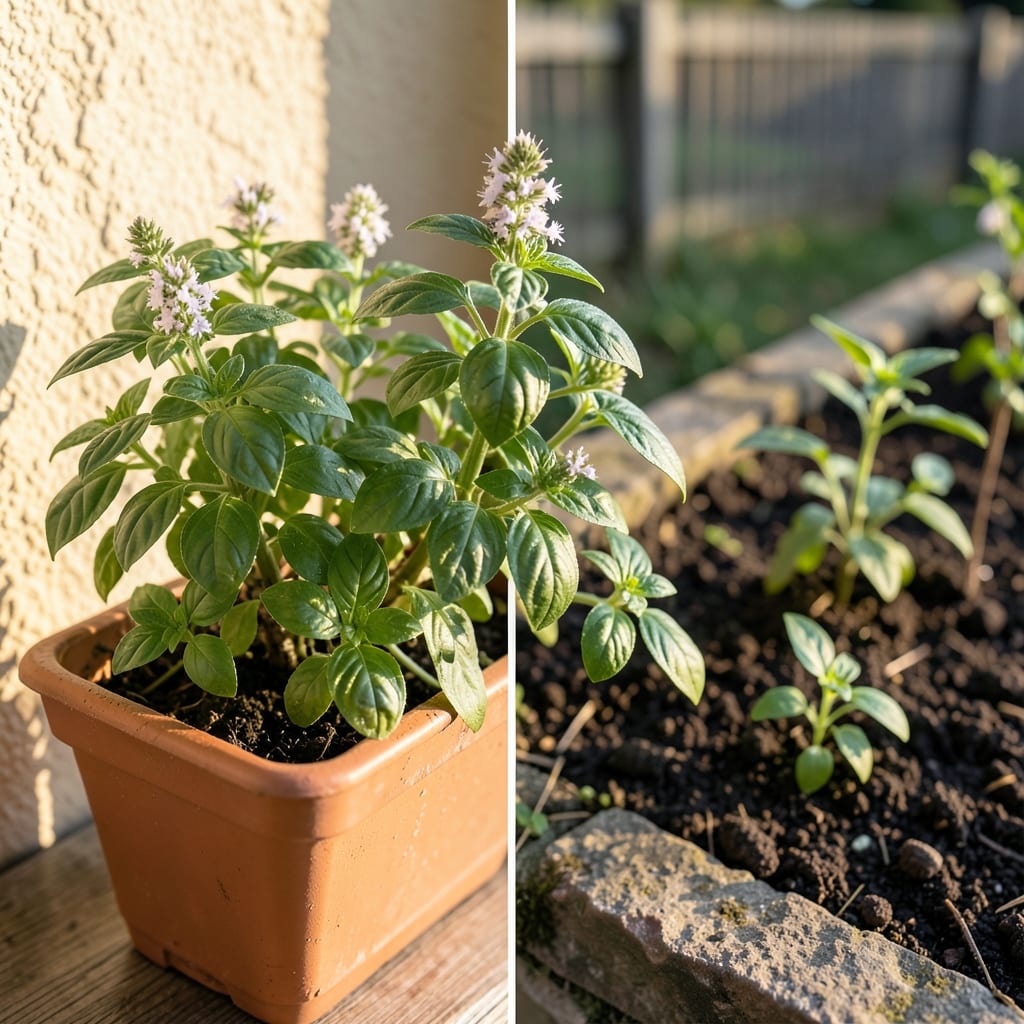
If you’ve ever glanced at your basil plant and wondered just how tall it can grow, you’re not alone. The answer isn’t as simple as you’d think—because this herb 🌿 can range from a compact 6-inch bush to a towering 2-foot giant, depending on the variety and how you care for it.
Most gardeners assume basil stays small, but without the right pruning techniques, it can stretch far beyond your expectations. The key to controlling its height lies in understanding your specific variety and how sunlight, soil, and harvesting habits influence growth. Whether you’re growing Genovese for pesto or Thai basil for curries, knowing these tricks will keep your plant productive and manageable.
Let’s break down the height ranges for popular basil types and share the pruning secrets that’ll help you keep your plant at your ideal height. You’ll learn how to encourage bushier growth, fix leggy stems, and even support taller varieties without sacrificing flavor or yield.
Ready to turn your basil from a floppy mess into a thriving, height-controlled powerhouse? The answers are just a few paragraphs away.

Basil plant height by variety: from compact to towering giants
Basil isn’t just one-size-fits-all—its height can swing wildly depending on the variety. Some stay compact enough for windowsill gardens, while others stretch toward the sky like sun-seeking giants. Understanding these differences helps you choose the perfect basil for your space, whether you’re growing in containers or garden beds.
Most gardeners assume all basil plants reach 18–24 inches, but dwarf varieties like Spicy Globe barely top 6 inches, while Thai basil can soar to 3 feet or more. The key? Variety selection and growth habits. Let’s break down the height spectrum so you can pick—or prune—for your ideal plant size.
🌱 Visual Guide to Basil Heights
| Variety | Mature Height | Growth Habit | Best For |
|---|---|---|---|
| Genovese | 18–24" | Upright, bushy | Containers, pesto |
| Thai (Holy) | 24–36" | Tall, leggy | Garden beds, stir-fries |
| Purple Ruffles | 12–18" | Compact, bushy | Windowsills, ornamental |
| Lemon | 12–20" | Medium, upright | Containers, desserts |
| Spicy Globe | 6–12" | Dwarf, rounded | Windowsills, gifts |
If you’re growing basil in containers, dwarf varieties like Spicy Globe or Purple Ruffles thrive in 6-inch pots, while taller types need 12-inch containers to prevent root binding. For garden beds, space Genovese 12–18 inches apart and Thai basil 24 inches apart to avoid overcrowding.
Some gardeners swear by bush basil varieties because they stay shorter and produce more leaves. These are genetically bred to stay under 12 inches, making them ideal for small-space gardening. The trade-off? They may yield slightly less than taller varieties, but their compact size makes up for it in convenience.
Light also plays a role—full sun (6+ hours daily) encourages taller growth, while partial shade keeps plants shorter but may reduce leaf production. If your basil starts stretching toward the light, it’s time to adjust its location or prune to control height.
Pro tip: Dwarf varieties often have slower growth rates, so they’re perfect for beginners. Taller types like Thai basil grow faster but need staking or pruning to stay manageable. Choose based on your garden layout and how much maintenance you’re willing to invest.
For indoor growers, stick to compact varieties like Lemon basil or Purple Ruffles. Place them near a south-facing window or under grow lights to prevent leggy growth. If your basil starts reaching for the sky, it’s not getting enough light—adjust its spot immediately.
Remember, basil’s height isn’t set in stone. With the right pruning techniques (which we’ll cover next), you can coax even tall varieties to stay within bounds. The key is consistency—check your plants weekly and adjust as they grow.
How pruning affects basil height: the science behind controlling growth
Pruning isn’t just about keeping your basil looking neat—it’s the secret weapon for controlling height and boosting leaf production. When you pinch back or harvest leaves regularly, you trigger a biological response that makes your plant bushier and shorter. Without pruning, basil grows tall and leggy, prioritizing flower production over leaf growth. The science? Removing the top growth encourages lateral shoots to form, creating a fuller plant with more harvestable leaves.
Many gardeners make the mistake of letting basil grow "wild" for bigger harvests, but this actually backfires. Unpruned basil directs energy toward flowering and seed production, leaving you with fewer leaves and a taller, weaker plant. The key is to prune at the right time—when the plant has at least 6 true leaves—and keep it trimmed throughout its growing season. This ensures you get both height control and maximum yield.
🌱 When to Prune for Compact Growth
⚠️ Pruning Warning: Never prune more than 1/3 of the plant at once. Over-pruning stresses basil and can stunt growth. Instead, make small cuts every 2–4 weeks to encourage steady, bushy development.
⚠️ Avoid: Pruning too late in the season (after first frost). Basil needs time to recover before cold weather sets in.
✅ Do: Harvest leaves in the morning when oils are at their peak for flavor and growth.
For taller varieties like Thai basil, pruning is even more critical. Without regular trimming, these plants can reach 3 feet or taller, becoming top-heavy and prone to falling over. To manage height, focus on pinching back the top sets of leaves when the plant is young. This redirects energy to side shoots, creating a sturdier, more compact structure. For dwarf varieties, pruning is less critical but still beneficial—it encourages denser foliage and prevents the plant from becoming sparse.
Light also plays a role in how pruning affects height. If your basil is growing leggy despite pruning, it’s likely not getting enough sunlight. Move it to a sunnier spot (6+ hours of direct light daily) and pair that with regular pruning. The combination of proper light and pruning will keep your plant both short and productive. Think of pruning as a way to "train" your basil—guide its growth by removing unwanted stems and encouraging the structure you want.
One common myth is that pruning reduces yield, but the opposite is true. Studies show that pruned basil produces 30–50% more leaves than unpruned plants over the same growing season. The reason? Instead of putting energy into tall stems and flowers, the plant focuses on leaf growth. For example, a Genovese basil plant left unpruned might reach 24 inches with sparse leaves, while the same plant pruned regularly stays around 18 inches but produces twice as many leaves.
If you’re growing basil in containers, pruning is especially important to prevent root binding and overcrowding. Regular pruning ensures air circulates better, reducing the risk of fungal diseases like downy mildew. For garden beds, pruning helps maintain spacing between plants, giving each one room to thrive without competing for nutrients. Whether you’re growing in pots or the ground, pruning is the single most effective way to control height and maximize your harvest.