
How To
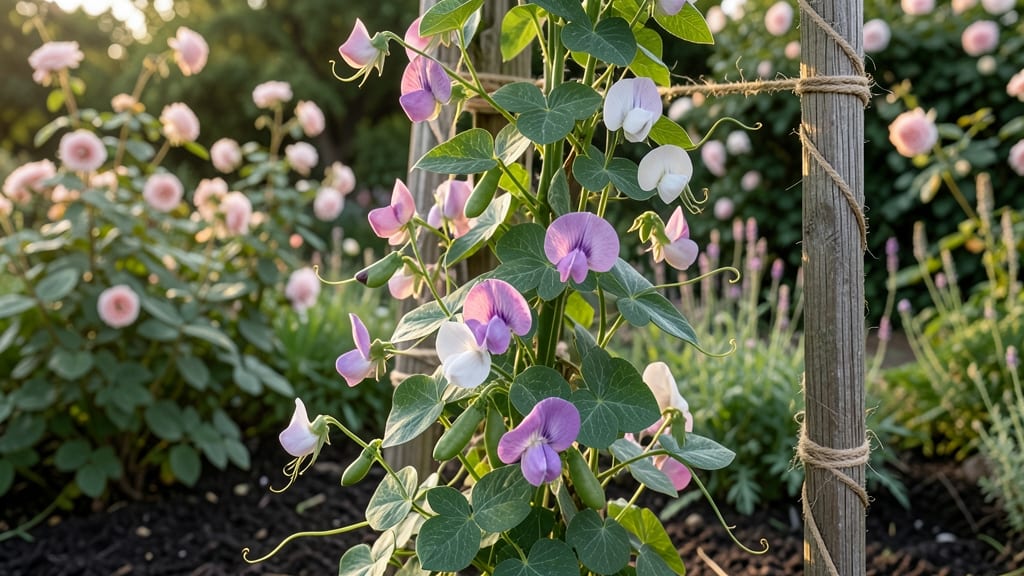
If you're dreaming of a vertical garden bursting with fragrant 🌸 sweet peas, knowing how tall sweet pea grows is the first step to planning your perfect trellis setup.
These charming climbers can reach anywhere from 3 feet for dwarf varieties to a stunning 8 feet for the tallest types—but without the right support, their full potential stays hidden.
Why does height matter so much? Because the wrong trellis height can mean the difference between a lush, cascading display and plants struggling to reach their blooming potential.
I’ve seen gardeners spend hours installing 10-foot trellises only to realize their sweet peas would have thrived on a much shorter structure—wasting both space and effort.
In this guide, I’ll break down exactly how tall different sweet pea varieties grow, which types need the most support, and how to choose the perfect trellis height for your garden.
Whether you’re working with dwarf varieties or aiming for towering climbers, these insights will help you create a support system that maximizes blooms and minimizes frustration.
Ready to transform your garden into a sweet pea paradise? Let’s dive into the varieties, trellis tips, and care secrets that will have your vines reaching new heights—literally.


Sweet pea height by variety: tallest vs shortest climbers compared
Sweet peas are fast-growing climbers that can transform your garden into a fragrant vertical garden, but their height depends entirely on the variety you choose. Some dwarf types barely reach your waist, while giant varieties can climb taller than a basketball hoop.
Understanding these differences helps you select the perfect sweet peas for your space and trellis setup.
I’ve grown dozens of varieties over the years, and the height differences are staggering. A dwarf sweet pea like 'Tom Thumb' might only reach 3 feet tall, while a giant climber like 'Cupani' can soar to 10+ feet with proper support.
The key is matching your garden layout and trellis height to the variety’s growth potential.
Here’s how the most popular sweet pea varieties stack up in height, along with their ideal trellis recommendations to maximize growth and bloom exposure:
| Variety | Height Range | Trellis Height Recommendation | Best For |
|---|---|---|---|
| 'Tom Thumb' | 1–3 ft | 2–3 ft stake or small obelisk | Containers, small gardens, borders |
| 'Dwarf Mix' | 2–4 ft | 4 ft trellis or fence | Front of beds, window boxes |
| 'Cupani' | 8–10+ ft | 10+ ft tall trellis or pergola | Large gardens, arbors, fences |
| 'Spencer' | 6–8 ft | 8 ft trellis or obelisk | Vertical gardens, trellises, arbors |
| 'Blue Moon' | 5–7 ft | 6–7 ft trellis | Cut flowers, cottage gardens |
| 'Painted Lady' | 4–6 ft | 5–6 ft trellis or fence | Mixed borders, trellises |
If you’re working with limited vertical space, dwarf varieties like 'Tom Thumb' or 'Dwarf Mix' are perfect for containers or small gardens. They thrive on 2–4 foot stakes and produce abundant blooms without overwhelming your space.
My go-to for window boxes is 'Dwarf Mix'—it cascades beautifully and stays contained.
For maximizing height and drama, varieties like 'Cupani' or 'Spencer' are unbeatable. These giants need 10-foot trellises or pergolas to reach their full potential. I once grew 'Cupani' on a 12-foot arbor, and the lavender-blue blooms created a stunning canopy that lasted all summer.
Just ensure your trellis is sturdy and wide enough to support the weight.
Pro tip: Semi-dwarf varieties like 'Blue Moon' or 'Painted Lady' strike a balance, typically reaching 5–7 feet. They’re ideal for small to medium gardens where you want height without committing to a 10-foot structure. Pair them with a 6-foot obelisk for a clean, vertical display.
One common mistake I see is underestimating trellis height. Sweet peas keep growing once they start climbing, and their vines can outgrow even tall trellises if given enough time.
Always err on the side of extra height—a 7-foot trellis for a 6-foot variety ensures your plants have room to sprawl and thrive.
Finally, remember that height isn’t the only factor. Some varieties, like 'Cupani', produce fewer but larger blooms, while dwarf types like 'Tom Thumb' offer prolific, smaller flowers. Choose based on your aesthetic goals, whether that’s a romantic arbor or a colorful container display.
Sweet pea height by variety: tallest vs shortest climbers compared
Sweet peas come in a stunning range of heights, from compact dwarf varieties perfect for small gardens to towering climbers that can reach the eaves of your house.
The height of your sweet peas isn’t just about aesthetics—it directly impacts how you support them and where you plant them in your garden layout.
For example, my Cupani sweet peas last year shot up to 10 feet with proper care, while my dwarf varieties like 'Tom Thumb' stayed cozy at just 2-3 feet. This dramatic difference means choosing the right variety—and trellis—is crucial for happy plants and a well-organized garden.
🌸
| Variety | Mature Height | Trellis Recommendation | Best For |
|---|---|---|---|
| Cupani | 10–12 ft | Tall obelisk or freestanding trellis | Large gardens, fences, or pergolas |
| Spencer | 6–8 ft | 6–8 ft tall trellis or stakes | Standard gardens, trellises, or arbors |
| Dwarf (e.g., 'Tom Thumb') | 2–3 ft | Low stakes or small obelisks | Containers, window boxes, or small spaces |
| Painted Lady | 5–7 ft | 5–6 ft trellis or fence support | Mixed borders or medium-height trellises |
| Blue Moon | 7–9 ft | 7–9 ft tall trellis or tall stakes | Vertical gardens or tall structures |
If you’re growing tall varieties like Cupani or Blue Moon, invest in a freestanding trellis or let them climb a sturdy fence. For dwarf types, even a simple 3-foot stake will give them the support they need without taking up too much space.
Pro tip: Always plant your sweet peas 6–8 inches away from the trellis to encourage strong vine growth toward the support. I’ve seen vines flop over when planted too close, no matter how tall they are!
🌿
Remember, soil quality and sunlight exposure also play a role in how tall your sweet peas grow. Even the tallest varieties may struggle to reach their full potential if they’re planted in shady spots or poor soil.
Next up, I’ll show you how to choose the perfect trellis height for your specific varieties and garden layout.