
How To
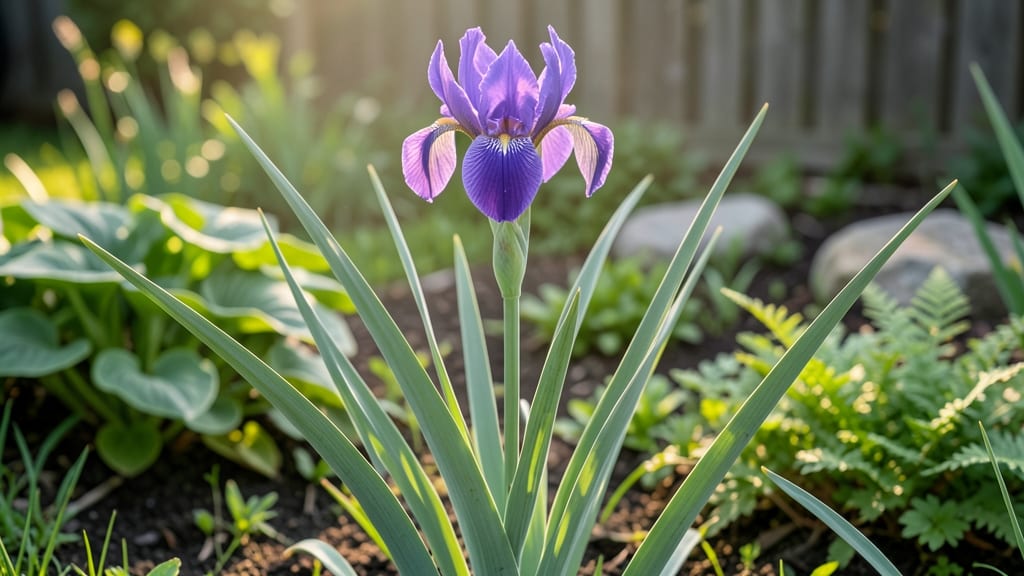
Siberian iris height guide: variety-specific growth ranges explained
Siberian iris (Iris sibirica) are prized for their vibrant blooms and easy-care nature, but their height can vary dramatically depending on the variety and growing conditions.
On average, these perennials reach 2 to 3 feet tall at maturity, but some dwarf varieties stay under 18 inches, while taller selections can stretch toward 36 inches. Understanding these differences helps you choose the perfect fit for your garden beds or containers.
Unlike bearded iris, which often grow 2 to 4 feet tall, Siberian iris tend to be more compact yet equally striking. Their slender stems and delicate blooms create a graceful vertical presence that works beautifully in border plantings or as back-of-bed accents.
Let’s break down the height ranges by popular varieties so you can plan your garden layout with confidence.
🌸 Siberian Iris Height Comparison
| Variety | Mature Height | Bloom Color | Notes |
|---|---|---|---|
| Caesar’s Brother | 2.5–3 ft | Deep purple | Tallest variety; ideal for back borders |
| White Swan | 2–2.5 ft | Pure white | Classic choice; great for cottage gardens |
| Kis | 1.5–2 ft | Soft lavender | Semi-dwarf; perfect for containers |
| Jacqueline | 2–2.5 ft | Blue-violet | Early bloomer; attracts pollinators |
| Dwarf varieties (e.g., 'Little Spice') | 1–1.5 ft | Purple, yellow, or white | Ideal for rock gardens or front borders |
While most Siberian iris mature between 2 and 3 feet, their first-year growth is often more modest. In their initial season, expect heights of 12 to 18 inches as they establish roots.
By year two or three, they’ll reach their full height potential, provided they receive adequate sunlight and well-draining soil. This gradual growth makes them a low-maintenance choice for gardeners who want long-term impact without annual replanting.
If you’re comparing Siberian iris to other iris types, note that bearded iris typically grow taller (3–4 feet), while Japanese iris often stay shorter (2 feet).
Siberian iris strike a balanced height, making them versatile for mixed borders, woodland gardens, or even urban containers. Their clumping habit also allows for easy division every 3 to 4 years, which can help control their spread if needed.
For gardeners in USDA zones 3–8, Siberian iris thrive in cool climates and can even tolerate light frost. In warmer zones (9–10), their height may be slightly reduced due to heat stress, but they’ll still produce abundant blooms if given morning sun and afternoon shade.
This adaptability makes them a fantastic choice for a wide range of gardens.
When planning your garden layout, consider pairing taller varieties like 'Caesar’s Brother' with shorter perennials such as coral bells (Heuchera) or foamflower (Tiarella). This creates a layered effect that highlights the iris’s vertical presence while adding texture and color contrast.
For container gardening, dwarf varieties like 'Little Spice' shine in 12-inch pots paired with ferns or hostas.
One common misconception is that Siberian iris need rich, fertile soil to reach their full height. While they do prefer well-draining, slightly acidic soil (pH 6.0–7.0), they’re surprisingly tolerant of average garden soil. Over-fertilizing can actually reduce bloom production and stunt height
How light conditions affect Siberian iris height and bloom production
Light is the secret weapon for coaxing your Siberian iris to reach its full height potential. These plants thrive in full sun, but too little light can leave them leggy and weak, while too much can stress them in hot climates.
The ideal balance depends on your USDA zone and local climate.
In full sun (6+ hours daily), Siberian iris typically grow 2.5–3 feet tall with robust stems and abundant blooms. However, in partial shade, stems may stretch toward light, reaching up to 4 feet but producing fewer flowers. Understanding this helps you position them strategically in your garden.
Here’s how sunlight impacts their growth:
- Full Sun (6+ hours/day)
- Partial Shade (3–6 hours/day)
- Low Light (<3 hours/day)
For hot climates (Zones 8–10), provide afternoon shade to prevent leaf scorch while still ensuring morning sun. In cooler zones (Zones 3–6), full sun is ideal, but mulch heavily to protect rhizomes in winter.
Pro tip: If your garden has west-facing exposure, use shade cloth (30–50%) to filter harsh afternoon rays. This maintains height while protecting delicate foliage.
Monitor your plants’ response: Dark green leaves and upright stems mean they’re happy. Yellowing or flopping signals either too much shade or overwatering in low-light conditions.