
How To
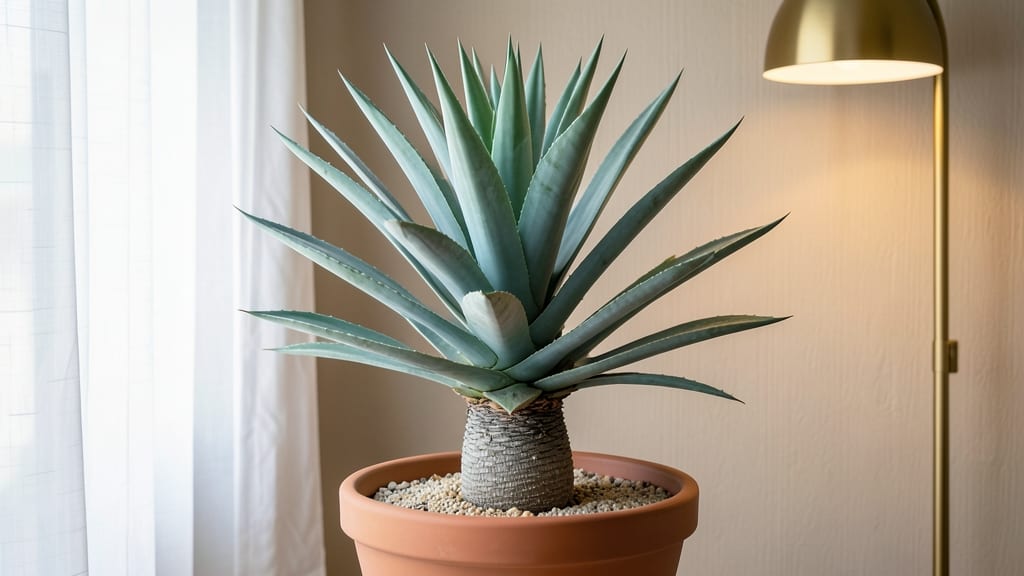
Yucca cane height by variety: from compact to sky-high
Yucca canes vary wildly in height, from 3-foot shrubs perfect for containers to 20-foot giants that dominate landscapes. The key difference lies in the species—some grow as single stems while others form clumping bases.
I’ll break down the most popular varieties so you can pick the perfect fit for your space, whether it’s a balcony or a backyard oasis.
For small spaces, varieties like Yucca filamentosa (Adam’s needle) stay between 2-4 feet tall, making them ideal for borders or containers. Meanwhile, Yucca elephantipes (spineless yucca) can soar to 15-20 feet—think of it as a living sculpture that thrives in Mediterranean climates.
Your choice depends on sunlight, soil, and how much vertical drama you’re willing to embrace!
🌵
| Variety | Mature Height | Growth Rate | Spacing Needs |
|---|---|---|---|
| Yucca filamentosa | 2–4 ft | Slow to moderate | 3–4 ft apart |
| Yucca elephantipes | 10–20 ft | Moderate (3–5 ft/year) | 8–10 ft apart |
| Yucca rostrata | 10–15 ft | Slow (1–2 ft/year) | 6–8 ft apart |
| Yucca gloriosa | 3–6 ft | Moderate (2–3 ft/year) | 3–5 ft apart |
| Yucca brevifolia | 12–15 ft | Very slow (6 in/year) | 10–12 ft apart |
If you’re planning a garden layout, spacing is critical. For example, Yucca elephantipes needs 8–10 feet of clearance to avoid shading out nearby plants.
I once planted one too close to a rose bush—by year three, the yucca cast a shadow for 12 hours a day, and the roses struggled to thrive. Pro tip: Measure twice before planting!
For containers, dwarf varieties like Yucca filamentosa ‘Color Guard’ (3–4 feet) are your best bet. Use pots with drainage holes and well-draining soil to prevent root rot. I’ve grown yuccas in 15-gallon containers for years with minimal height restrictions—just repot every 2–3 years to refresh the soil.
🪴
Another factor to consider is growth rate. Yucca rostrata (Spanish dagger) grows at a snail’s pace—only 1–2 feet per year—while Yucca elephantipes can shoot up 3–5 feet annually if given ideal conditions.
If you’re impatient, the spineless yucca will reward you with rapid vertical growth, but be prepared for pruning if it outgrows your space.
For arid climates, native varieties like Yucca brevifolia (Joshua tree) are built for endurance. These canes grow 12–15 feet tall but thrive on minimal water and poor soil.
I’ve seen them survive in 100°F heat with only monthly rain. If you’re in a dry region, this is the ultimate low-maintenance giant.
🌡️
Lastly, don’t overlook clumping vs. single-stem habits. Yucca gloriosa forms tight clusters, while Yucca elephantipes grows as a single trunk. If you want a full, bushy look, go for clumping types. For a tall, sculptural statement, single-stem varieties deliver dramatic height without the bulk.
Yucca cane height by variety: from compact to sky-high
Yucca canes vary wildly in height, with some varieties staying under 3 feet while others shoot up to 20 feet—or even taller! The Yucca elephantipes (spineless yucca) is the classic "tree-like" yucca, often reaching 10-15 feet in ideal conditions.
Meanwhile, Yucca filamentosa (Adam's needle) typically stays between 3-6 feet, perfect for smaller gardens.
If you're working with limited space, Yucca rostrata (Spanish dagger) is a stunning but more compact option, growing 6-10 feet tall with striking sword-like leaves.
For true giants, Yucca baccata (datil yucca) can surpass 15 feet in desert climates, while Yucca whipplei (Our Lord's candle) tops out around 8-12 feet.
| Variety | Mature Height | Growth Rate | Spacing Needs |
|---|---|---|---|
| Yucca elephantipes | 10–15 ft | Slow to moderate | 8–10 ft apart |
| Yucca filamentosa | 3–6 ft | Moderate | 4–6 ft apart |
| Yucca rostrata | 6–10 ft | Slow | 6–8 ft apart |
| Yucca baccata | 10–20 ft | Moderate | 10–12 ft apart |
| Yucca whipplei | 8–12 ft | Slow | 6–8 ft apart |
For container gardening, dwarf varieties like Yucca recurvifolia (canyon yucca) stay under 4 feet and thrive in pots. Always check your USDA hardiness zone—most yuccas prefer zones 5-11, but Yucca baccata can handle zone 4 with proper winter protection.
Height isn't just about variety—soil quality and sunlight exposure play huge roles. Yuccas in full sun (6+ hours daily) grow taller faster, while those in partial shade may stay shorter but denser.
Poor soil drainage can stunt growth entirely, so amend clay soil with gravel or sand for optimal results.
If you're planning a privacy screen or windbreak, Yucca elephantipes or Yucca baccata are excellent choices—their height and drought tolerance make them low-maintenance giants. Just be prepared for their aggressive root systems if planted near foundations or sidewalks!
🌵