
How To
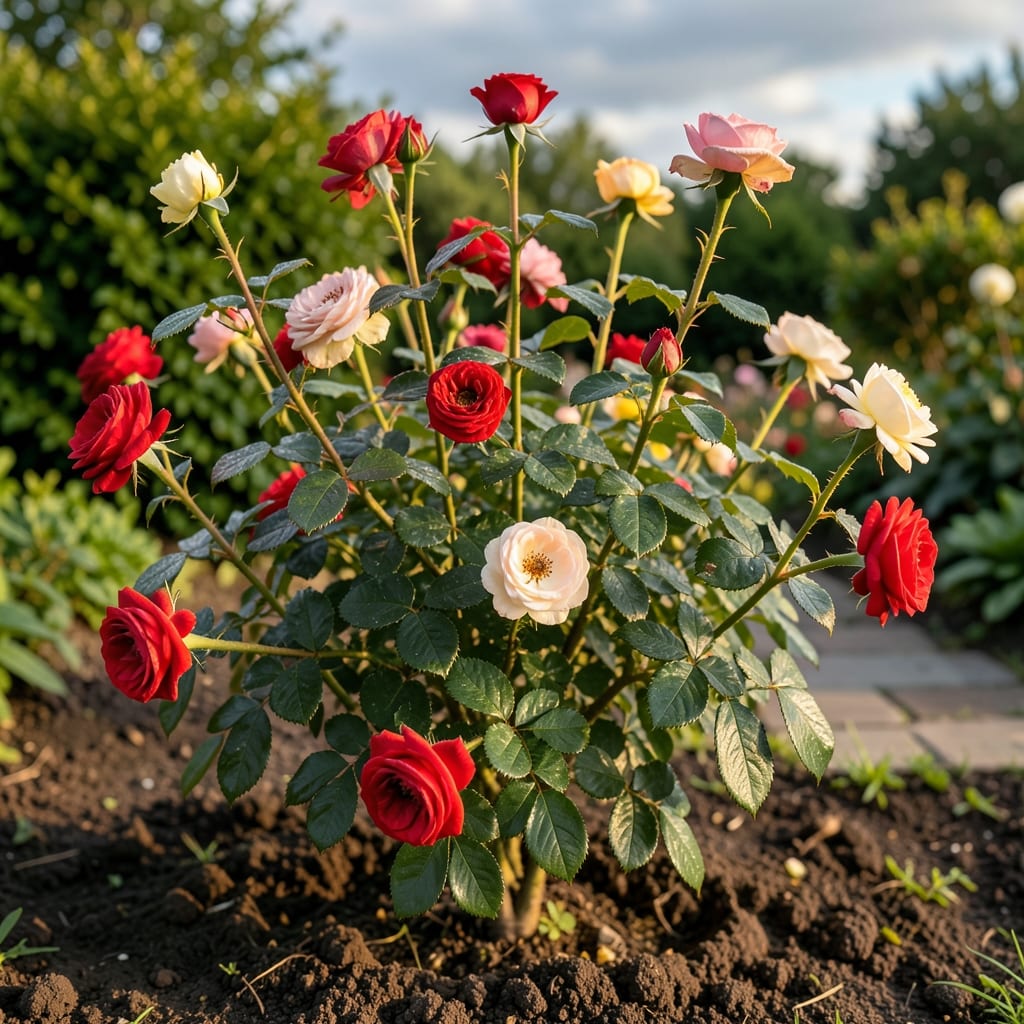
If you’ve ever wondered how tall can a rose bush grow in your garden, the answer isn’t one-size-fits-all—it depends entirely on the variety you choose. Some roses stay compact, perfect for small spaces, while others can climb 20 feet or more with the right support. Knowing the difference can mean the gap between a neatly trimmed hedge and a wild, sprawling vine overtaking your fence.
Whether you’re dreaming of a romantic trellis or a low-maintenance border, understanding your rose’s growth potential is key. I’ll break down the height ranges for popular types—from dainty miniatures to towering climbers—and share the secrets to controlling their size. No more guessing whether your 🌹 rose bush will stay small or shoot up unexpectedly.
Pruning plays a huge role in shaping your rose’s height, and timing matters just as much as technique. Learn when to trim for blooms versus height control, plus how to avoid common mistakes that stunt growth. By the end, you’ll know exactly how to guide your roses to the perfect height for your garden’s vision.
Ready to transform your space with roses that fit your design? Let’s dive into the varieties, pruning tips, and pro tricks to get the height you want—without the headaches. Your garden’s next star feature starts here.


Rose bush height by variety: from miniature to climbing giants
Choosing the right rose variety is the first step to controlling your garden’s vertical design. Some roses stay under 3 feet, perfect for window boxes, while others can climb 20 feet or more with proper support. The key is matching your garden space and vision to the rose’s natural growth habit.
I’ve grown everything from miniature roses in containers to climbing roses on my backyard trellis, and the difference in care—and space requirements—is dramatic. Let’s explore the height ranges for the most popular types so you can pick the perfect rose for your space.
🌹
For example, the ‘Fairy’ miniature rose stays under 2 feet, making it ideal for hanging baskets, while the ‘New Dawn’ climber can reach 15 feet if given a sturdy trellis. Even within categories, heights vary—some floribundas like ‘Iceberg’ max out at 4 feet, while others like ‘Julia Child’ can hit 6 feet.
If you’re working with limited space, dwarf varieties like ‘Bonica’ (3–4 ft) or ‘Playboy’ (2–3 ft) are excellent choices. These roses thrive in containers or small garden beds without requiring heavy pruning to control their size.
On the other hand, if you’re dreaming of a romantic garden arch, climbing roses like ‘Blaze’ or ‘Zephirine Drouhin’ will deliver dramatic vertical interest. These varieties need strong support structures and regular pruning to encourage upward growth rather than sprawling habits.
One common mistake I see is assuming all roses grow to 6 feet. In reality, hybrid teas often stay in that range, but shrub roses can easily double that height. Always check the mature height on the rose’s tag or description before purchasing to avoid surprises.
🌿
Another factor to consider is growing conditions. Roses in full sun (6+ hours daily) and well-draining soil will grow taller and healthier than those in shade or poor soil. For instance, my ‘Knock Out’ rose in a sunny spot hit 5 feet in its second year, while the same variety in partial shade stayed under 4 feet.
Finally, remember that pruning habits can adjust a rose’s height by up to 30%. Heavy pruning in early spring can keep a climbing rose at 10 feet instead of its potential 20 feet. I’ll cover pruning techniques in detail in the next section, but for now, know that your shears play a big role in shaping your rose’s height.
✂️
How pruning affects rose bush height: techniques for controlling growth
Pruning isn’t just about keeping your roses looking tidy—it’s the secret weapon for controlling their height. The right cuts at the right time can encourage your rose bush to stay compact or climb higher, while wrong moves can stunt growth or invite disease. Think of pruning as sculpting: you shape the plant’s future height with every snip.
Timing is everything. Prune too early, and you risk delaying blooms or exposing the plant to cold stress. Prune too late, and you might trigger unwanted late-season growth that won’t harden off before winter. Most gardeners aim to prune in early spring, just as new growth begins—but the exact timing depends on your rose’s variety and your climate zone.
For height control, focus on cutting back 1/3 of the plant’s height in late winter or early spring. This encourages bushier growth and prevents leggy stems. If you want your rose to reach its maximum height, like a climbing variety, avoid heavy pruning and instead train stems along a trellis or fence. The key is balance: prune enough to shape the plant but not so much that you sacrifice blooms.
| Pruning Goal | Best Time | Technique | Result |
|---|---|---|---|
| Compact Height | Early Spring | Cut back 1/3 of height; remove dead wood | Bushier growth, 3-5 ft tall |
| Maximize Blooms | Late Winter | Prune to open center; remove crossing branches | Fuller blooms, 4-6 ft tall |
| Encourage Climbing | Spring & Summer | Minimal pruning; train on trellis | 10-20+ ft tall with support |
One common mistake is pruning too aggressively in fall. This can leave your rose vulnerable to frost damage and reduces next year’s blooms. Instead, do a light cleanup in late fall, removing only dead or diseased wood. Save the heavy pruning for spring when the plant is ready to rebound.
Tools matter too. Use clean, sharp pruners to make precise cuts at a 45-degree angle, about 1/4 inch above a bud. Dull tools crush stems, inviting infection. And always disinfect your pruners with rubbing alcohol between cuts to prevent spreading disease from one part of the plant to another.
Finally, don’t forget to water deeply after pruning. This helps the plant recover faster and encourages strong new growth. Pair your pruning with a balanced fertilizer (like 10-10-10) to give your roses the nutrients they need to bounce back—and grow exactly how you want them to.