
Flowers
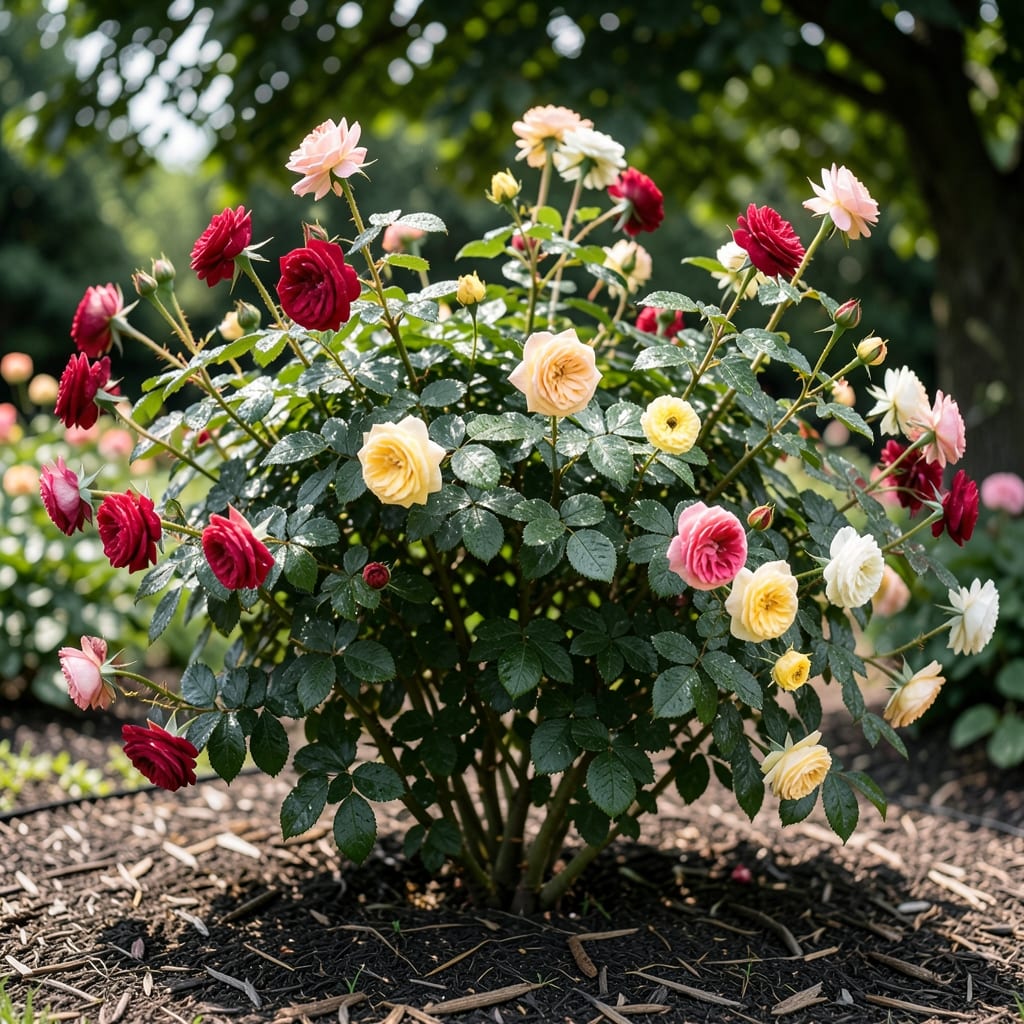
If you’ve ever wondered how tall can a rose grow, the answer might surprise you—some varieties stretch taller than a basketball hoop, while others stay small enough to fit in a hanging basket! The secret lies in understanding the incredible range of rose heights and how to nurture them for the perfect size.
Whether you’re dreaming of a romantic climbing rose arching over your patio or a compact 🌹 for a window box, choosing the right variety is just the beginning. Pruning techniques, soil quality, and even your climate zone play a huge role in shaping how tall your roses will grow. Let’s break down the tallest, shortest, and everything in between so you can pick—and grow—the perfect rose for your space.
Did you know some roses can reach 10 feet or more while others barely top 1 foot? The key to managing their height isn’t just luck—it’s knowing which pruning methods work best for each type. From delicate miniatures to bold climbers, we’ll cover the growth secrets so you can train your roses to fit your vision, not the other way around.
Ready to transform your garden? I’ll walk you through the most important factors that influence rose height, including soil prep, watering schedules, and seasonal care tips. By the end, you’ll know exactly how to encourage the perfect size—whether you want a towering trellis or a dainty patio display.

Rose varieties by height: from miniature to climbing giants
When planning your rose garden, height isn't just about aesthetics—it dictates your planting layout, pruning strategy, and even support structures needed. Some roses stay as short as 12 inches, while others climb to 20 feet with proper training. The key is matching your garden space with the right variety.
Let’s break down the most popular rose categories by their mature heights, including lesser-known varieties that might surprise you. Whether you have a small balcony or a large backyard, there’s a rose perfect for your space—and your vision.
🌹
| Variety Type | Height Range | Ideal Use | Examples |
|---|---|---|---|
| Miniature Roses | 12"–36" | Containers, rock gardens, fairy gardens | 'Tom Thumb,' 'Fairy Tale' |
| Shrub Roses | 3'–6' | Borders, hedges, mixed borders | 'Knock Out,' 'Dr. Huey' |
| Floribunda Roses | 2'–5' | Cut flowers, cottage gardens | 'Iceberg,' 'Julia Child' |
| Grandiflora Roses | 3'–6' | Cut flowers, focal points | 'Double Delight,' 'Queen Elizabeth' |
| Climbing Roses | 8'–20+' | Arbors, trellises, fences | 'New Dawn,' 'Blaze' |
| Hybrid Tea Roses | 3'–5' | Cut flowers, garden beds | 'Mr. Lincoln,' 'Misterioso' |
| Rambling Roses | 15'–30+' | Large trellises, pergolas | 'Rambling Rector,' 'Zéphirine Drouhin' |
Climbing roses like 'New Dawn' can reach 15–20 feet when trained properly, making them perfect for covering pergolas or arbors. Meanwhile, miniature roses like 'Tom Thumb' stay under 12 inches, ideal for window boxes or fairy gardens. Even within categories, heights vary—some shrub roses like 'Knock Out' max out at 4 feet, while others like 'The Fairy' stretch to 6 feet.
If you’re working with limited space, consider dwarf varieties or spindly climbers that can be pruned to stay compact. For example, 'Fairy Tale' miniature roses thrive in 6-inch pots on patios, while 'Blaze' climbers can be pruned to 6–8 feet for a smaller trellis.
Pro tip: Always check the mature height on the tag when purchasing roses. Nursery labels often list both expected height and spread, which is just as important for planning. A 6-foot rose with a 4-foot spread needs more space than one with a 3-foot spread.
For urban gardens or small yards, I recommend patio roses or miniature varieties. They’re just as fragrant and colorful but won’t overwhelm your space. And if you love the idea of a romantic climbing rose, start with a small trellis or obelisk to train it gradually.
🌿
How to control rose height: pruning secrets for different growth types
Pruning is the secret weapon for controlling how tall your roses grow—whether you want a compact bush or a towering climber. The right cuts at the right time can stimulate bushier growth or encourage vertical reach, depending on your goals. But timing, technique, and tool choice make all the difference. Let’s dive into the pruning strategies that’ll help you shape your roses like a pro.
First, understand that not all roses need the same pruning approach. A climbing rose like 'New Dawn' thrives with minimal cuts to encourage long canes, while a shrub rose like 'Knock Out' benefits from heavy annual pruning to stay compact. Even within a category, pruning methods vary—miniature roses need gentle trims, while rambling roses require a light-touch approach to avoid stunting their natural growth.
🌹 Step-by-Step Pruning Guide for Rose Height Control
- Step 1: Identify Your Rose Type
Climbers: Prune lightly to encourage long canes. Shrubs: Prune heavily for bushiness. Miniatures: Trim sparingly for compact growth.
- Step 2: Prune at the Right Time
Late winter/early spring (before new growth) for most roses. Ramblers: Prune immediately after flowering to avoid cutting off next year’s blooms.
- Step 3: Use the Right Tools
Sharp bypass pruners for clean cuts. Loppers for thicker stems. Disinfect tools with rubbing alcohol between cuts to prevent disease.
- Step 4: Make Clean Cuts
Cut at a 45-degree angle just above an outward-facing bud. Remove dead, diseased, or crossing branches first.
- Step 5: Shape for Your Goals
For taller growth, leave longer canes. For bushier growth, cut back stems to encourage branching. Climbers: Prune to 3-5 main stems for structure.
- Step 6: Clean Up & Mulch
Remove all pruned material from the garden. Apply 2-3 inches of mulch to retain moisture and protect roots.
One common mistake is over-pruning, which can stunt growth or leave roses vulnerable to disease. For example, cutting back a climbing rose too aggressively will reduce its ability to reach heights of 15+ feet. Conversely, under-pruning can lead to leggy, weak growth in shrub roses. The key is to balance removal with encouragement—remove up to 1/3 of the plant’s height annually for most varieties.
For climbing roses, focus on selective pruning to train them along trellises or arbors. Remove any canes that aren’t climbing in the desired direction, and prune side shoots to 3-5 leaves to encourage stronger main stems. In contrast, shrub roses like 'Dr. Huey' respond well to renewal pruning, where you cut back 1/2 to 2/3 of the plant’s height in late winter to promote dense, bushy growth.
Seasonal pruning is also critical. In spring, focus on shaping and removing dead wood. In summer, do a light maintenance trim after flowering to encourage a second bloom. And in fall, avoid heavy pruning—just remove any dead or diseased canes to prepare for winter. Pro tip: Always prune on a dry, sunny day to reduce the risk of fungal infections.
🌿