
How To
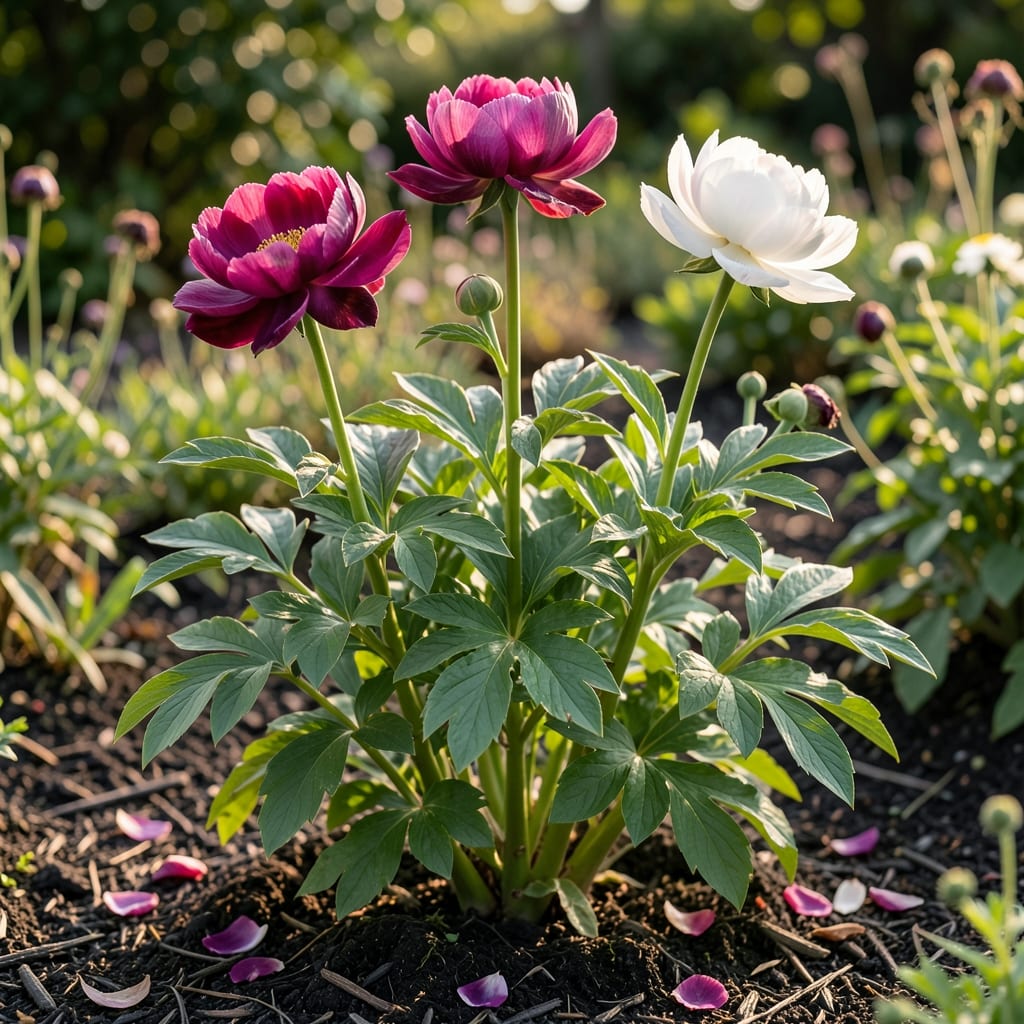
Peony variety heights: from dwarf to giant bloomers
Peonies aren’t just beautiful—they’re architectural stars in your garden, with heights ranging from 1-foot dwarf varieties to 5-foot tree peonies. Understanding these differences is key to planning your garden layout, ensuring proper sunlight exposure, and avoiding overcrowding. The three main types—herbaceous peonies, tree peonies, and intersectional hybrids—each have distinct growth habits that influence their mature size.
Herbaceous peonies, the most common type, typically reach 2 to 4 feet tall at maturity, with some compact varieties staying under 2 feet. These plants die back to the ground each winter, making them ideal for borders or mixed beds. Tree peonies, on the other hand, are woody shrubs that grow 3 to 6 feet tall and retain their foliage year-round, offering year-long interest. Intersectional hybrids blend traits of both, often reaching 3 to 5 feet with lush, long-lasting blooms.
Your garden’s design hinges on these height differences. For example, a 3-foot herbaceous peony like ‘Sarah Bernhardt’ pairs beautifully with 2-foot tall daylilies, while a 5-foot tree peony like ‘Duchesse de Nemours’ needs space near a fence or trellis to avoid shading smaller plants. Always account for mature height when spacing peonies, typically 3 to 4 feet apart for most varieties.
Sunlight needs also vary slightly by type. Tree peonies thrive in full sun to partial shade, making them versatile for sunnier or slightly shaded spots. Herbaceous peonies, however, demand 6+ hours of direct sunlight daily to produce their best blooms. If your garden has limited sun, opt for dwarf varieties like ‘Bowl of Beauty,’ which tolerates 4 to 6 hours of sun better than taller types.
Here’s a quick guide to help you visualize how peony heights translate into your garden plan. The summary-table below breaks down popular varieties by type, mature height, and ideal spacing. Use this as your blueprint to create a peony display that’s both stunning and functional.
| Type | Variety | Mature Height | Spacing Needs | Sunlight Needs |
|---|---|---|---|---|
| Herbaceous | Sarah Bernhardt | 3-4 ft | 3-4 ft apart | Full sun |
| Herbaceous | Bowl of Beauty | 2-3 ft | 2-3 ft apart | Full sun to partial shade |
| Tree | Duchesse de Nemours | 4-5 ft | 4-5 ft apart | Full sun to partial shade |
| Intersectional Hybrid | Coral Charm | 3-4 ft | 3-4 ft apart | Full sun |
| Herbaceous | Krinkled White | 2-3 ft | 2-3 ft apart | Full sun |
Note: Spacing ensures airflow and reduces disease risk. Adjust for windy areas.
Pro tip: If you’re planting peonies near a pathway or patio, choose dwarf varieties like ‘Little Red’ or ‘Coral Charm’ to avoid blocking walkways. For a statement focal point, a tree
When and how to support tall peonies: staking, cages & pruning tips
If your peonies reach 3 feet or taller, they’ll likely need support to prevent flopping—especially in windy areas or under heavy blooms. Tree peonies and large herbaceous varieties often require staking, while dwarf types usually stand strong on their own. The key is acting before blooms open, when stems are still flexible but sturdy enough to hold.
Start by assessing your peonies’ height and growth habit. Standard varieties like 'Sarah Bernhardt' can top 4 feet, while intersectional hybrids may only need light support at 2.5 feet. Watch for stems leaning or bending under bloom weight—this is your cue to install supports within 2-3 weeks of bud formation.
- Height threshold: 3+ feet
- Bloom weight: Heavy, multi-petal varieties
- Wind exposure: Open or breezy locations
- Timing: Install supports before buds open
For organic support options, try bamboo stakes or coconut fiber cages filled with soil. Drive stakes 6 inches deep around each plant, spacing them 12 inches apart for stability. Tie stems loosely with soft plant ties or old pantyhose—avoid wire or tight bindings that can damage stems as they thicken.
If you prefer permanent solutions, install peony cages (available at garden centers) in early spring. These wire or plastic structures provide 360-degree support and last 5-10 years. For a DIY approach, bend rebar into a spiral around each plant and secure with zip ties. This method works well for tree peonies with woody stems.
Pruning plays a critical role in maintaining peony health and support needs. After blooms fade, cut stems back to 1-2 inches above the ground for herbaceous peonies, but leave tree peonies with 3-4 buds to encourage new growth. Avoid heavy pruning in fall—this can stunt next year’s blooms.
Pro tip: Mulch heavily around the base (3-4 inches) in early spring to prevent stem rot, which weakens structural integrity. And if you notice yellowing leaves or soft stems, it’s a sign of overwatering or disease—address this immediately to preserve your peonies’ support-worthy strength.