
How To
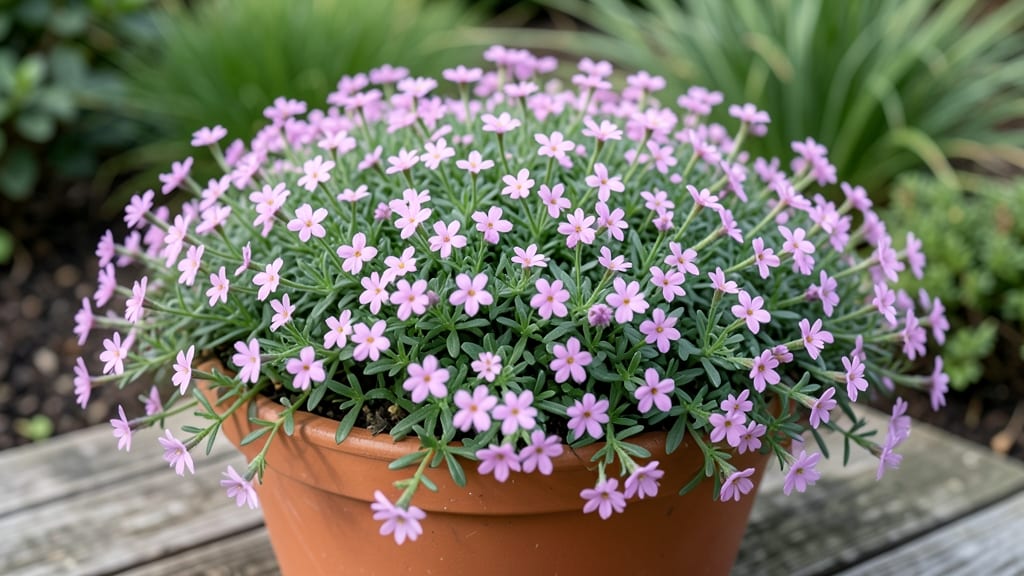
If you're dreaming of a garden bursting with fragrant, cascading blooms, understanding how tall Sweet Alyssum grows is the first step to creating that picture-perfect look.
This charming flower typically stays between 6 and 10 inches tall, but its real magic lies in its trailing habit—spilling over edges like a lush, white or purple waterfall.
The key to maximizing its beauty isn’t just about height—it’s about spacing. Planting Sweet Alyssum too close can lead to leggy stems and fewer blooms, while giving it room to breathe encourages that bushy, spill-over effect you love.
Whether you're filling containers or lining garden beds, proper spacing is what turns a pretty plant into a showstopper.
But here’s the thing: Sweet Alyssum isn’t just about letting it grow wild. With a little pruning and pinching, you can control its height and shape, keeping it compact or letting it trail dramatically.
I’ll show you exactly how to do it so your plants stay healthy, vibrant, and full of flowers all season long.
Ready to turn your garden—or even your windowsill—into a fragrant, cascading paradise? Let’s dive into the spacing rules, growth habits, and care tips that will make your Sweet Alyssum the star of the show.


Sweet alyssum height guide: from compact mounds to spill-over cascades
Sweet alyssum (Lobularia maritima) is a charming annual that thrives on its low-growing habit, making it perfect for borders, containers, and hanging baskets. Most varieties stay between 3 to 6 inches tall, though some trailing types can stretch up to 10 inches when allowed to cascade.
Understanding these height variations helps you plan spacing and support structures for the best display.
The mature height of sweet alyssum depends on its variety and growing conditions. Dwarf varieties like 'Tiny Tots' remain compact at just 3-4 inches, while standard types like 'White Queen' reach 4-6 inches.
Trailing varieties, such as 'Easter Bonnet,' can grow 8-10 inches long but stay low to the ground, creating a lush carpet of color.
In containers or hanging baskets, sweet alyssum’s height becomes less critical than its spread and cascading habit. A single plant can spill over the edges, creating a romantic, waterfall effect that’s ideal for balconies or patio planters.
For garden beds, focus on ground coverage rather than vertical growth, as this plant thrives when planted densely.
Here’s how sweet alyssum’s height compares in different settings:
| Variety Type | Height Range | Spread | Best Use |
|---|---|---|---|
| Dwarf (e.g., 'Tiny Tots') | 3–4 inches | 6–12 inches | Borders, rock gardens |
| Standard (e.g., 'White Queen') | 4–6 inches | 12–18 inches | Containers, window boxes |
| Trailing (e.g., 'Easter Bonnet') | 4–6 inches (height) | 12–24 inches (spread) | Hanging baskets, vertical gardens |
When planting sweet alyssum in garden beds, its compact stature means it won’t compete with taller plants like snapdragons or salvias. Instead, pair it with low-growing companions like creeping thyme or sweet woodruff to create a textured, layered border.
In containers, its height allows you to mix it with medium-height plants like petunias or calibrachoa for a full, balanced look.
One key factor influencing height is light exposure. Sweet alyssum grown in full sun (6+ hours daily) tends to stay more compact and bushier, while those in partial shade may stretch slightly taller but produce fewer blooms.
If you notice leggy growth, it’s often a sign the plant needs more sunlight or pruning to encourage branching.
For hanging baskets, sweet alyssum’s height works perfectly with its trailing habit. A single plant can spill over the edges, creating a cascading effect that’s ideal for adding color to patio railings or deck edges.
To maximize this look, plant 3–5 plants per 12-inch basket, spacing them evenly for a uniform, lush display.
In garden beds, sweet alyssum’s height makes it a versatile edging plant. Use it to soften the edges of paths or frame garden borders.
Its low profile also makes it ideal for rock gardens or alpine displays, where its delicate blooms contrast beautifully with succulents or ornamental grasses.
If you’re growing sweet alyssum in containers, its height allows you to stack plants vertically. Place taller plants like geraniums or dusty miller in the back, with sweet alyssum in the middle, and trailing plants like ivy in the front.
This creates a dynamic, layered look that draws the eye upward while keeping the overall height manageable.
Remember, sweet alyssum’s height is just one part of its charm. Its fragrant blooms and long flowering season (from spring until frost) make it a low-maintenance superstar in any garden. With the right spacing and care, you’ll enjoy its cascading beauty all season long. 🌸
Sweet alyssum height guide: from compact mounds to spill-over cascades
Sweet alyssum’s height may seem small, but its mounding or trailing growth habits make it a powerhouse for borders, containers, and hanging baskets. Most varieties stay between 3 to 6 inches tall, but some trailing types can stretch up to 10 inches when cascading over edges.
Understanding these differences helps you plan for the perfect ornamental display.
The height of sweet alyssum depends heavily on its variety and growing conditions. Dwarf types like 'Tiny Tots' max out at 3-4 inches, while standard varieties like 'Queen Lace' reach 4-6 inches.
Trailing types, such as 'Easter Bonnet,' can grow 6-10 inches long, making them ideal for vertical gardens or hanging baskets.
🌸
Sweet Alyssum Height Comparison
| Variety | Height Range | Growth Habit | Best For |
|---|---|---|---|
| 'Tiny Tots' | 3-4 inches | Compact mound | Borders, rock gardens |
| 'Queen Lace' | 4-6 inches | Mounding | Containers, window boxes |
| 'Easter Bonnet' | 6-10 inches | Trailing | Hanging baskets, trellises |
When growing sweet alyssum in containers, its height may appear slightly shorter due to root restriction, but trailing varieties will still cascade beautifully over edges. In garden beds, these plants spread wider than they grow tall, often reaching 12-18 inches wide.
This makes them perfect for ground cover or filling gaps between taller perennials.
Light conditions also influence height. While sweet alyssum thrives in full sun to partial shade, too much shade can result in leggy growth and fewer blooms.
Aim for 4-6 hours of sunlight daily to encourage a compact, bushy habit. In hot climates, afternoon shade helps prevent heat stress, which can stunt growth.
Pruning and pinching play a key role in controlling height. Regularly trimming back spent flowers and leggy stems encourages fuller growth and prevents the plant from becoming too tall or sparse.
For trailing varieties, gently guiding stems along a trellis or wire frame can create a stunning vertical display while maintaining their natural height range.
🌿