
How To
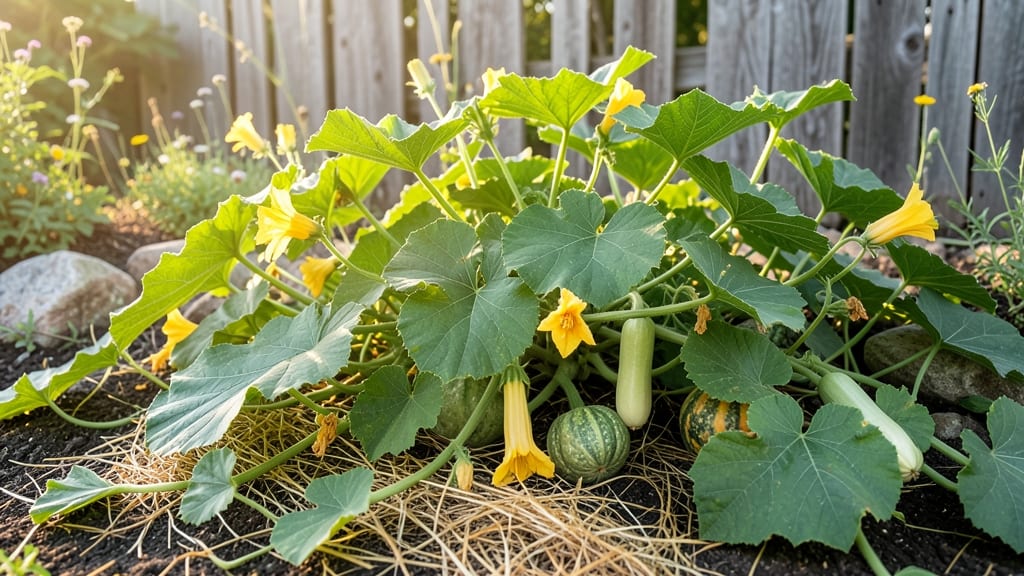
If you’ve ever wondered how tall does squash grow before planning your garden, you’re not alone—this question makes all the difference between a thriving patch of 🎃 and a tangled mess.
Squash plants can range from compact bush varieties that stay neatly contained to sprawling vines that stretch for 10 feet or more, depending on the type.
The key to success starts with knowing your squash’s growth habits. Bush varieties like ‘Eight Ball’ stay under 3 feet, making them perfect for small gardens or containers, while vining types like butternut squash can reach towering heights.
Without proper spacing or support, even the hardiest plants struggle to thrive.
In this guide, I’ll break down the height ranges for common squash varieties and share spacing rules that prevent overcrowding and disease. Whether you’re a beginner or a seasoned gardener, these insights will help you design a layout that maximizes yield and keeps your garden organized.
Ready to transform your garden planning? Let’s dive into the specifics so you can choose the perfect squash for your space—and watch your harvest flourish.


Squash vine heights by variety: from compact bush types to towering vines
Squash plants can range from compact bush varieties that stay under 3 feet tall to sprawling vines that stretch 10+ feet wide. Understanding these differences is key to planning your garden layout and maximizing your harvest.
The two main growth habits—bush and vining—dictate everything from spacing to trellising needs.
Bush squash varieties, like 'Eight Ball' zucchini, grow in neat, compact mounds that rarely exceed 2 feet in height or 3 feet in diameter. These are perfect for small gardens or container growing.
On the other end of the spectrum, vining types such as 'Butternut' or 'Spaghetti' squash can send out 10-foot vines that need ample space to sprawl or climb.
Here’s the critical distinction: height isn’t always the biggest concern—it’s the vine spread that often determines how much garden real estate you’ll need. A single vining squash plant can easily cover a 10-foot radius, while bush types stay tidy in a 2-foot circle. This makes variety selection the first step in avoiding overcrowded, disease-prone patches.
Let’s break down the most common squash varieties and their growth habits to help you plan your garden like a pro. Whether you’re working with a tiny balcony or a sprawling backyard, knowing these details will save you from wasted space or stunted plants.
| Variety | Type | Height | Spread | Best For |
|---|---|---|---|---|
| 'Eight Ball' Zucchini | Bush | 1-2 ft | 2-3 ft | Containers, small gardens |
| 'Black Beauty' Zucchini | Bush | 2-3 ft | 3-4 ft | Traditional gardens |
| 'Butternut' Squash | Vining | 3-5 ft | 8-10 ft | Trellises, large plots |
| 'Spaghetti' Squash | Vining | 4-6 ft | 10+ ft | Rural gardens, trellises |
| 'Delicata' Squash | Semi-Bush | 2-4 ft | 4-6 ft | Small to medium gardens |
| 'Jack Be Little' Pumpkin | Bush | 1-2 ft | 3-4 ft | Containers, ornamental |
If you’re growing vining squash varieties, consider installing trellises or cages early in the season. This not only saves space but also improves air circulation, reducing the risk of powdery mildew and other diseases.
For example, 'Butternut' squash vines can climb 8-10 feet when trained vertically, but they’ll still need 3-4 feet of ground space for their roots.
For bush types like 'Eight Ball' zucchini, you can get away with closer spacing, but even these benefit from 1-2 feet of clearance between plants. The
Squash vine heights by variety: from compact bush types to towering vines
Squash plants can range from compact bush varieties that stay under 3 feet to aggressive vining types that spread 10+ feet. Understanding these differences is key to planning your garden layout and maximizing your harvest.
I’ve grown everything from Eight Ball zucchini to Delicata squash, and the space requirements couldn’t be more different!
The biggest factor determining height is whether your squash is a bush type or a vining type. Bush varieties grow upright with limited sprawl, while vining types send out long, sprawling tendrils that need space—or a trellis—to thrive.
Even within these categories, individual varieties can vary 3–5 feet in mature size.
Here’s a quick breakdown of what to expect from popular squash varieties, including their mature heights and ideal growing conditions:
For bush varieties, like Eight Ball zucchini, the focus is on compact growth and high yields in a small footprint. These are perfect for container gardening or tight spaces, but they’ll still need 2–3 feet of space to avoid crowding.
On the other hand, vining types like Hubbard squash can spread wider than a small car, so plan accordingly—or invest in a sturdy trellis to save space.
If you’re growing pumpkins, expect even more sprawl—some varieties can stretch 20+ feet! For these, trellising isn’t just helpful; it’s often necessary to keep the fruits off the ground and prevent rot.
I’ve seen Cinderella pumpkins climb 10-foot trellises with ease, producing 20-pound fruits that would never survive on the ground.
Pro tip: Always check the seed packet or plant tag for variety-specific growth habits. Even within the same type (e.g., bush zucchini), some varieties might sprawl more than others.
When in doubt, err on the side of extra space—squash plants hate being crowded, and it can lead to poor air circulation, which invites diseases like powdery mildew. 🌱