
Size
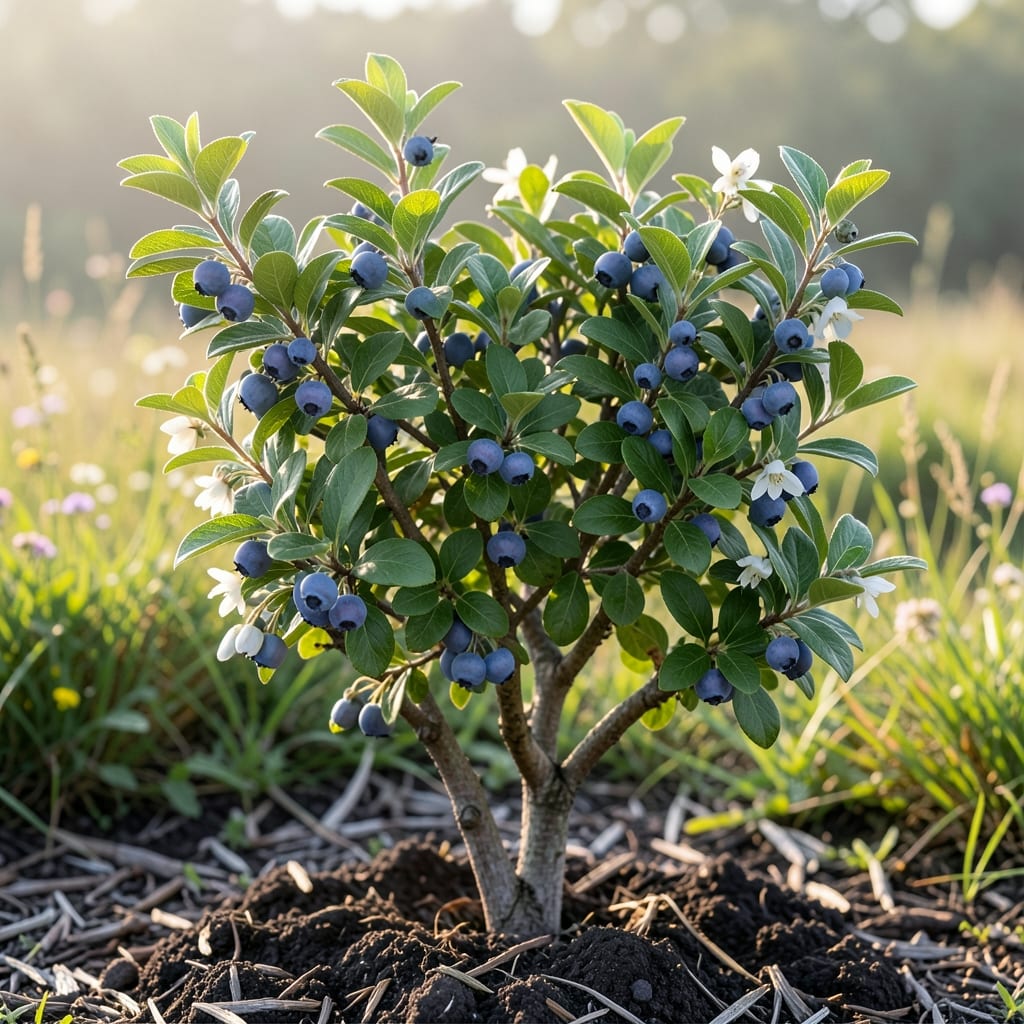
Wondering how tall can blueberry bushes grow before they need serious pruning? The answer might surprise you—some varieties stretch toward the sky like towering shrubs, while others stay neatly contained in your backyard. If you're planning your garden layout, knowing these height ranges is the first step to avoiding crowded, overgrown bushes that struggle to produce fruit.
The 🫐 blueberry bush you choose makes all the difference. Dwarf varieties like 'Top Hat' max out around 2-3 feet, perfect for containers or small spaces, while standard highbush types like 'Bluecrop' can reach 6-12 feet if left unchecked. Even in USDA Zone 6a, where many gardeners grow blueberries, proper spacing and pruning can keep your bushes at your desired height.
But here's the catch: without regular maintenance, even compact varieties can outgrow their welcome. I'll show you how to control their height through simple pruning techniques, so you get the best of both worlds—plenty of berries and a tidy garden. Let’s break down the varieties, their growth habits, and the easy steps to keep them in line.
Whether you're a beginner or a seasoned gardener, understanding these growth patterns will help you design a blueberry patch that fits your space—and your patience. Ready to turn those sky-high bushes into manageable, fruit-bearing stars of your garden?


Blueberry bush height by variety: dwarf to giant growth ranges
When planning your 🫐 blueberry patch, the first question is almost always: how tall can blueberry bushes grow? The answer varies dramatically depending on the type. Lowbush varieties, like 'Pawnee,' stay humble at 1-3 feet, making them perfect for wild harvesting or small gardens. On the other end of the spectrum, standard highbush varieties like 'Jersey' can reach 10-12 feet—taller than most gardeners expect!
For home gardeners in USDA Zone 6a, choosing the right variety isn't just about height—it's about balancing space, sunlight, and fruit production. Southern highbush types, such as 'Misty,' often grow 4-8 feet tall and thrive in warmer climates, while northern highbush varieties like 'Bluecrop' typically hit 6-10 feet and handle cooler temperatures better. Even within these categories, spacing needs vary—some compact varieties need just 3 feet between plants, while taller types require 8-10 feet.
Here's the key: dwarf varieties (like 'Top Hat') are bred to stay under 3 feet, ideal for containers or small urban gardens. Semi-dwarf types (such as 'Patriot') grow 4-6 feet and offer a middle-ground solution. Meanwhile, standard varieties can become unruly if not pruned regularly. Without maintenance, even a 6-foot bush can double in height within a few years.
If you're working with limited space, dwarf varieties are your best bet—they produce fruit just like their taller counterparts but stay manageable. For example, 'Sunshine Blue' grows only 2-3 feet tall yet yields 1-2 pounds of berries per plant annually. Meanwhile, standard varieties like 'Duke' can produce 3-5 pounds per bush but require more room to thrive.
Another factor to consider is growth rate. In their first year, most blueberry bushes grow just 1-2 feet tall, but by year three, they can double in height. This rapid growth is why many gardeners underestimate the space needed. For instance, a 6-foot-tall bush at maturity might start as a 2-foot sapling—so plan accordingly to avoid overcrowding.
For gardeners in USDA Zone 6a, where winters can be harsh, choosing cold-hardy varieties (like 'Jersey' or 'Bluecrop') ensures your bushes survive and grow to their full potential. These varieties not only handle frost better but also develop stronger root systems, which supports their height over time. If you're unsure which type to pick, start with a semi-dwarf variety—they offer a balance of manageable size and high yields.
One common mistake I see is assuming all blueberry bushes grow the same height. In reality, the difference between a 3-foot dwarf and a 12-foot standard variety is night and day in terms of garden planning. For example, planting a standard highbush too close to a fence or patio can lead to frustration when it outgrows its space within a few years. Always check the mature height
Blueberry bush height by variety: dwarf to giant growth ranges
Choosing the right blueberry variety is the first step to controlling height in your garden. Some types stay small enough for containers, while others need room to sprawl. For example, lowbush blueberries like 'Patriot' typically max out at 1-3 feet, making them perfect for small spaces or edging. Meanwhile, standard highbush varieties like 'Duke' can soar to 8-12 feet if left unpruned.
Even within the same category, heights vary. Southern highbush types like 'Misty' often stay between 4-6 feet, while northern highbush varieties like 'Bluecrop' can reach 6-10 feet. Rabbiteye blueberries, popular in warmer climates, frequently grow 8-15 feet tall—taller than many backyard fences! Understanding these ranges helps you plan spacing and support structures before planting.
| Variety | Mature Height | Spacing Needs | Best For |
|---|---|---|---|
| Dwarf (e.g., 'Top Hat') | 2-3 ft | 2-3 ft apart | Containers, small gardens |
| Lowbush (e.g., 'Patriot') | 1-3 ft | 1-2 ft apart | Wildlife gardens, ground cover |
| Semi-Dwarf (e.g., 'Pink Lemonade') | 4-6 ft | 4-5 ft apart | Backyard patches, hedges |
| Standard Highbush (e.g., 'Bluecrop') | 6-10 ft | 6-8 ft apart | Large gardens, orchards |
| Rabbiteye (e.g., 'Climax') | 8-15 ft | 10-12 ft apart | Rural areas, windbreaks |
Climate plays a surprising role in height too. In cooler USDA Zones 3-5, northern highbush varieties often stay shorter due to slower growth, while in warmer Zones 7-9, southern highbush and rabbiteye types can grow taller and bushier. If you're in a transitional zone like Zone 6a, choose varieties bred for your area to avoid unexpected height spikes.
Proper spacing is just as critical as variety selection. Planting dwarf varieties too close can stunt their growth, while giving standard bushes too much room may encourage leggy, unproductive growth. Aim for 3-5 feet between bushes for most highbush types, and reduce spacing by half for dwarf varieties. This ensures airflow and sunlight reach all parts of the plant, promoting both fruit production and compact growth.
Don't forget that container growing can also control height. Dwarf varieties like 'Peach Sorbet' thrive in 15-gallon pots and rarely exceed 3 feet, while even semi-dwarf types can be kept in check with regular pruning. Just ensure your container has drainage holes and use a well-draining, acidic soil mix to prevent root-bound issues.
With the right variety and spacing, you can enjoy blueberries at any height—whether you prefer a low hedge or a towering shrub. The key is matching your garden's space and climate to the plant's natural growth habits. Ready to pick the perfect variety for your space? 🌱