
How To
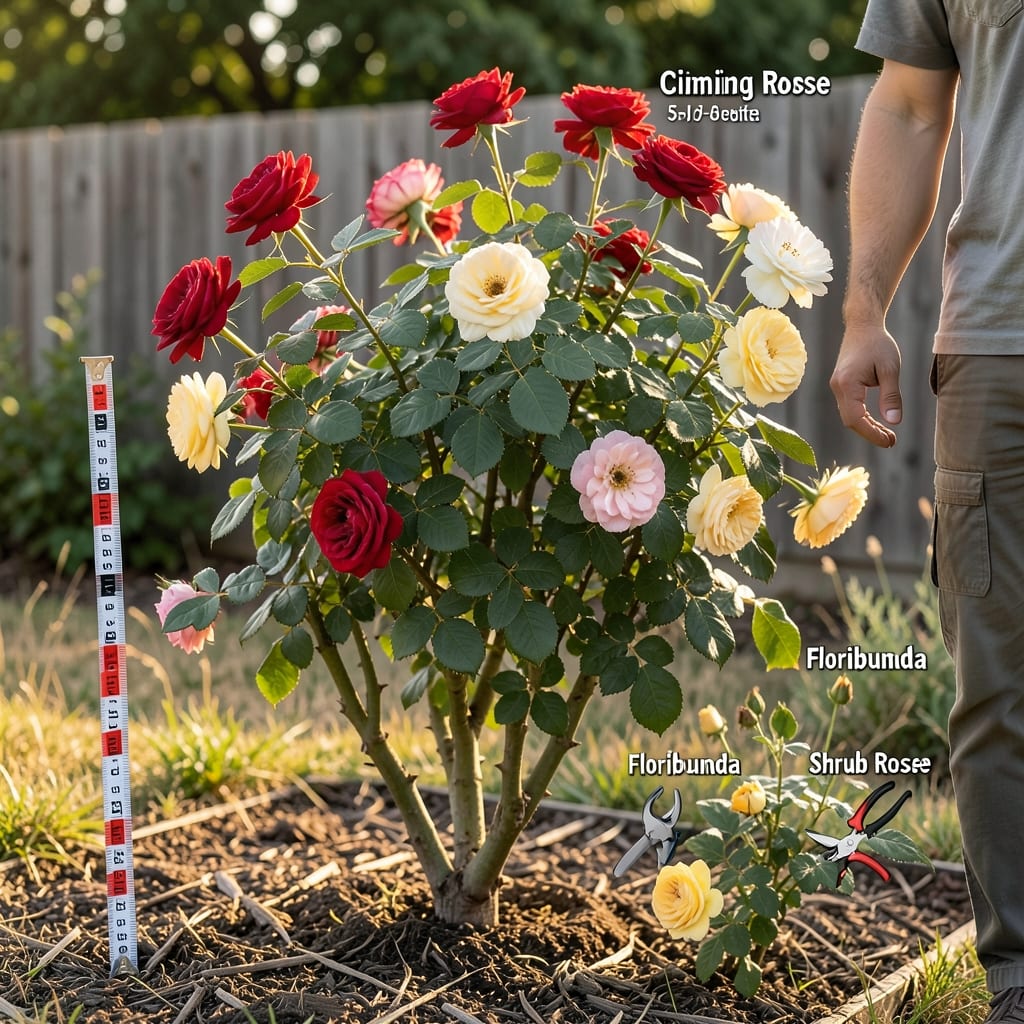
If you’ve ever wondered just how tall your 🌹 rose bushes can grow, the answer might surprise you—some varieties stretch taller than a two-story house! Whether you’re dreaming of a romantic trellis or a dramatic garden statement, the height of your roses depends on more than just luck. From compact shrubs to towering climbers, we’ll break down the sky-high possibilities and the secrets to nurturing them to their full potential.
Most gardeners assume rose bushes stay within a manageable 3 to 5 feet, but that’s just the beginning. Climbing roses, for example, can soar up to 10 feet or more with the right support and care, while shrub roses typically range from 3 to 6 feet. The key? Understanding your variety, pruning techniques, and growing conditions—all of which we’ll explore step by step.
What if you’re aiming for a specific look—maybe a 6-foot hedge or a 12-foot arch**? The difference between a stunted bush and a thriving giant often comes down to timing, tools, and a little patience. I’ll share expert-backed tips to maximize growth without sacrificing health, so you can achieve the lush, towering roses you’ve always envisioned.
Ready to transform your garden into a vertical paradise? Let’s dive into the factors that shape rose height, from variety selection to pruning hacks that work—so you can finally answer the question: How tall can my rose bushes really grow?

Rose bush height limits by variety: from compact to towering giants
When it comes to rose bush height, the possibilities are as diverse as the varieties themselves. Some stay neatly contained at 1-3 feet, perfect for container gardens, while others reach 10 feet or taller, turning your yard into a vertical masterpiece. The variety you choose isn’t just about aesthetics—it directly impacts how much space you’ll need, how much pruning you’ll do, and even the type of support system required.
Climbing roses are the tallest rose bushes, often scaling 15-20 feet with proper training and support. Shrub roses, on the other hand, typically max out at 3-6 feet, making them ideal for hedges or borders. Then there are standard roses, which are essentially shrub roses grafted onto taller stems, allowing them to grow 5-10 feet without sprawling. Understanding these categories is the first step to achieving the perfect height for your garden vision.
Here’s the exciting part: even within these categories, there are exceptional outliers. Some climbing roses, like the 'New Dawn' or 'Blaze', can exceed 20 feet when given the right conditions. Meanwhile, miniature roses rarely surpass 2 feet, making them perfect for window boxes or fairy gardens. The key to unlocking these heights lies in selecting the right variety for your goals and space.
Before you pick a rose, consider your garden’s layout. A 6-foot shrub rose might block sunlight to nearby plants, while a 12-foot climbing rose could require a sturdy trellis or arbor. Think about maintenance too—taller roses need more pruning and support, while dwarf varieties demand less upkeep. Balance is everything when aiming for that perfect height.
🌹
| Variety | Height Range | Best For | Notes |
|---|---|---|---|
| Climbing Roses | 15-20+ ft | Arbors, trellises, fences | Requires strong support |
| Shrub Roses | 3-6 ft | Hedges, borders, foundation plantings | Low-maintenance, repeat bloomers |
| Standard Roses | 5-10 ft | Focal points, small trees | Grafted for height |
| Miniature Roses | 1-3 ft | Containers, fairy gardens | Dwarf varieties, delicate blooms |
| Floribunda Roses | 3-5 ft | Borders, mixed beds | Clustered blooms, repeat flowering |
If you’re aiming for maximum height, climbing roses like 'Zephirine Drouhin' or 'Rambling Rector' are legendary for their ability to reach 30 feet or more with proper care. These varieties are perfect if you’re dreaming of a rose-covered pergola or a wall of blooms. However, they require patience—some can take 3-5 years to reach their full potential.
For a more manageable yet still impressive look, shrub roses like 'Knock Out' or 'Dr. Huey' grow 4-5 feet tall and produce continuous blooms with minimal pruning. These are ideal for gardeners who want height without the hassle of training vines. The trade-off? They won’t reach the same dramatic heights as climbers, but they’re far easier to maintain.
Don’t overlook standard roses if you want a tree-like appearance. Varieties like 'Apache Upright' or 'Starfire' can grow 6-8 feet tall while maintaining a compact, bushy form. They’re essentially shrub roses on stilts, making them a great middle-ground option for gardeners who want height without the complexity of climbing varieties.
🌿
One common misconception is that all rose bushes grow tall naturally. In reality, many varieties—especially dwarf roses—are bred to stay under 3 feet. If you’re working with limited space, consider 'Fairy' roses or 'Tom Thumb', which rarely exceed 2 feet and are perfect for window boxes or balcony gardens. The beauty
How pruning techniques control rose bush height (and when to stop)
Pruning isn’t just about shaping your 🌹 rose bushes—it’s the secret weapon for controlling their height. The right cuts at the right time can encourage dramatic growth, while poor timing can stunt your roses for years. If you’ve ever wondered why your roses stayed stubbornly short, chances are your pruning approach was the culprit. Let’s break down how to wield your shears like a pro to coax your roses toward their full potential height.
First, understand that pruning stimulates new growth. When you cut back stems, the plant responds by sending out fresh shoots from the base or buds. For taller roses like climbers, this means more vertical growth, while shrub roses benefit from controlled height through selective pruning. The key is balancing aggressive cuts (for rapid height) with gentle maintenance (to preserve health).
The best time to prune for height depends on your rose type. Climbing roses should be pruned in late winter or early spring before new growth begins, while shrub roses can handle light pruning throughout the growing season. Avoid heavy pruning in fall—this can leave your roses vulnerable to winter damage and stunted spring growth.
Here’s where most gardeners go wrong: they prune too late in the season or cut back too aggressively. Late pruning removes next year’s flower buds, while over-pruning stresses the plant. Aim to leave 3 to 5 strong canes on shrub roses and prune just above an outward-facing bud to encourage upward growth in climbers.
Pruning for Height: Pros and Cons
✂️ Aggressive Pruning
- Pros: Rapid height growth
- Pros: Stronger new canes
- Cons: Risk of shock/stunted growth
- Cons: Fewer blooms first season
🌿 Minimal Pruning
- Pros: Preserves existing blooms
- Pros: Less plant stress
- Cons: Slower height increase
- Cons: Canes may become woody
💡 Tip: For climbing roses, prune 1/3 of the oldest canes annually to encourage upward growth.
Don’t forget the tools of the trade. A sharp, bypass pruner makes clean cuts that heal faster, while loppers handle thicker stems. Always sterilize your tools with rubbing alcohol to prevent disease spread. And here’s a pro move: prune in stages if your roses are overgrown. Remove 1/3 of the foliage in early spring, another 1/3 in midsummer, and finish with light shaping in fall.
Knowing when to stop pruning is just as important as when to start. For climbing roses, cease heavy pruning once new shoots reach your desired height—usually by mid-summer. Shrub roses benefit from a final light pruning in late summer to remove dead or crossing branches. The goal? Encourage upward growth without overburdening the plant. With these techniques, you’ll be growing roses that reach for the sky—literally!