
Plants
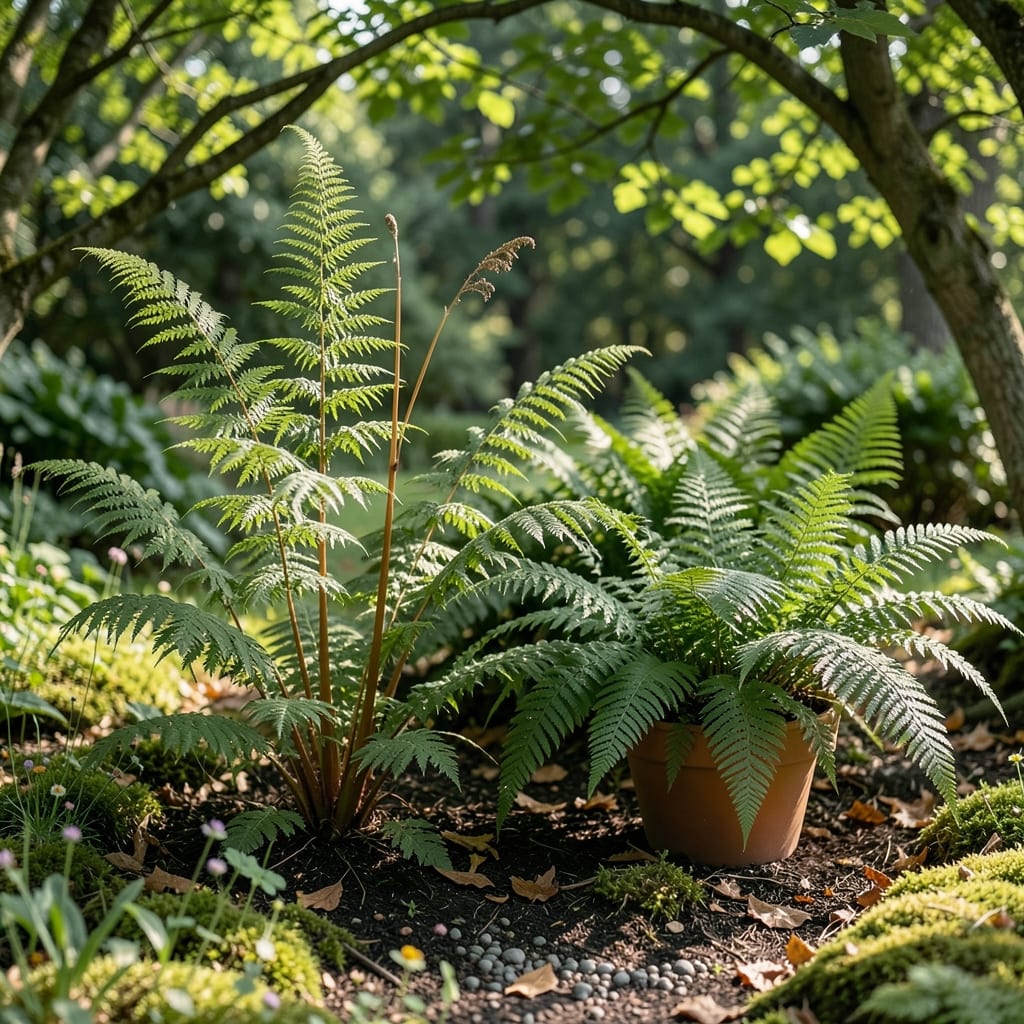
If you’ve ever wondered how tall can ferns grow, the answer might surprise you—some varieties stretch as high as a basketball hoop, while others stay small enough to tuck onto a shelf. 🌿 These ancient plants aren’t just pretty faces; their height can transform your garden or indoor space with lush, textured greenery.
Whether you’re dreaming of a towering tree fern as a statement piece or a dainty maidenhair fern for your desk, understanding their growth habits is key. From delicate 3-inch varieties to 10-foot giants, each type has its own personality—and care needs. Let’s explore how to help your ferns reach their full potential (or keep them compact, if that’s your style!).
The secret to their height lies in sunlight, soil, and a little patience. Too much sun? They’ll wilt. Too little water? They’ll droop. But with the right conditions, you can coax even the tallest ferns to thrive—whether you’re planting in USDA Zone 6a or growing them indoors. Ready to discover the perfect fern for your space?
We’ll break down the best varieties for your goals, plus pro tips to manage their size—so you can enjoy ferns that fit your vision, whether you want a miniature accent or a grand statement. Let’s get growing!


Fern height ranges by variety: from tiny to tree-like giants
Ferns are nature’s architectural wonders, with some varieties reaching heights that rival small trees while others fit perfectly on a windowsill. 🌿 The height range of ferns varies dramatically—from delicate 3-inch plants to 10-foot giants—depending on the species and growing conditions. If you’re planning your garden or choosing indoor plants, knowing these ranges will help you pick the perfect fern for your space.
Let’s explore the most popular fern varieties and their mature heights, so you can visualize how they’ll fit into your landscape or home. Some ferns grow vertically, making them ideal for shady corners or as focal points, while others spread horizontally, creating lush ground cover. The key to maximizing their height? Understanding their natural growth habits and providing the right care.
Here’s a quick look at how different ferns compare in size—whether you want a miniature fern for a terrarium or a towering tree fern for your backyard. Each variety has unique needs, so we’ll also note their ideal growing conditions to help you choose wisely.
| Variety | Mature Height | Growth Habit | Ideal Environment |
|---|---|---|---|
| Boston Fern (Nephrolepis exaltata) | 2–3 ft | Trailing | Indoor/outdoor, partial shade |
| Maidenhair Fern (Adiantum spp.) | 1–2 ft | Compact, delicate fronds | Indoor, bright indirect light |
| Ostrich Fern (Matteuccia struthiopteris) | 3–5 ft | Clumping, upright | Shady woodland gardens |
| Tree Fern (Cyathea spp.) | 6–10 ft | Tall, trunk-like stems | Humid, tropical climates |
| Holly Fern (Cyrtomium falcatum) | 2–4 ft | Bushy, leathery fronds | Partial shade, well-draining soil |
| Lace Fern (Blechnum spp.) | 1–3 ft | Low-growing, spreading | Moist, shaded areas |
| Sword Fern (Nephrolepis cordifolia) | 3–6 ft | Tall, arching fronds | Humid, tropical gardens |
The Boston Fern and Maidenhair Fern are perfect for indoor spaces, while the Ostrich Fern and Tree Fern can become stunning focal points in shady garden corners. If you’re working with limited space, dwarf varieties like Lace Fern or Holly Fern are excellent choices—they stay compact but still deliver that lush, feathery texture.
One of the most impressive ferns is the Tree Fern, which can grow up to 10 feet tall in ideal conditions. These tropical giants thrive in humid climates and make a bold statement in gardens or as container plants. For a more manageable size, the Sword Fern reaches 3–6 feet and is perfect for adding height to shaded borders without overwhelming the space.
If you’re growing ferns in containers, choose smaller varieties like the Boston Fern or Maidenhair Fern to keep them within manageable limits. Larger ferns, like the Ostrich Fern, can also be grown in pots but may require larger containers
Fern height ranges by variety: from tiny to tree-like giants
Ferns offer a stunning range of heights, from delicate miniature varieties perfect for terrariums to tree-like giants that dominate garden landscapes. The key to choosing the right fern for your space lies in understanding each variety’s mature size and growth habits. For example, the Boston fern stays compact at just 1-3 feet, while the Australian tree fern can soar to 10 feet or taller.
If you’re working with limited space, smaller ferns like the maidenhair fern (3-5 feet) or button fern (1-2 feet) are ideal. These varieties thrive in containers or as understory plants in shaded gardens. On the other hand, tropical ferns like the staghorn fern or bird’s nest fern can become impressive focal points when given the right conditions.
🌿
| Variety | Mature Height | Ideal Environment |
|---|---|---|
| Boston Fern | 1-3 ft | Indoor containers, hanging baskets |
| Maidenhair Fern | 3-5 ft | Shaded gardens, terrariums |
| Ostrich Fern | 4-6 ft | Moist woodland areas, pondsides |
| Tree Fern (Cyathea) | 10-15 ft | Tropical climates, large containers |
| Button Fern | 1-2 ft | Rock gardens, alpine areas |
The tree fern is one of the most dramatic options, with some species like Cyathea cooperi reaching heights of 15 feet in ideal conditions. These giants need ample space, high humidity, and protection from harsh winds. For indoor growers, consider the staghorn fern, which can grow 3-5 feet wide when mounted on trees or driftwood, adding a tropical vibe to any room.
Smaller ferns like the Japanese painted fern (2-3 feet) or lacy fern (1-2 feet) are perfect for adding texture to borders or woodland gardens. Their delicate fronds create a soft, layered look that contrasts beautifully with taller perennials. If you’re planning a shaded garden, mix heights for a dynamic, natural feel—place taller ferns at the back and shorter varieties in the front.
Remember, height potential depends on growing conditions. A Boston fern in a small pot will stay shorter than one planted in the ground with rich, moist soil. With the right care, even dwarf varieties can reach their maximum height, while giants like tree ferns need space to thrive. Choose wisely based on your space and climate!
🌳