
How To
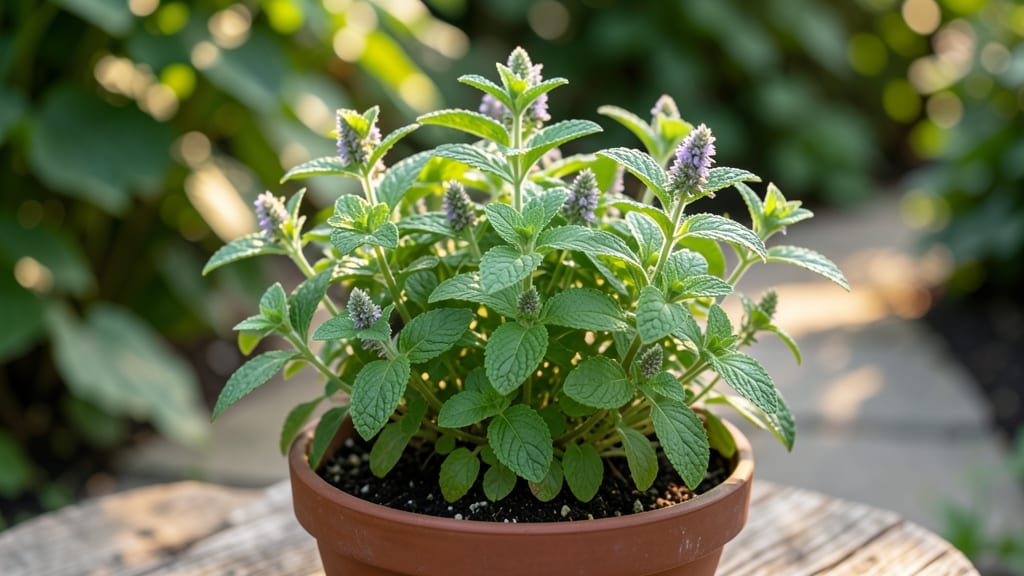
If you’ve ever wondered how tall does spearmint grow before it takes over your garden, you’re not alone. This hardy herb can shoot up to 3 feet tall—or even taller—if left unchecked, spreading aggressively through its underground runners.
The good news? With the right spacing and care, you can keep it lush, fragrant, and contained while still enjoying its fresh leaves.
Spearmint’s rapid growth is one of its most charming (and challenging) traits. 🌿 Unlike slower-growing herbs, it thrives in USDA Zone 6a and beyond, reaching its full height by mid-summer if planted in April or May.
But here’s the catch: without proper spacing, those vibrant green leaves will quickly crowd out other plants—or worse, invade your entire yard. The secret lies in understanding its growth habits and giving it room to breathe.
In this guide, I’ll break down exactly how tall spearmint grows, why spacing matters, and how to manage its spread—whether you’re growing it in containers or in the ground.
You’ll also discover how to prune for bushier plants and compare it to peppermint, so you can make the most of your herb garden without the chaos.
Ready to grow spearmint that stays in its place and keeps giving? Let’s dive into the spacing secrets that’ll transform your garden—no overgrowth in sight.


Spearmint growth height: how tall it gets and why it matters
Spearmint typically reaches a mature height of 12 to 36 inches, though it can spread aggressively via underground rhizomes that extend beyond its vertical growth.
This makes it a medium-height herb that thrives in both containers and garden beds, but requires careful planning to prevent it from taking over your space. The rhizomes can spread up to 3 feet outward, turning spearmint into a sprawling ground cover if left unchecked.
Understanding its growth habits is crucial for gardeners who want to enjoy its fragrant leaves without sacrificing yard space. Spearmint grows 3 to 4 feet tall in ideal conditions, but its spread is often underestimated.
Without proper spacing, it can quickly dominate a garden bed, crowding out other plants and making harvests difficult.
Here’s what you need to know about spearmint’s height and spread to plan your garden effectively:
| Characteristic | Details |
|---|---|
| Mature Height | 12–36 inches (1–3 feet) |
| Spread via Rhizomes | Up to 3 feet outward |
| Growth Rate | Fast; reaches full height in 1 season |
| Ideal Spacing (In-Ground) | 18–24 inches apart in rows 2–3 feet apart |
| Container Size | Minimum 12-inch diameter for 1 plant |
Spearmint’s aggressive rhizome spread is why many gardeners opt for container gardening or raised beds. In containers, its height remains manageable, but the rhizomes can still escape if the pot isn’t deep enough (at least 12 inches deep).
For in-ground planting, spacing is critical—giving each plant 18–24 inches of space prevents overcrowding and ensures healthy, flavorful leaves.
If you’re growing spearmint for culinary or medicinal use, its height and spread directly impact your harvest. A well-spaced plant produces bushier, more aromatic foliage because it isn’t competing with neighbors for nutrients.
Without proper spacing, you’ll end up with taller, leggy stems and smaller leaves, which weaken the plant’s flavor and yield.
Another key factor is pruning. Regularly trimming spearmint to half its height encourages bushier growth and prevents it from becoming too tall. This also stimulates new leaf production, giving you a steady supply of fresh herbs throughout the growing season.
I like to prune mine every 4–6 weeks to keep it compact and flavorful.
Spearmint’s height and spread also make it a great companion plant for vegetables like tomatoes, cabbage, and carrots. Its fragrant leaves deter pests like aphids and spider mites, but be mindful of its aggressive nature.
If you’re planting it near other herbs, use physical barriers like buried pots or landscape fabric to contain its rhizomes.
For gardeners with limited space, container gardening is the best solution. A single spearmint plant in a 12-inch pot will reach its maximum height of 3 feet but won’t spread uncontrollably. Just
Finally, spearmint’s height and spread are influenced by sunlight and soil conditions. In full sun (6+ hours daily), it grows taller and more vigorously, while partial shade (4–6 hours) keeps it slightly shorter and bushier. Well-draining, moist but not soggy soil is ideal—spearmint hates waterlogged roots, which can stunt its growth and reduce leaf production.
By understanding spearmint’s natural growth habits and planning accordingly, you can enjoy a fragrant, productive herb garden without the headaches of overgrowth. Whether you’re growing it in containers, garden beds, or alongside other plants, proper spacing and pruning are your best tools for a thriving spearmint patch.
Ideal spacing for spearmint: preventing overgrowth and maximizing yield
Spearmint’s aggressive growth habit means proper spacing is essential to prevent it from spreading uncontrollably and crowding out other plants.
In ideal conditions, spearmint plants can reach 36 inches tall and spread 2–3 feet wide, so giving them room to breathe is key to maintaining a healthy, productive herb garden.
For in-ground planting, space spearmint plants 18–24 inches apart in rows that are 2–3 feet apart. This spacing allows air circulation, reducing the risk of fungal diseases and ensuring each plant gets enough sunlight and nutrients for optimal leaf production.
If you’re growing spearmint in containers, choose pots that are at least 12 inches wide and deep for each plant. Use well-draining soil and place containers 12–18 inches apart to prevent overcrowding, which can lead to stunted growth and weaker flavor.
- 📏 In-Ground: 18–24" apart in rows 2–3' apart
- 🏺 Containers: 12" pots, 12–18" spacing
- 🌿 Companion Plants: Keep 18" from carrots, tomatoes
- ✂️ Pruning Tip: Trim back by 1/3 to encourage bushiness
- 🌡️ Hot Climate: Increase spacing to 24" for better airflow
To maximize yield, regularly prune spearmint by cutting back one-third of the plant in early summer. This encourages bushier growth and prevents the plant from becoming leggy or woody, which can reduce flavor intensity. Always use clean, sharp pruning shears to avoid spreading disease.
If you’re growing spearmint in small spaces, consider interplanting with slower-growing herbs like thyme or oregano, which won’t compete for space. Avoid planting spearmint near peppermint, as they can cross-pollinate and produce hybrid plants with weaker flavors.
With the right spacing and care, your spearmint will thrive, producing abundant, aromatic leaves all season long—perfect for teas, cooking, or medicinal remedies. Just remember: a little extra space now saves you from big headaches later when spearmint takes over your garden! 🌿