
Plants
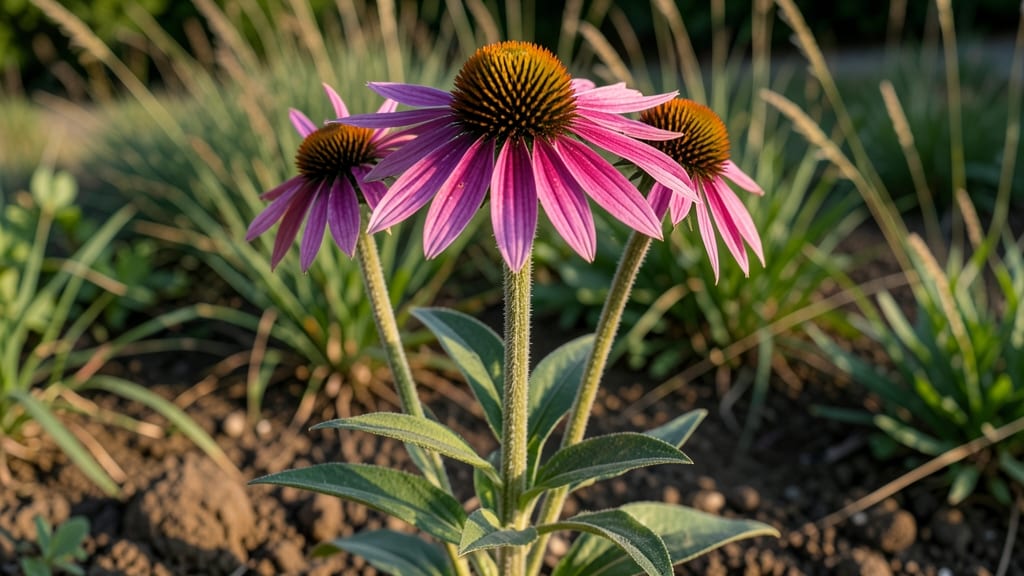
Wondering how tall do echinacea plants grow and whether they’ll fit perfectly in your garden or need serious space? The answer isn’t one-size-fits-all—these 🌼 beauties range from compact 1-foot dwarfs to towering 5-foot giants, depending on the variety.
If you’re planning your spring garden layout, knowing these heights helps you avoid overcrowding and create a showstopping display.
Some echinacea varieties, like the popular ‘White Swan’, stay neatly between 18-24 inches, making them ideal for borders or containers. Others, such as ‘Magnus’, stretch toward 5 feet—perfect for adding drama to the back of a flowerbed.
The key to happy plants? Spacing them right based on their mature size and giving them plenty of sunlight.
But here’s the thing: height isn’t just about aesthetics. Proper spacing ensures your echinacea gets the airflow and nutrients it needs to thrive. Whether you’re a beginner or a seasoned gardener, understanding these growth patterns helps you design a garden that’s both beautiful and functional.
Ready to learn which varieties fit your space and how to keep them looking their best? Let’s break it down—from dwarf types to sun-loving giants—and share tips to make your echinacea garden a standout.


Echinacea plant height by variety: from dwarf to giant types
Echinacea plants are renowned for their vibrant blooms and drought-tolerant nature, but their mature heights can vary dramatically depending on the variety. Knowing these differences helps you plan your garden layout and avoid overcrowding.
From compact varieties perfect for containers to tall giants that make stunning focal points, echinacea offers options for every garden size.
Most gardeners assume all echinacea plants reach 3-4 feet tall, but the reality is far more diverse. Some varieties stay as short as 12 inches, while others can soar to 5 feet or more.
Understanding these height ranges ensures you place your plants where they’ll thrive without competing for sunlight or nutrients.
Below, I’ve organized echinacea varieties by height categories—dwarf, semi-dwarf, standard, and tall—so you can easily visualize how they’ll fit into your garden design. Whether you’re working with a small urban space or a sprawling backyard, there’s an echinacea variety that’s perfect for you.
| Variety | Mature Height | Growth Habit | Best For |
|---|---|---|---|
| White Swan | 18-24" | Compact, clumping | Containers, borders, urban gardens |
| Green Envy | 20-24" | Upright, spreading | Cut flowers, cottage gardens |
| Hot Papaya | 24-36" | Semi-dwarf, bushy | Pollinator gardens, mixed borders |
| Magnus | 48-60" | Tall, sturdy stems | Back of borders, focal points |
| Purple Beauty | 36-48" | Clumping, upright | Wildlife gardens, pollinator habitats |
If you’re planning a pollinator-friendly garden, consider mixing tall varieties like 'Magnus' with shorter types like 'White Swan'. This creates a layered effect that attracts bees and butterflies at different heights.
For example, place 'Magnus' at the back of a border and 'Green Envy' in the front to create visual interest while maximizing flower exposure.
One common misconception is that all echinacea plants require the same spacing. In reality, tall varieties like 'Purple Beauty' need 2-3 feet between plants to prevent overcrowding, while dwarf types like 'White Swan' can thrive with just 12-18 inches of space.
Proper spacing ensures each plant gets adequate airflow and sunlight, reducing the risk of fungal diseases like powdery mildew.
For gardeners with limited space, container gardening is an excellent solution. Varieties like 'Green Envy' or 'Hot Papaya' thrive in 10-12 inch pots and can be placed on patios or balconies. Just ensure the container has drainage holes and use a well-draining potting mix to prevent root rot.
If you’re growing echinacea for cut flowers, taller varieties like 'Magnus' or 'Purple Beauty' are ideal because their long stems hold up well in bouquets. To encourage taller growth, avoid over-fertilizing with nitrogen, which promotes leafy growth over stem elongation.
Instead, use a balanced fertilizer with equal parts nitrogen, phosphorus, and potassium.
Remember that echinacea plants often increase in height each year, especially in ideal conditions. A 2-foot-tall plant in its first year might reach 3-4 feet by its third year. This gradual growth makes them a low-maintenance addition to perennial gardens, as they establish strong root systems over time.
Proper spacing and sunlight needs for echinacea by height
Echinacea plants thrive when given the right balance of spacing and sunlight. Proper spacing ensures each plant gets enough nutrients and airflow, while full sun exposure (6+ hours daily) guarantees those iconic blooms.
But not all echinacea varieties need the same room to grow—taller types like 'Magnus' (up to 5 feet) require more elbow space than dwarf varieties like 'White Swan' (18-24 inches).
For short varieties (12-18 inches), space plants 12-18 inches apart in rows that are 18-24 inches apart. This setup works well for containers or small gardens where space is limited.
Medium-height types (24-36 inches) need 24-36 inches between plants and 36-48 inches between rows to prevent overcrowding and encourage strong stems.
| Height Range | Spacing Between Plants | Spacing Between Rows | Sunlight Needs | Companion Plants |
|---|---|---|---|---|
| 12-18 inches | 12-18 inches | 18-24 inches | Full sun (6+ hours) | Dwarf coneflowers, lavender, thyme |
| 24-36 inches | 24-36 inches | 36-48 inches | Full sun (6+ hours) | Black-eyed Susans, bee balm, catmint |
| 48+ inches | 36-48 inches | 48-60 inches | Full sun (6+ hours) | Russian sage, tall grasses, phlox |
Taller echinacea varieties (48+ inches) deserve the most space—36-48 inches between plants and 48-60 inches between rows. This spacing prevents stems from flopping over and ensures strong airflow to reduce fungal risks.
Pair these giants with tall grasses or Russian sage to create a dramatic, layered look in your garden.
Sunlight is non-negotiable for echinacea. While they tolerate partial shade, especially in hot climates, full sun produces the most vibrant blooms. If your garden has morning sun and afternoon shade, choose dwarf or semi-dwarf varieties—they’ll still thrive with 4-6 hours of direct sunlight.
Avoid planting echinacea in deep shade; it leads to leggy growth and fewer flowers.
Another pro tip: Mulch around your echinacea to retain moisture and regulate soil temperature. Use organic mulch like shredded leaves or straw, keeping it 2-3 inches away from the plant stem to prevent rot.
This is especially helpful for taller varieties, which have deeper root systems and need consistent moisture during their growing season.
Finally, don’t forget about companion planting. Echinacea pairs beautifully with pollinator-friendly plants like bee balm and catmint, which attract beneficial insects. Avoid planting them near aggressive spreaders like mint or creeping thyme, which can crowd out your echinacea’s roots.
With the right spacing and sunlight, your echinacea will reward you with bold blooms and years of color.