
Size
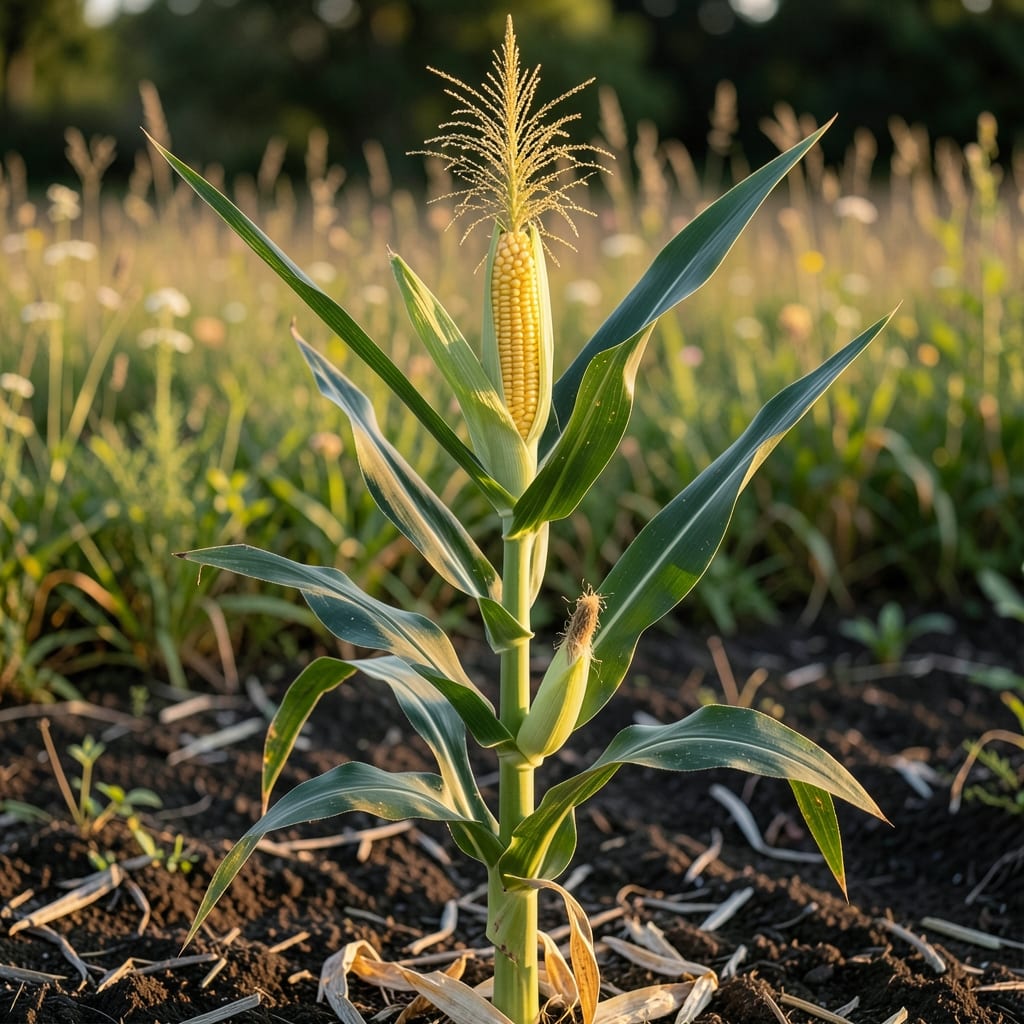
If you've ever stared at your backyard corn patch wondering how tall can corn plants grow, you're not alone. The answer lies in understanding the surprising truth is that variety, care, and a little strategic training can transform your garden into a corn-filled skyscraper.
🌽 Corn isn't just one-size-fits-all: some varieties stay compact at 3-5 feet, perfect for small gardens, while others shoot up to 12 feet or more like nature's own skyscrapers. What you might not realize is that even "short" varieties can grow taller with proper support and growing conditions. Whether you're planting sweet corn for dinner or field corn for livestock, knowing these height ranges is the first step to maximizing your harvest.
The key to unlocking your corn's full potential lies in understanding the factors that influence its growth. From sunlight exposure to soil nutrients and even spacing between plants, each element plays a crucial role. But here's the game-changer: with the right techniques, you can train your corn to grow taller, stronger, and more productive—without sacrificing yield or harvestability.
In this guide, I'll break down everything you need to know about corn plant heights by variety, share proven trellis training methods, and reveal the 5 most important factors that determine how tall your corn will grow. Let's get your corn reaching new heights—literally!


Corn plant height by variety: from dwarf to sky-high giants
If you’ve ever looked at your corn patch and wondered why some stalks reach for the sky while others stay stubby, you’re not alone. The height of corn plants varies wildly—from dwarf varieties that barely clear your knees to giant field corn that can dwarf even the tallest gardeners. The difference? It all starts with the variety you choose and how you nurture it.
Most home gardeners grow sweet corn, which typically ranges from 5 to 8 feet tall. But if you’re curious about pushing your corn to new heights—or keeping it compact for small spaces—understanding the variety-specific growth potential is key. Let’s break down the heights you can expect and how to maximize them.
🌽 Height Comparison Table
| Variety Type | Height Range | Best For | Growing Tips |
|---|---|---|---|
| Dwarf Sweet Corn | 3–5 ft | Containers, small gardens | Use 5-gallon pots with trellis support. |
| Semi-Dwarf Sweet Corn | 5–7 ft | Home gardens, urban plots | Space 12 inches apart in rows. |
| Standard Sweet Corn | 7–9 ft | Traditional gardens, high yields | Provide sturdy stakes early. |
| Field Corn (Flint/C Flint) | 10–14 ft | Large farms, ornamental use | Plant in rich, deep soil with windbreaks. |
| Popcorn Varieties | 6–10 ft | Home popping, heirloom gardens | Harvest late-season ears for best flavor. |
For home gardeners, semi-dwarf sweet corn like ‘Silver Queen’ or ‘Peaches and Cream’ strike the perfect balance—tall enough for great yields but manageable without supports. If you’re after ornamental corn, varieties like ‘Black Aztec’ can grow 10+ feet and add dramatic flair to your garden.
But here’s the catch: height isn’t just about the variety. Even the shortest corn can stretch taller with the right care, while the tallest can struggle in poor conditions. Sunlight, soil quality, and water play huge roles in determining whether your corn will reach its full potential—or stay stunted.
For example, field corn (the kind used for animal feed and ethanol) often tops out at 12–14 feet, but it requires deep, fertile soil and consistent moisture to achieve those heights. In contrast, dwarf varieties are bred to stay compact, making them ideal for container gardening or small urban plots.
If you’re growing corn in containers, choose dwarf or semi-dwarf varieties like ‘Bodacious’ or ‘Golden Bantam’. These stay under 5 feet and thrive in 5-gallon pots with proper support. For in-ground planting, give your corn 3–4 feet of space between stalks to prevent overcrowding, which can stunt growth.
Pro tip: If you’re after extra-tall corn, consider trellising your plants. Even standard sweet corn can grow 20–30% taller with proper support, especially in windy areas. We’ll dive deeper into trellis training in the next section—so stay tuned!
🌱
How to train corn plants for maximum height using trellises and supports
Training your corn plants to grow taller isn't just for show—it can boost your harvest by improving air circulation, reducing disease risk, and making ears more accessible. The key is using the right supports at the right time. Most gardeners assume corn needs no help, but with tall varieties like 'Mammoth Melting' or 'Country Gentleman' reaching 10+ feet, supports become essential.
🌽 The best time to intervene is when plants hit 3-4 feet tall, just before they start leaning heavily. This is when their stalks are strong enough to handle support but haven't yet developed the rigidity of mature plants. I've found that bamboo stakes or sturdy wooden posts work best for single plants, while corn trellis cages (made from chicken wire or PVC pipes) are ideal for rows.
Here's the game-changer: tie plants loosely to supports using soft fabric strips or old t-shirts—never wire or anything that can cut into the stalks. The goal is to guide growth, not restrict it. I've seen corn plants trained this way grow 2-3 feet taller than their untrained counterparts while producing larger ears.
Step-by-Step Trellis Training Guide
- 🌱 Step 1: Choose Your Support
Select bamboo stakes (for single plants) or chicken wire cages (for rows). Drive stakes 6-8 inches deep into soil near each plant. - 🪴 Step 2: Wait for 3-4 Feet Growth
Begin training only when plants reach this height—earlier support can stunt growth. - ✂️ Step 3: Tie Loosely with Fabric
Use soft garden twine or old t-shirts (never wire). Tie at 45-degree angles to the stalk, not straight up. - 💧 Step 4: Add Supports as Needed
For 10+ foot varieties, add 2-3 additional ties as the plant grows. Never let it lean more than 30 degrees. - 🌿 Step 5: Prune Lower Leaves
Remove lower leaves that brush the ground to prevent disease and improve airflow.
One common mistake I see is over-tightening the ties, which can strangle the stalk as it grows. Always check ties weekly and adjust as the plant thickens. For heavy-ear varieties, consider adding a second stake at the base to prevent toppling during harvest.
🌾 Pro Tip: If you're growing corn in containers or small spaces, use vertical trellis systems with PVC pipes or wire mesh. These can support multiple plants per trellis, saving space while maximizing height. I've had great success with 5-gallon bucket trellises for dwarf varieties in urban gardens.
Remember, the goal isn't just height—it's healthier plants with better yields. With the right training, your corn can grow taller while producing larger, more abundant ears than you've ever harvested before. The key is patience and gentle guidance as your plants reach for the sky.