
Vegetables
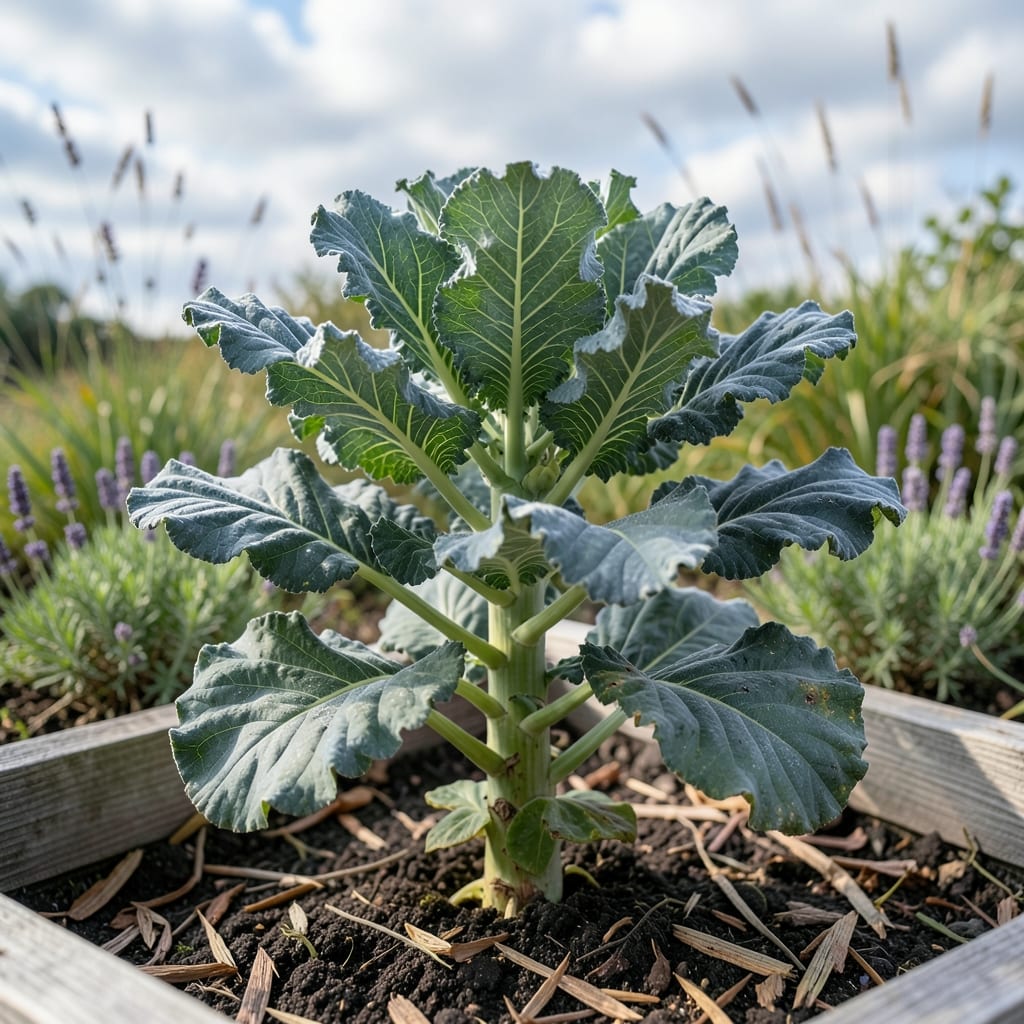
If you’ve ever wondered how tall can kale grow in your garden, the answer might surprise you—some varieties stretch toward the sky while others stay compact and bushy. Whether you’re working with a small balcony or a spacious backyard, understanding kale’s growth potential is the key to maximizing your harvest and avoiding crowded, floppy plants.
Kale isn’t one-size-fits-all—its height can vary dramatically depending on the variety you choose. Dwarf types like ‘Dwarf Blue Curled’ might only reach 8-12 inches, making them perfect for containers, while towering giants like ‘Lacinato’ can soar to 3 feet or more. The right variety isn’t just about space; it’s about yield, flavor, and how well it thrives in your climate.
But here’s the catch: even the tallest kale doesn’t have to take over your garden. With the right support—like staking or trellising—and a few smart pruning habits, you can encourage bushier growth and keep those leaves within reach. I’ll show you exactly how to work with your kale’s natural height to get the most out of every plant, no matter where you’re growing.
Ready to turn your kale patch into a thriving, space-efficient harvest? Let’s dive into the varieties, support tricks, and growth secrets that will transform the way you grow 🥬—whether you’re a beginner or a seasoned gardener.


Kale variety heights: from dwarf to towering giants (with growing tips)
Choosing the right kale variety is the first step to controlling its height in your garden. Some types are bred to stay compact, perfect for small spaces, while others grow tall and sturdy, ideal for larger plots or vertical gardening. The key is matching your garden layout and harvest goals to the variety’s natural growth habit.
Dwarf varieties like Dwarf Blue Curled or Dwarf Green Curled typically reach only 8-12 inches tall, making them ideal for containers or window boxes. These smaller plants produce tight, bushy growth, perfect for picking individual leaves without sacrificing the plant’s structure. If you’re working with limited space, these varieties let you grow kale almost anywhere—even on a balcony!
Mid-height varieties like Winterbor or Red Russian strike a balance, growing to 1-2 feet tall. They offer a compromise between space efficiency and yield, producing large, flavorful leaves while staying manageable. These are my go-to choices for in-ground gardens where I want a steady harvest without dedicating too much space.
For those with bigger plots or vertical gardening setups, tall varieties like Lacinato (Dinosaur Kale) or Vates can reach 2-3 feet or even taller. These giants produce long, sturdy stalks that support heavy leaves, but they require proper support to prevent flopping. Their reward? A massive harvest of thick, nutrient-dense leaves perfect for salads, sautéing, or freezing.
| Variety | Height Range | Best For | Harvest Time | Growing Tips |
|---|---|---|---|---|
| Dwarf Blue Curled | 8-12 inches | Containers, small spaces | 60-70 days | Ideal for cut-and-come-again harvesting |
| Winterbor | 1-2 feet | In-ground gardens, cold climates | 50-60 days | Cold-hardy; prune lower leaves to extend harvest |
| Lacinato (Dinosaur) | 2-3 feet | Vertical gardens, large plots | 60-70 days | Needs support for tall growth; harvest outer leaves first |
| Red Russian | 1-2 feet | Salad mixes, quick harvests | 30-40 days | Fast-growing; harvest young leaves for tender texture |
| Vates | 2-3 feet | Large yields, cooking | 60-70 days | Tolerates heat better than other varieties; stake for height |
Beyond variety, your kale’s height is influenced by growing conditions. Kale planted in full sun (6+ hours daily) tends to grow taller and sturdier, while partial shade can result in shorter, bushier plants. If you’re growing in a cooler climate, taller varieties might lean toward the sun, so rotating pots or plants can keep them upright and prevent lodging.
Soil quality also plays a role. Kale thrives in well-draining, nutrient-rich soil with a pH of 6.0-7.0. Amending your soil with compost before planting gives kale the nutrients it needs to grow tall and strong. I’ve found that adding a balanced fertilizer (5-10-10) at planting and again mid-season helps my tall varieties reach their full potential without flopping.
If you’re growing kale in containers, choose larger pots (at least 12 inches deep) to accommodate root growth. Smaller containers can stunt height and limit yield, so give your plants room to stretch their legs—literally! For in-ground planting, space dwarf varieties 8-12 inches apart and taller types 18-24 inches apart to prevent overcrowding, which can
Kale variety heights: from dwarf to towering giants (with growing tips)
Kale’s height isn’t just about space—it’s about yield potential and harvest efficiency. Dwarf varieties like ‘Dwarf Blue Curled’ stay compact at 8-12 inches, perfect for containers or small gardens, while ‘Lacinato’ (Dinosaur Kale) can reach 3 feet or taller when given ideal conditions. The key is matching your variety to your growing space and goals—whether you prioritize leaf density or vertical growth.
Most home gardeners grow mid-height varieties like ‘Red Russian’ or ‘Winterbor,’ which typically hit 18-24 inches. These strike a balance between space efficiency and high leaf production, making them ideal for both container gardens and in-ground plots. If you’re short on space but want a big harvest, pruning techniques can transform even tall varieties into bushier, more manageable plants.
🌱
| Variety | Height Range | Best For | Leaf Yield |
|---|---|---|---|
| Dwarf Blue Curled | 8-12 inches | Containers, small spaces | Moderate (small leaves) |
| Red Russian | 18-24 inches | In-ground plots, cut-and-come-again | High (large, tender leaves) |
| Lacinato (Dinosaur) | 2-3 feet | Large gardens, trellising | Very high (thick, textured leaves) |
| Winterbor | 12-18 inches | Cold climates, early harvests | Moderate-high (sweet flavor) |
For tall varieties, focus on soil fertility and sun exposure—they need at least 6 hours of sunlight daily to reach their full height potential. Amend your soil with compost or aged manure before planting to ensure strong stem development. If you’re growing in containers, choose dwarf or semi-dwarf varieties to avoid root-bound stress, which can stunt growth.
Did you know? Pruning the central stem of tall kale varieties can encourage bushier growth and prevent the plant from becoming leggy. Simply snip the main stem 6-8 inches from the base when the plant reaches 12 inches tall, and side shoots will sprout, creating a fuller, more productive plant.
🌿
When planning your garden layout, consider vertical space optimization. Tall kale varieties can be trellised or staked to save ground space, while dwarf types can be interplanted with shorter crops like lettuce or radishes. The key is to harvest outer leaves first—this encourages continuous growth and prevents the plant from becoming too top-heavy, especially in windy conditions.