
How To
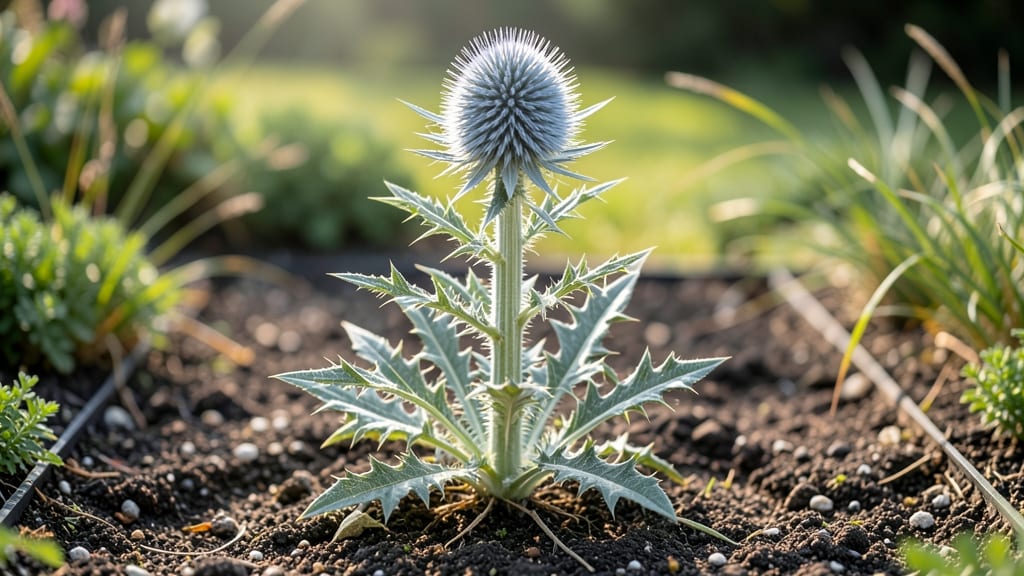
Wondering how tall does sea holly grow in your garden? This striking 🌿 plant can range from compact 1-foot beauties to towering 3-foot statement pieces, depending on the variety and growing conditions.
If you're planning a coastal garden or drought-resistant landscape, sea holly's height flexibility makes it a standout choice. Some varieties stay neatly contained, perfect for borders, while others reach impressive heights that add drama to any space.
I’ll break down the exact mature heights for popular sea holly types and share tips to encourage the growth habit that suits your garden best. Whether you’re working with limited space or dreaming of bold, eye-catching foliage, you’ll find the perfect fit.
Ready to transform your outdoor space? Let’s explore how to maximize sea holly’s potential while keeping it healthy and thriving in USDA Zone 6a and beyond.


Sea holly height by variety: exact mature heights for popular cultivars
Sea holly (Eryngium spp.) is a drought-tolerant perennial prized for its spiky blue flowers and silvery foliage. But its height varies dramatically—from compact clumps under 18 inches to towering giants over 3 feet.
The variety you choose determines whether it thrives in containers or borders or becomes a striking focal point in your garden.
Most sea holly plants reach mature heights between 1 and 3 feet, but some dwarf varieties stay as short as 12 inches, while larger species like Eryngium giganteum can stretch to 4 feet.
Understanding these differences helps you plan spacing, companion plants, and even container sizes for urban gardens.
Here’s a quick breakdown of the most popular sea holly varieties and their typical mature heights, including growth habits like clumping, upright, or spreading:
| Variety | Mature Height | Growth Habit | Best For |
|---|---|---|---|
| Eryngium planum ‘Blue Lagoon’ | 2–3 ft | Upright, clumping | Borders, cottage gardens |
| Eryngium bourgatii ‘Blue Glow’ | 1–2 ft | Compact, rounded | Containers, rock gardens |
| Eryngium amethystinum ‘Thermopylae’ | 3–4 ft | Tall, upright | Back of borders, meadows |
| Eryngium maritimum (Coastal Sea Holly) | 1.5–2.5 ft | Spreading, bushy | Coastal gardens, drought areas |
| Eryngium x oliverianum ‘Miss Wilmott’s Ghost’ | 2–3 ft | Upright, airy | Cut flowers, wildflower mixes |
| Eryngium giganteum (Giant Sea Holly) | 3–4 ft | Tall, robust | Large landscapes, focal points |
For small gardens or containers, prioritize varieties like Eryngium bourgatii or Eryngium maritimum, which stay under 2 feet. If you’re designing a wildflower meadow or cottage garden, taller options like Eryngium giganteum or Eryngium amethystinum add dramatic vertical interest.
Pro tip: Spreading varieties like Eryngium maritimum benefit from regular pruning to control width, while tall, upright types may need staking in windy areas to prevent flopping. Always plant sea holly in well-draining soil to avoid root rot, which can stunt growth.
Sea holly’s height potential also depends on soil fertility and sunlight exposure. In poor, sandy soil, plants often stay shorter but bushier, while rich, loamy soil can encourage taller growth. If you’re unsure about your soil, a simple compost amendment can help strike the right balance.
One common misconception is that all sea holly varieties grow equally fast. In reality, dwarf types mature in 1–2 years, while tall varieties may take 3+ years to reach their full height.
Patience pays off—once established, sea holly forms dense clumps that thrive for decades with minimal care.
For urban gardeners with limited space, consider dwarf sea holly in hanging baskets or window boxes
How fast does sea holly grow? Growth rate, seasons, and pruning tips
Sea holly (Eryngium spp.) grows at a steady but moderate pace, typically adding 3–6 inches per year under ideal conditions.
In my garden, I’ve seen ‘Blue Lagoon’ reach 2 feet in just 2 years with proper care, while slower growers like Eryngium bourgatii take 3–4 years to hit their mature height. Patience pays off—these plants reward you with bold, architectural blooms that last from late summer through fall.
Most varieties experience their fastest growth in spring and early summer, when temperatures rise and daylight hours lengthen. During these months, I monitor my plants closely, ensuring they get consistent moisture without soggy soil.
Overwatering can stunt growth, while drought stress slows it down—sea holly’s drought tolerance is real, but it still thrives with regular, deep watering every 7–10 days during dry spells.
🌱 Sea Holly Growth Timeline
- Year 1: 6–12 inches (focus on root establishment)
- Year 2: 18–24 inches (first blooms appear)
- Year 3+: Mature height reached (varies by variety)
💡 Pro Tip: Mulch around the base to retain moisture and encourage faster growth in dry climates.
Sea holly’s growth slows dramatically in fall and winter, especially in USDA Zones 5 and below, where cold snaps can halt activity entirely. In my Zone 6a garden, I’ve noticed minimal growth from November to March, but the plants remain evergreen in mild winters.
This dormancy period is natural—don’t panic if your sea holly seems stagnant during these months!
To control height in small gardens or encourage bushier growth, pruning is your best friend. After the first flush of blooms fades, I cut back spent stems by half using clean, sharp bypass pruners.
This stimulates new side shoots and prevents the plant from becoming leggy or top-heavy. For varieties like Eryngium planum, which can grow 3 feet tall, I also pinch back tips in early summer to promote a fuller, more compact form.
If you’re growing sea holly in containers, expect slightly slower growth due to root restriction, but the plants still thrive with well-draining potting mix and regular feeding every 4–6 weeks during the growing season.
I’ve had great success with ‘Miss Wilmott’s Ghost’ in 12-inch pots, where it tops out at 18 inches—perfect for patios and window boxes.
For maximum height potential, plant sea holly in well-draining, slightly alkaline soil with full sun exposure. Amend heavy clay soils with compost and perlite to prevent root rot, which can stunt growth permanently.
In my experience, healthy soil = faster, stronger growth, and sea holly’s unique foliage becomes even more striking when given the right conditions.