
How To
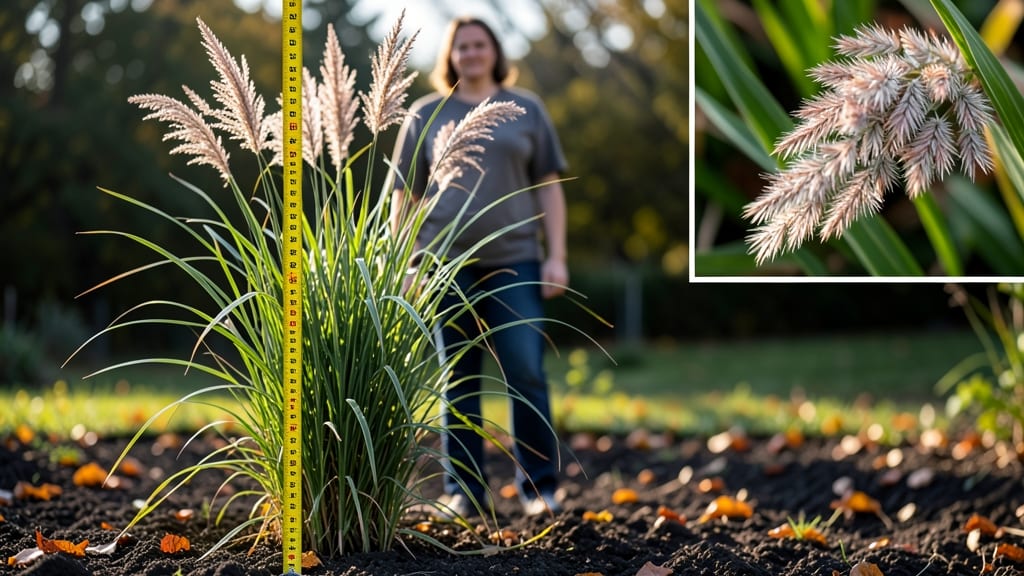
Elephant grass height by variety: from compact to sky-high giants
If you're dreaming of a lush, towering privacy screen or dramatic garden accents, elephant grass (Miscanthus giganteus) delivers—but not all varieties grow to the same sky-piercing heights.
Some stay manageable at 3-5 feet, while others can dwarf a two-story house at 12+ feet. The key? Choosing the right cultivar for your space and climate.
Most gardeners assume elephant grass is one monolithic giant, but the truth is far more nuanced. Pennisetum purpureum (common elephant grass) and Miscanthus sinensis (maiden grass) offer wildly different mature heights, even within their species.
For example, 'Malepartus' stays under 6 feet, while 'Gracillimus' stretches toward 10 feet. Your yard's layout and sunlight exposure will dictate which variety thrives—and how tall it gets.
Here's where things get interesting: Growth rates vary by variety too. Some reach 50% of their mature height in their first year, while others take 3-4 years to fully mature.
This means a 6-foot variety might still be 2 feet tall after planting, while a 12-foot giant could already be 4 feet by summer's end. Planning ahead saves headaches later.
Before you rush to plant, consider your USDA hardiness zone. Most elephant grasses thrive in zones 5-9, but their height potential shifts with climate. In warmer zones (8-9), varieties like 'Zebrinus' can grow 20-30% taller than in cooler zones (6-7).
This isn't just about aesthetics—taller grasses in warm climates may need sturdier supports or more aggressive pruning to prevent flopping in storms.
Now, let's talk about the visual element you requested—a summary table comparing the most popular elephant grass varieties by height, growth rate, and ideal uses. This will help you visualize which one fits your space before you commit to planting.
Notice how 'Gracillimus' and 'Zebrinus' offer a middle ground—tall enough for impact but not overwhelming for smaller yards. Meanwhile, Pennisetum purpureum is the aggressive grower you'll want for quick privacy solutions, while Miscanthus giganteus is the showstopper that commands attention in large landscapes.
Pro tip: If you're unsure, start with a smaller variety in a container to test how it performs in your microclimate before committing to a permanent planting.
Another critical factor is spreading habit. Taller varieties like Miscanthus giganteus can
How fast does elephant grass grow and when does it reach maximum height?
If you're planning to add elephant grass to your landscape, understanding its growth speed and maturity timeline is key. This grass isn't just tall—it grows rapidly, often shooting up 3-5 feet in its first year alone.
By year three, many varieties hit their full mature height, which can exceed 10 feet in ideal conditions.
The fastest growth occurs in spring and summer, when temperatures are warm and sunlight is abundant.
In cooler climates (USDA zones 6-9), growth may slow in late summer but resumes in fall until the first frost. Southern gardens with mild winters can see nearly year-round growth, while northern regions may experience a shorter active season.
🌱
Several factors influence how quickly your elephant grass grows. Full sun exposure (6+ hours daily) is non-negotiable—without it, growth slows dramatically. Well-draining soil rich in organic matter also fuels rapid expansion, while poor soil can stunt height by up to 30%.
Even watering habits matter: deep, weekly watering encourages taller growth, while drought stress can limit height.
For fastest results, plant in spring after last frost and fertilize lightly with a balanced 10-10-10 formula every 4-6 weeks during the growing season. Avoid over-fertilizing with nitrogen, which can promote leafy growth over height.
In my Zone 7 garden, I’ve seen Pennisetum purpureum varieties add 2 feet in a single summer with proper care.
If you're using elephant grass for privacy screening or windbreaks, expect it to reach maximum height by year 3. However, if you're growing it as a container plant, height will be significantly limited—typically half the mature size of in-ground varieties.
Always check the specific variety’s growth habits before planting!
🌿