
Size
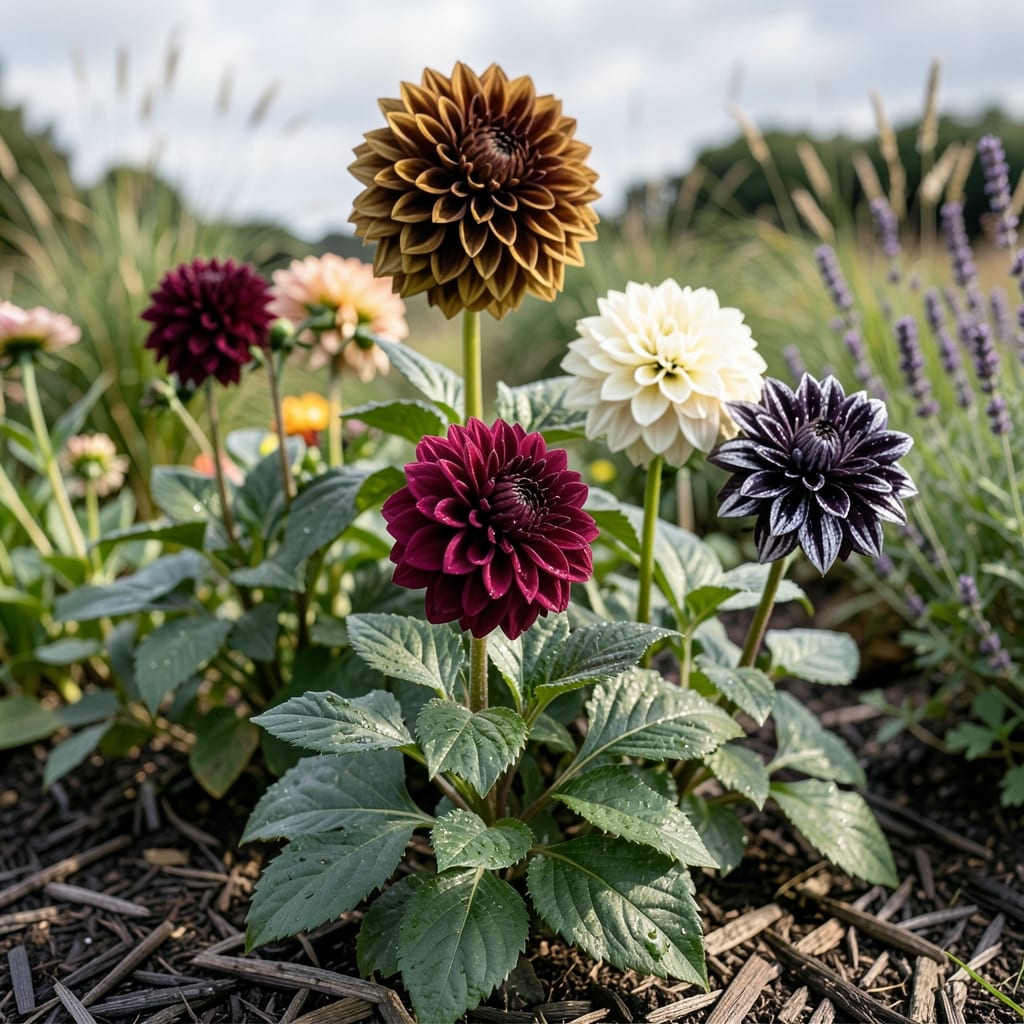
If you're wondering "dahlias how tall do they grow", the answer might surprise you—these stunning 🌸 dahlias can range from tiny tabletop blooms to towering garden giants, depending on the variety and care you provide. Whether you're planning a cozy container garden or a dramatic backyard border, understanding their height potential is key to creating the perfect space for them to thrive.
The truth is, dahlias offer something for every garden size. Some dwarf varieties stay as short as 1 foot, making them perfect for window boxes or small pots, while others can reach an impressive 7 feet or more—taller than most garden fences! This versatility means you can choose a height that fits your space, whether you're working with limited room or dreaming of a bold, eye-catching focal point.
But here's the secret: their height isn't just about the variety. Pruning, staking, and even your local climate play a huge role in how tall your dahlias will grow. With the right techniques, you can encourage a compact plant or give a giant variety the support it needs to reach its full potential. Let’s break down the different height ranges and share the care tips that’ll help you get the most out of your dahlias, no matter how big or small you want them to be.
Ready to transform your garden with these show-stopping blooms? Whether you're a first-time grower or a seasoned gardener, knowing how to manage dahlia height will help you create a space that’s as functional as it is beautiful. Let’s dive into the varieties, care secrets, and everything else you need to know to make your dahlias shine!


Dahlia height ranges by variety: from dwarf to giant (with exact measurements)
When planning your garden, knowing how tall dahlias grow is essential for creating a space that’s both functional and stunning. Dahlias come in a remarkable range of sizes, from petite dwarf varieties that fit perfectly in window boxes to giant cultivars that can reach the height of a small child. Understanding these height differences will help you choose the perfect variety for your garden layout, whether you're working with limited space or aiming for a dramatic focal point.
The height of a dahlia isn’t just about the variety, though. Factors like pruning techniques, soil quality, and even your local climate can influence how tall your plants grow. For example, a tall dahlia in a windy area might need extra support to reach its full potential, while a compact variety in rich soil could grow slightly taller than expected. Let’s explore the different height categories and what you can expect from each.
🌱 Did You Know? The tallest dahlia ever recorded reached an astonishing 8 feet, but most gardeners grow varieties between 1 and 7 feet. This range makes them incredibly versatile, from small containers to large garden borders.
| Variety Type | Height Range | Ideal Spacing | Support Needed | Best For |
|---|---|---|---|---|
| Dwarf | 1–2 ft | 6–12 in apart | None (or small stakes) | Containers, window boxes, small gardens |
| Miniature | 2–3 ft | 12–18 in apart | Optional (light staking) | Borders, mixed planters, cutting gardens |
| Medium | 3–4 ft | 18–24 in apart | Stakes or cages | Garden beds, privacy screens, cut flowers |
| Tall | 4–6 ft | 24–36 in apart | Strong stakes or trellises | Backyard borders, focal points, tall arrangements |
| Giant | 6–8 ft | 36–48 in apart | Heavy-duty supports or cages | Privacy screens, dramatic displays, large containers |
If you're wondering how tall dahlias grow in your specific garden, consider the variety you choose first. For instance, 'Mignon' dahlias typically stay under 2 feet, making them ideal for small spaces or container gardening. On the other hand, varieties like 'Karma Choc' or 'Thomas Edison' can soar to 7 feet or taller, creating a stunning vertical display that draws the eye upward.
One common misconception is that all dahlias are tall and require a lot of space. In reality, there’s a dwarf dahlia for nearly every garden size. These compact varieties are perfect for urban gardens, balconies, or even as tabletop centerpieces. They also make it easier to manage care tasks like watering and pruning, as they’re more accessible and less prone to flopping over.
For those with larger spaces, tall dahlias can be a game-changer. Imagine a row of 6-foot dahlias lining your garden path or a single giant variety serving as a breathtaking focal point. These taller plants thrive when given proper support, such as bamboo stakes or metal cages, which help them maintain their height and prevent them from bending or breaking in windy conditions.
When planning your garden layout, always account for mature height and bloom size. A 4-foot dahlia with large, dramatic blooms can overwhelm a small garden, while a 2-foot variety with tiny flowers might get lost in a large border. Balancing these factors ensures your dahlias complement your space rather than compete for attention.
Pro tip: If you're unsure about height, start with a mix of medium and dwarf varieties to see what works best in your garden. You can always add taller plants later if you fall in love with the look of giant dahlias! Just
🌼 Whether you're a beginner or a seasoned gardener, choosing the right dahlia height can make all the difference in creating a garden that’s both practical and breathtaking. Now that you know the range, it’s time to pick your perfect variety and get growing!
Dahlia height ranges by variety: from dwarf to giant (with exact measurements)
When planning your dahlia garden, knowing exact height ranges by variety is essential. Dahlias aren’t one-size-fits-all—they span from 1-foot tabletop dwarfs to 7-foot giants! This diversity lets you tailor your garden layout, whether you need a low-border or a backyard statement piece. The key is matching the variety to your space and support needs.
Most gardeners assume all dahlias are tall, but the truth is far more exciting. Dwarf varieties like 'Mignon' stay under 2 feet, perfect for containers or window boxes. Meanwhile, giant cultivars such as 'Black Narcissus' can reach 7 feet or taller with proper care. Understanding these categories helps you avoid overcrowding or underutilizing your garden’s vertical space.
| Variety Type | Height Range | Ideal Spacing | Support Needed |
|---|---|---|---|
| Dwarf | 1–2 ft | 12–18 inches apart | None (compact stems) |
| Miniature | 2–3 ft | 18–24 inches apart | Optional (light staking) |
| Medium | 3–4 ft | 24–30 inches apart | Light stakes or cages |
| Tall | 4–6 ft | 30–36 inches apart | Strong stakes or trellises |
| Giant | 6–8 ft | 36–48 inches apart | Heavy-duty supports or cages |
Choosing the right variety isn’t just about height—it’s also about bloom size and growth habit. For example, 'Café au Lait', a medium-height variety, produces 6-inch blooms on 4-foot stems, making it ideal for mixed borders. In contrast, 'Arabian Night', a giant, boasts 10-inch blooms on stems that need 7-foot support to avoid flopping.
Pro tip: If you’re short on space, consider dwarf or semi-dwarf varieties like 'Bishop' or 'Tom Thumb'. These stay under 3 feet but still deliver showstopping blooms. For vertical gardens, tall varieties like 'Thomas Edison' (5–6 feet) can train along fences or trellises, adding height without taking up valuable ground space.
Remember, height isn’t set in stone—pruning and care can adjust growth by up to 20%. For instance, pinching back early shoots can encourage bushier growth in tall varieties, while minimal pruning lets giants reach their full potential. The key is balancing your garden’s layout with the variety’s natural tendencies.
Now that you know the height ranges, your next step is to plan for support structures and spacing. Tall dahlias need sturdy stakes or cages to prevent flopping, while dwarfs thrive in containers or window boxes. Whether you’re aiming for a privacy screen or a cut-flower garden, the right variety and care will make all the difference.