
Flowers
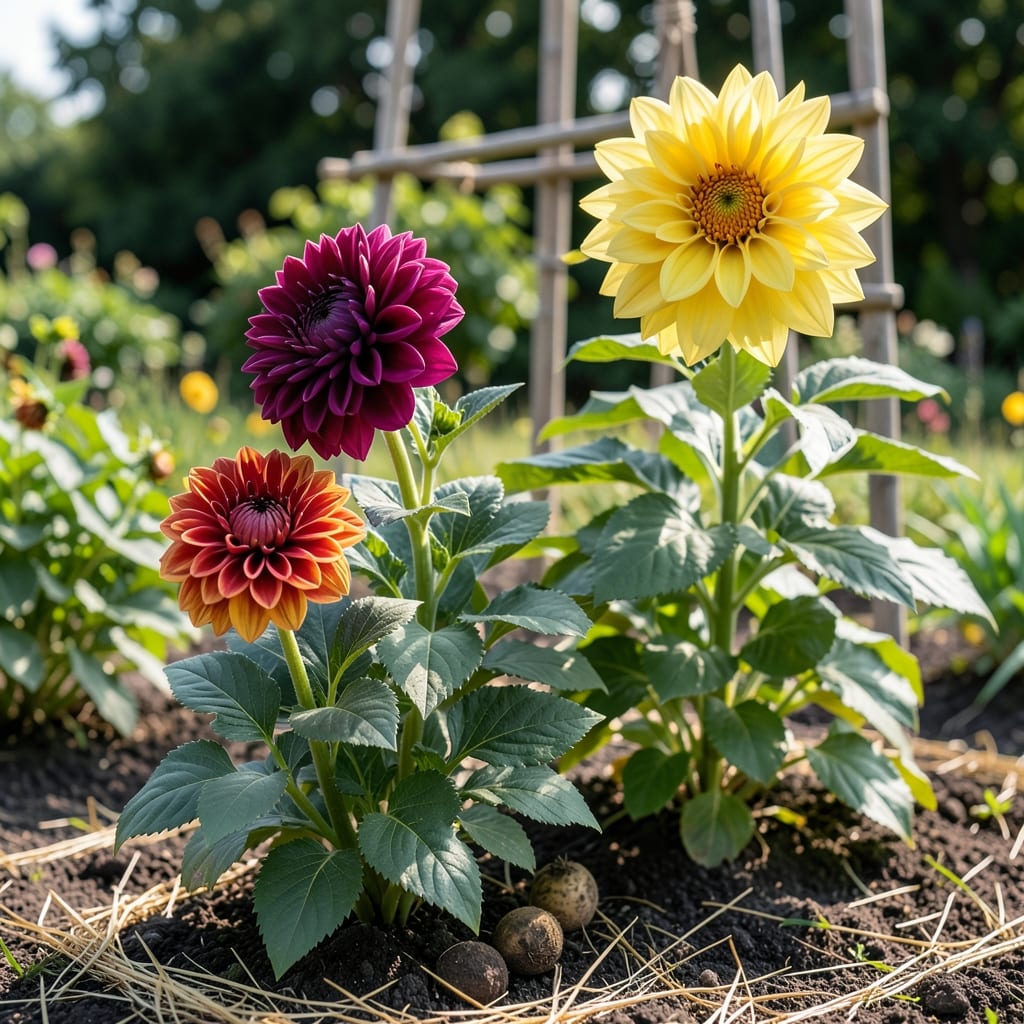
If you’ve ever wondered how tall can dahlias grow, the answer might surprise you—some varieties reach 7 feet or taller, turning your garden into a living floral skyscraper! Whether you’re dreaming of dramatic centerpieces or just curious about these showstopping blooms, understanding their growth habits is the key to success.
Dahlias aren’t just one-size-fits-all; their height varies wildly from dwarf varieties at just 1 foot to towering giants that need staking like a 6-foot-tall statement piece. The secret to unlocking their full potential lies in pruning, sunlight, and soil—all factors that can push them toward their maximum height or keep them compact and manageable.
For beginners, this means choosing the right variety for your space and learning when to pinch back stems to encourage bushier growth. Experienced gardeners know that giant dahlias require extra care—think sturdy supports, rich soil, and consistent watering to keep them thriving. Let’s break down everything you need to know to grow dahlias that wow, no matter your garden’s size.
From dwarf 🌼 varieties perfect for containers to sky-high blooms that steal the show, we’ll cover it all—so you can decide whether to go small, medium, or full-on dramatic with your dahlias this season.

Dahlia height guide: from compact to sky-high varieties (with exact measurements)
Dahlias are one of the most dramatic plants in your garden, offering heights that range from 8 inches to a staggering 8 feet. The variety you choose determines not just how tall your dahlias grow, but also how much space they need and how much support they’ll require. For example, 'Mignon' series dahlias stay compact at just 12-18 inches, perfect for borders, while 'Galaxy' series varieties can tower over your fence at 6-7 feet.
Understanding these height differences helps you plan your garden layout. Dwarf varieties thrive in containers or small spaces, while giant dahlias need room to stretch their legs—and sturdy stakes to keep them upright. Even within the same variety, first-year plants may only reach 2-3 feet, but with proper care, they’ll mature to their full height by their second year.
Here’s the breakdown: Dwarf (8-18"), Semi-Dwarf (1.5-3'), Standard (3-6'), and Giant (6-8'). The tallest cultivars, like 'Karma Choc' or 'Café au Lait', are showstoppers that need at least 3 feet of spacing between plants to avoid crowding and disease.
| Variety Type | Height Range | Spacing Needs | Best For |
|---|---|---|---|
| Dwarf (e.g., 'Mignon') | 8-18" | 6-12" | Containers, borders |
| Semi-Dwarf (e.g., 'Café au Lait') | 1.5-3' | 12-18" | Cutting gardens, mixed beds |
| Standard (e.g., 'Bishop') | 3-6' | 18-24" | Back of borders, staking |
| Giant (e.g., 'Karma Choc') | 6-8' | 3-4' | Specimen plants, trellises |
If you’re growing dahlias for cut flowers, taller varieties like 'Galaxy' or 'Thomas Edison' are ideal—their long stems (up to 36 inches) make stunning bouquets. But even shorter varieties like 'Little Chief' (18-24") produce long-lasting blooms perfect for vases. The key is matching the variety to your garden’s space and sunlight—giant dahlias need full sun (6+ hours) and rich, well-draining soil to reach their full height potential.
Pro tip: First-year dahlias rarely reach their mature height. For example, a 6-foot giant might only grow to 2-3 feet in its first season. To encourage rapid growth, fertilize with a phosphorus-rich formula (like 5-10-10) every 4-6 weeks during the growing season. This gives their roots the boost they need to support that vertical growth.
For container gardening, stick to dwarf or semi-dwarf varieties—even the largest containers (18-24" diameter) can’t accommodate giants like 'Café au Lait'. Instead, opt for 'Mignon' series or 'Tom Thumb' varieties, which thrive in pots and add color to patios without taking over. Just ensure your container has drainage holes and use a lightweight potting mix to prevent root rot.
Height isn’t just about aesthetics—it also affects wind resistance. Tall dahlias (5+ feet) need staking or trellising to prevent them from toppling in storms. I’ve seen 7-foot 'Galaxy' dahlias snap in half during summer thunderstorms because they weren’t properly supported. More on that in the next section!
One common mistake is assuming all dahlias grow tall. Dwarf varieties are bred to stay short, but even they can stretch if over-fertilized with nitrogen. Always check the variety’s description—some "dwarf" types might still reach 2 feet if given ideal conditions. For example, 'Little Angel' is labeled as dwarf but can grow to 18-24 inches with extra care.
🌼
How to support giant dahlias: staking, trellising, and soil tips for 6-Foot+ growth
Giant dahlias—those 6-foot-tall floral giants—need more than just sunshine to reach their full potential. Without proper support, their top-heavy blooms can snap in wind or storms, leaving you with a sad, leaning plant. The key to keeping them standing tall lies in staking, trellising, and soil prep, all of which work together to create a stable foundation for their rapid vertical growth.
For varieties like 'Karma Choc' or 'Galaxy' series, which can hit 7–8 feet, staking isn’t optional—it’s essential. I’ve found that bamboo stakes or metal cages work best because they’re sturdy enough to handle the weight of large blooms. If you’re growing dahlias in containers or small spaces, opt for tomato cages or spiral stakes to save room while still providing support.
💡 Pro Tip for Giant Dahlias
Use 3–4 stakes per plant arranged in a triangle for maximum stability. Tie stems loosely with soft plant ties or old pantyhose to avoid damaging the woody stems as they thicken. Re-tie every 2–3 weeks to accommodate growth.
Soil secret: Amend your soil with compost and bone meal before planting to boost phosphorus, which fuels root and stem strength—critical for supporting heavy blooms.
If you’re feeling creative, DIY trellises made from wooden dowels or even repurposed ladder frames can add a rustic charm while providing support. Just ensure the trellis is buried 6–12 inches deep or anchored securely to the ground. For windy areas, consider tying plants to a sturdy fence or wall with soft twine to prevent flopping.
Don’t overlook the soil’s role in supporting tall dahlias. Heavy clay soil can suffocate roots, while sandy soil lacks the nutrients needed for strong stem development. Aim for a well-draining, nutrient-rich mix with a pH between 6.0–7.0. Mix in aged compost and a balanced fertilizer (like 5-10-10) at planting time, then top-dress with compost every 4–6 weeks to keep them fed for rapid growth.
For container gardeners, choose large pots (at least 12–15 inches wide) with drainage holes to prevent root rot. Fill the bottom third with gravel or perlite for aeration, then layer with potting mix blended with compost. Place the pot in a wheelbarrow or saucer to catch water runoff and add stability, especially if your dahlias are top-heavy.
Remember, consistent watering is just as important as support. Giant dahlias need 1–2 gallons of water per plant every 2–3 days during peak summer growth. Water deeply in the morning to reduce fungal risks and encourage strong root development. Mulch around the base with straw or wood chips to retain moisture and protect stems from wind damage.