
How To
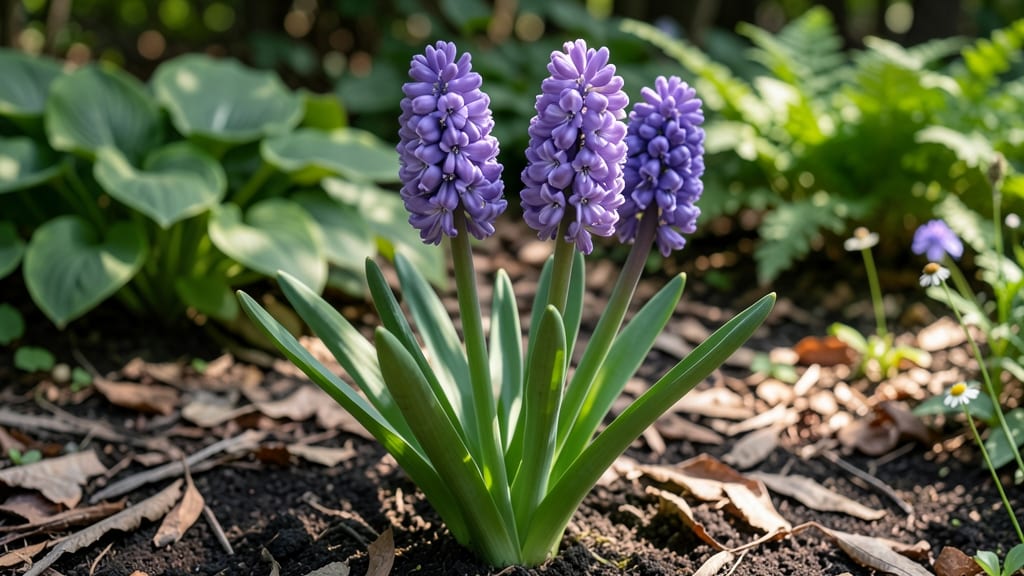
Wondering how tall do hyacinth grow before they steal the show in your garden? These fragrant blooms 🌷 can surprise you—some varieties barely reach your ankles, while others soar nearly to your waist!
The height difference isn’t just about aesthetics; it directly impacts where you plant them and how you care for them.
If you’ve ever struggled to place hyacinths in your landscape, knowing their exact height range is the key. Dwarf varieties stay compact at just 6-10 inches, making them perfect for borders or containers, while standard types can stretch up to 18 inches.
But here’s the twist: their final height depends on more than just the variety—soil, sunlight, and even when you plant them play a role.
I’ll break down the exact height ranges by variety so you can pick the perfect fit for your space. Plus, I’ll share pro tips to encourage taller growth (or keep them shorter) without sacrificing those stunning blooms. Ready to turn your garden into a fragrant masterpiece?
Whether you’re a beginner or a seasoned gardener, understanding these details will help you place your hyacinths with confidence. Let’s dive into the specifics so you can enjoy their beauty—and fragrance—without any surprises.


Hyacinth height ranges by variety: from dwarf to giant
Hyacinths are one of the most versatile spring bloomers, offering heights that range from ankle-height charmers to waist-high statement plants. The variety you choose will determine how much space they occupy in your garden beds or containers.
For example, 'Mini Star' stays compact at just 6-8 inches tall, while 'Giant Pink' can soar to 18 inches or more. Understanding these differences helps you plan borders, window boxes, or even forced indoor blooms.
Most gardeners assume all hyacinths reach similar heights, but the truth is far more exciting. Dwarf varieties are perfect for rock gardens or edging, while tall varieties make stunning focal points in perennial beds. Even within a single cultivar, height can vary by 2-4 inches depending on growing conditions.
Let’s explore the exact height ranges you can expect from popular hyacinth types, so you can pick the perfect fit for your space.
🌷 Pro Tip: Always check the plant tag or nursery description—some "standard" varieties are actually bred to be semi-dwarf for container growing.
| Variety | Height Range | Best For | Notes |
|---|---|---|---|
| 'Mini Star' | 6–8 inches | Rock gardens, containers | Dwarf hybrid; blooms early |
| 'Delft Blue' | 8–12 inches | Borders, window boxes | Classic blue; sturdy stems |
| 'Woodstock' | 10–14 inches | Cut flowers, cottage gardens | Fragrant; disease-resistant |
| 'Giant Pink' | 16–18 inches | Back of borders, focal points | Tallest common variety; needs staking |
| 'Jan Bos' | 12–16 inches | Cutting gardens, mixed beds | Deep pink; long vase life |
If you’re growing hyacinths in containers, opt for dwarf or semi-dwarf varieties—their compact roots thrive in pots as small as 6 inches deep. For in-ground planting, taller varieties like 'Giant Pink' need well-draining soil and support stakes to prevent flopping in wind or rain.
I’ve found that even standard-height hyacinths (12–16 inches) benefit from light staking if planted near walkways where foot traffic might disturb them.
One common mistake is assuming all hyacinths grow to the same height based on their flower color. While pinks and purples often lean taller, white varieties like 'Carnegie' can surprise you with 14–16 inch stems.
Always verify the cultivar name before purchasing—some nurseries sell "hyacinth mixes" that include a blend of heights, which can lead to an uneven display.
For forced indoor blooms, dwarf varieties like 'Mini Star' are ideal because they fit easily on windowsills or countertops. Place the bulb in a small pot with drainage holes and chill it for 10–12 weeks before bringing it indoors.
This method lets you enjoy hyacinths anytime of year, regardless of outdoor growing conditions.
When planning your garden layout, consider pairing tall hyacinths with shorter perennials like heuchera or ajuga to create visual layers. Taller varieties also work beautifully in cut flower arrangements, where their 16–18 inch stems provide height contrast against shorter blooms like snapdragons or dianthus.
If you’re new to growing hyacinths, start with 'Delft Blue' or 'Woodstock'—their medium height (10–14 inches) is forgiving for beginners and fits seamlessly into most garden designs. These varieties also rebloom reliably if you allow their foliage to photosynthesize for 6–8 weeks after flowering.
Remember, hyacinth height isn’t just about the stem length—it’s also about the spread of foliage. A 12-inch-tall hyacinth might have leaves that fan out 8–10 inches wide, so account for that when spacing plants. For example, in a 6-inch-wide container, a single 'Giant Pink'
Hyacinth height ranges by variety: from dwarf to giant
Hyacinths are one of the most versatile spring bloomers, offering a stunning range of heights that can transform your garden’s vertical interest. While most varieties fall within the 6 to 18-inch range, some special cultivars can grow even taller or stay remarkably compact.
Understanding these differences helps you choose the perfect variety for your space—whether you want ankle-grazing blooms near pathways or dramatic waist-high displays in borders.
The height of your hyacinths isn’t just about aesthetics—it also affects how you plant, stake, and maintain them. For example, taller varieties may need support to prevent flopping in wind or rain, while dwarf types thrive in containers or edging roles.
Let’s explore the exact height ranges of popular hyacinth varieties so you can plan with confidence.
| Variety | Height Range | Best For |
|---|---|---|
| 'Delft Blue' | 6–10 inches | Containers, borders, rock gardens |
| 'Jan Bos' | 10–14 inches | Mixed borders, cottage gardens |
| 'Woodstock' | 12–16 inches | Cut flowers, focal points |
| 'Anna Marie' | 14–18 inches | Back of borders, tall arrangements |
| 'King of the Blues' | 16–20 inches | Dramatic displays, staking required |
🌷 Pro Tip: Measure your space before planting—hyacinths grow 30% taller when staked!
If you’re growing hyacinths in containers or small gardens, dwarf varieties like 'Delft Blue' or 'Trixie' are ideal—they rarely exceed 10 inches and fit perfectly in window boxes or hanging baskets.
For cut flower arrangements, taller types like 'Woodstock' or 'Anna Marie' provide stunning stems, often reaching 14 to 18 inches at maturity. Even within a single variety, height can vary by 2–4 inches depending on growing conditions, so always check the specific cultivar’s label.
One common misconception is that all hyacinths grow to the same height. In reality, the difference between a dwarf and a tall variety can be as much as 14 inches!
This variation is why gardeners often mix heights in borders—for example, pairing 10-inch 'Jan Bos' with 16-inch 'King of the Blues' creates a layered, textured look. For urban gardens with limited space, consider planting dwarf hyacinths in terracotta pots or along fence lines where their compact stature shines.
To get the most accurate height prediction for your hyacinths, start by choosing bulbs labeled with the exact variety name. Avoid generic "mixed hyacinth" bulbs, as their heights can be unpredictable.
Once planted, monitor growth early—you’ll notice the first 4–6 inches of growth happen quickly in spring, with the remaining height developing over 2–3 weeks. If you’re unsure about staking needs, observe how your plants lean; if they bend more than 30 degrees, it’s time to add support.
For those who love experimenting, try growing multiple varieties side by side to compare their heights firsthand. The visual contrast between a 6-inch dwarf and a 18-inch giant can be breathtaking—and it’s a great way to learn what works best in your microclimate.
Just remember: soil fertility and sunlight exposure can tweak these ranges slightly, so adjust your expectations based on your garden’s conditions.