
How To
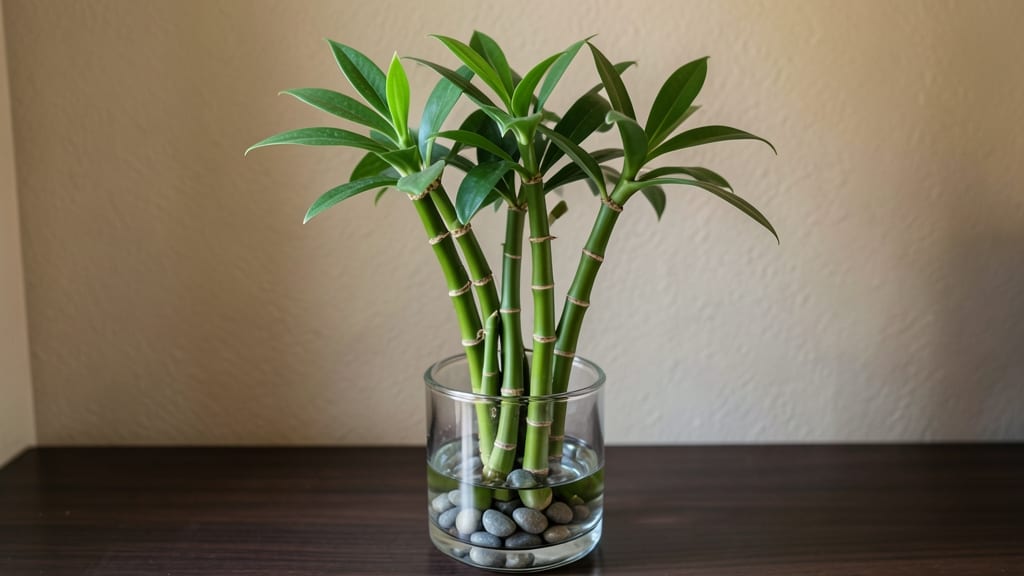
Wondering how tall does bamboo grow in pots before it takes over your patio? The answer depends more on the variety you choose than you might think—and dwarf species can stay surprisingly compact when given the right care.
If you're dreaming of adding 🌿 bamboo to your space but worried about runaway growth, there's good news: with proper container selection and maintenance, you can keep even standard varieties under 10 feet—or lower.
The key lies in understanding which species thrive in pots and how to manage their roots.
In this guide, I'll break down exactly which bamboo types stay manageable in containers, how pot size affects height, and the simple pruning tricks that keep your bamboo looking tidy year-round.
Whether you're working with 6a zone conditions or a sunny urban balcony, these tips will help you grow bamboo that fits your space—without the hassle.
Ready to transform your small garden or patio into a lush, bamboo-filled retreat? Let's dive into the most important factors that control bamboo height in pots so you can enjoy its beauty without the overgrowth worries.


How tall bamboo grows in pots: factors that control height
When growing bamboo in pots, height isn't just about the species—it's a mix of pot size, root management, and soil depth. Unlike their ground-grown counterparts, potted bamboo hits a natural growth ceiling because their roots can't spread infinitely.
The deeper and wider your pot, the taller your bamboo can grow—but even then, most dwarf varieties max out at 6-8 feet with proper care.
One of the biggest misconceptions is that all bamboo will eventually escape its container. In reality, running bamboo (like Phyllostachys) spreads aggressively in the ground but stays contained in pots if you prune the roots regularly.
Meanwhile, clumping bamboo (like Fargesia) naturally stays compact, making it ideal for small spaces. Understanding these differences is the first step to controlling height.
The depth of your pot directly impacts how tall your bamboo will grow. A shallow pot restricts root growth, which in turn limits the plant's ability to send up new shoots.
Aim for at least 12-18 inches deep for dwarf varieties, but even then, you'll need to prune roots every 1-2 years to prevent overcrowding. Without this step, your bamboo might still reach 10 feet or more, even in containers.
Another critical factor is soil composition. Bamboo thrives in well-draining, slightly acidic soil (pH 5.5-6.5). Mixing organic matter like compost with sand or perlite improves aeration and prevents waterlogging, which can stunt growth.
Poor drainage forces roots to compete for oxygen, slowing down the plant's ability to reach its full height potential.
Light exposure also plays a surprising role in height control. While bamboo loves bright indirect light, too much direct sun can cause rapid, leggy growth.
If your potted bamboo starts stretching toward the light, it's a sign it needs to be moved to a shadier spot or rotated regularly. In USDA Zone 6a, where many gardeners grow bamboo, morning sun with afternoon shade is ideal for keeping growth balanced.
Let's break down the key factors that control bamboo height in pots. The table below summarizes how each element—from pot size to pruning—affects your plant's growth trajectory.
🌱 Factors Controlling Bamboo Height in Pots
| Factor | Impact on Height | Actionable Tip |
|---|---|---|
| Pot Depth | Deeper pots = taller growth (up to 12-18 inches) | Use 12-18" deep pots for dwarf varieties |
| Root Pruning | Reduces height by 30-50% if done annually | Trim roots every 1-2 years in spring |
| Soil Type | Poor drainage stunts growth; rich soil encourages height | Mix compost + sand for optimal aeration |
| Light Exposure | Too much sun = leggy, tall growth; shade = compact | Provide 4-6 hours of bright indirect light |
| Variety Type | Clumping = naturally short; running = taller without pruning | Choose Fargesia for under 6 ft; Bambusa for 6-10 ft |
If you're growing running bamboo in pots, regular root division is non-negotiable. These varieties send out rhizomes (underground stems) that can circle the pot and strangle the plant if left unchecked. By dividing the clump every 1-2 years, you not only control height but also rejuvenate the plant.
This is especially critical if your bamboo starts to outgrow its pot—a sure sign it's time to intervene.
Watering habits also indirectly affect height. While bamboo loves moisture, overwatering can lead to weak stems and underwatering stunts growth. Aim for consistent moisture—about 1 inch per week—and always use pots with drainage holes.
In Zone 6a, where winters can be harsh, reduce watering in fall and winter to prevent root rot, which weakens the plant's structure and may cause it to grow taller in spring as it recovers.
For gardeners in small spaces or urban settings, the best way to keep bamboo under 10 feet is to combine the right variety with proactive care.
Dwarf varieties like Bambusa multiplex (also called thunderhead bamboo) naturally stay under 6 feet in pots, while Fargesia robusta (robust fountain bamboo) tops out at 8 feet.
Pair these with annual pruning and root management, and you'll have a bamboo that fits perfectly in your patio or balcony.
Remember, the goal isn't just to limit height—it's to create a healthy, balanced plant that thrives in its container. By mastering these factors, you'll enjoy the beauty of bamboo without the worry of it taking over your space. Next, let
How tall bamboo grows in pots: factors that control height
When you plant bamboo in pots, its height isn't just about genetics—it's a mix of pot size, root pruning, and variety selection.
Unlike in-ground bamboo that can shoot up to 50 feet in ideal conditions, potted bamboo stays contained because its roots hit the pot's edges, triggering a natural growth response called root restriction. This limits vertical growth while still allowing healthy foliage development.
The depth of your pot plays a huge role. Shallow containers force bamboo to grow wider rather than taller, while deep pots (at least 12 inches deep) encourage more vertical growth.
For example, a 5-gallon pot might keep a dwarf variety around 6 feet tall, while the same plant in a 20-gallon container could reach 8-10 feet. The key is balancing root space with your desired height.
Bamboo species also dictate height potential. Running bamboo (like Phyllostachys) spreads aggressively but can be pruned to stay under 10 feet in pots. Clumping bamboo (such as Fargesia) naturally stays compact, often under 6 feet even in large containers. Choosing the right type is half the battle when controlling height in small spaces.
🌱 Key Factors Controlling Bamboo Height in Pots
| Factor | Impact on Height | Actionable Tip |
|---|---|---|
| Pot Depth | Deeper pots = taller growth | Use 12-18" deep for dwarf varieties |
| Root Pruning | Stops root spread = limits height | Trim roots every 6-12 months |
| Variety Type | Clumping <3ft, Running 6-10ft | Choose Fargesia for compact growth |
| Fertilizer Type | High nitrogen = faster vertical growth | Use balanced 10-10-10 in spring |
Another critical factor is seasonal care. During spring and summer, bamboo grows fastest, so regular pruning of new shoots keeps it from shooting up unexpectedly. I recommend trimming back any shoots that exceed your target height by one-third in early summer.
This redirects energy to existing stems rather than new vertical growth.
Don't forget about drainage. Poor drainage leads to root rot, which stresses the plant and can cause stunted growth or sudden height spikes as the bamboo compensates.
Always use pots with drainage holes and a well-draining soil mix (like 60% potting soil, 30% perlite, 10% sand). This keeps roots healthy and growth predictable.
Finally, light exposure affects height too. Bamboo in full sun grows taller but may become leggy, while partial shade encourages bushier, more compact growth. For potted bamboo, aim for 4-6 hours of morning sun and afternoon shade.
This balance helps maintain a sturdy, manageable height while keeping foliage lush and vibrant.