
Flowers
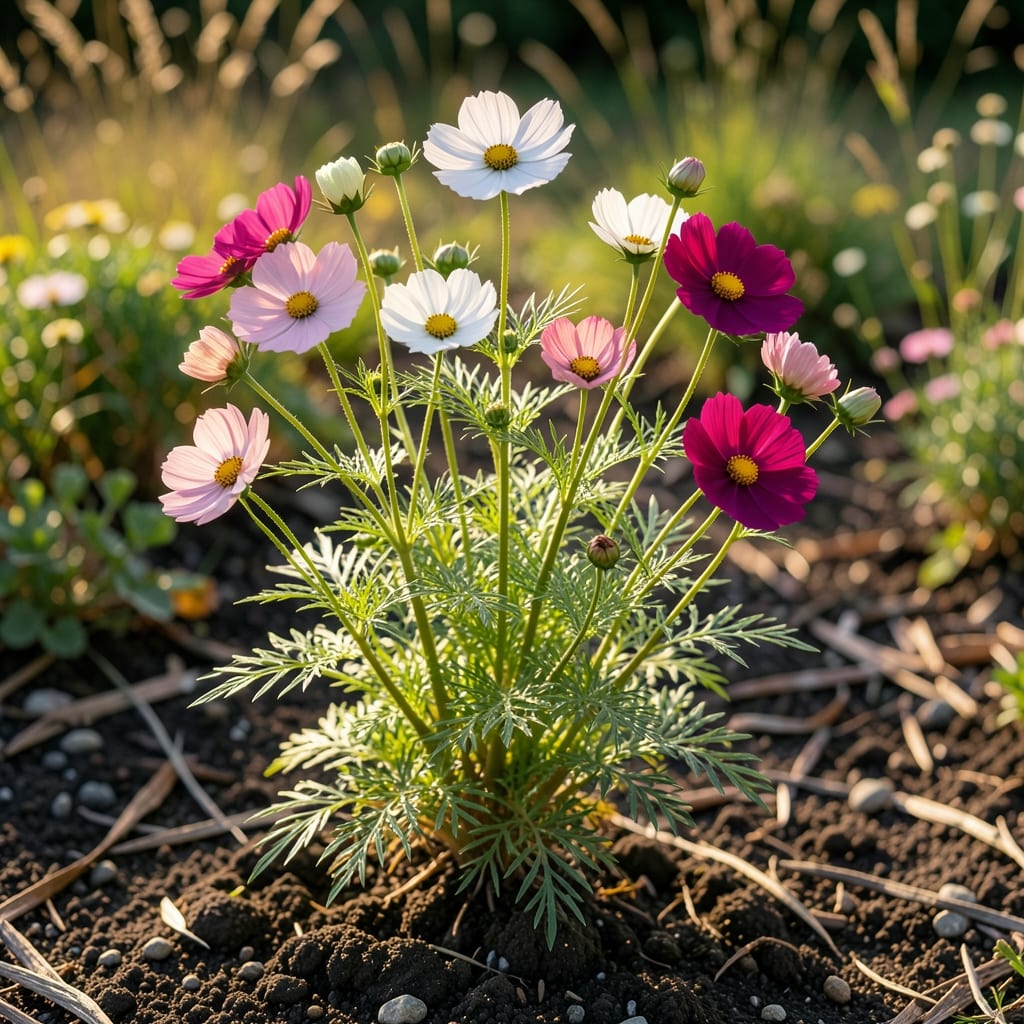
If you’ve ever wondered how tall can cosmos grow, you’re in for a surprise—these cheerful 🌸 flowers can reach towering heights of 6 feet or more, turning your garden into a vertical masterpiece with almost no effort. What makes them even better? Cosmos thrive in USDA Zone 6a and beyond, making them perfect for spring plantings that bloom from July through October.
Not all cosmos are created equal—some stay compact at just 1-2 feet, while others stretch skyward like natural trellises. The key to unlocking their full height lies in understanding their varieties, from dwarf types ideal for borders to giant cultivars that dominate the back of your garden beds. Whether you’re aiming for dramatic backdrops or bouquet-worthy stems, the right cosmos variety can transform your space.
But here’s the best part: cosmos don’t demand fancy care to hit their maximum height. With the right balance of sunlight, soil, and occasional pruning, you can coax even the tallest varieties to flourish. I’ll show you exactly how to maximize their growth—plus, which varieties are best for cut flowers or pollinator-friendly gardens. Let’s dive in!
Ready to add some sky-high drama to your garden? You’ll learn the secrets behind cosmos’ impressive growth, how to choose the perfect variety for your space, and practical tips to keep them thriving all season long. Your garden’s vertical potential starts here!

Cosmos height variations: from dwarf to towering giants
If you’re wondering how tall can cosmos grow, the answer depends entirely on the variety you choose—some stay modest at just 1-2 feet, while others shoot up like natural obelisks, reaching 6 feet or taller. This dramatic range makes cosmos incredibly versatile, whether you’re designing a pollinator garden or a cut-flower border. The key lies in their genetics: Cosmos bipinnatus, the most common species, includes both dwarf and giant cultivars.
The dwarf cosmos varieties, like 'Purity' or 'Dwarf Mix,' max out around 1-2 feet, perfect for edging pathways or container gardens. These compact plants bloom profusely but stay low to the ground, making them ideal for small spaces or rock gardens. On the opposite end of the spectrum, varieties like 'Bright Lights' and 'Sensation Mix' can easily surpass 5 feet, creating bold vertical accents in your landscape.
Most gardeners plant standard cosmos varieties, which typically mature between 3-5 feet. These are the workhorses of the cosmos family—durable, low-maintenance, and perfect for back-of-the-border planting. Over time, I’ve found that even these mid-sized varieties can stretch taller with the right care, especially when grown in full sun and well-draining soil.
Here’s a quick breakdown of what to expect from different cosmos types based on my years of growing them:
The tallest cosmos varieties, such as 'Cosmos bipinnatus 'Seashells' or 'Cosmos bipinnatus 'Double Click,' can reach 6 feet when given ideal conditions. These giants are perfect for creating natural screens or towering backdrops in cottage-style gardens. However, they do require support structures like stakes or cages to prevent flopping, especially in windy areas.
One of my favorite discoveries is how cosmos height varies by year. In their first year, even tall varieties might only reach 2-3 feet, but by their second or third year, they can double in height. This makes them a fantastic long-term investment for gardeners willing to wait for their full potential. For example, a 'Sensation Mix' plant might stay at 3 feet in its first season but easily surpass 5 feet the following year.
If you’re growing cosmos for cut flowers, taller varieties are your best bet—they produce longer stems that hold up well in bouquets. I’ve found that 'Bright Lights', with its 5-6 foot height, is a crowd-pleaser for arrangements, while shorter varieties like 'Purity' work better for dried flower bundles or small posies.
Choosing the right cosmos height isn’t just about aesthetics—it’s also about garden function. Tall cosmos can block unsightly views, while dwarf varieties keep pathways looking neat. The beauty of cosmos is their adaptability; no matter your space or goal, there’s a height perfect for you.
Now that you know the range, let’s explore how to maximize their growth—because with the right care, even a 2-foot variety can surprise you with extra height! 🌸
Factors that influence cosmos plant height (and how to maximize growth)
If you’re aiming for towering cosmos that reach their full 5-6 foot potential, you’ll need to focus on the right growing conditions. The good news? Cosmos are remarkably forgiving, but a few key factors can make all the difference in pushing them toward their maximum height—or keeping them compact if that’s your goal.
First, sunlight exposure is non-negotiable. Cosmos thrive in full sun (6+ hours daily), and plants grown in partial shade will stay significantly shorter. I’ve seen 'Bright Lights' cosmos reach 4 feet in full sun but only 2 feet when planted under dappled shade. Even just an extra hour of sunlight can translate to 6-12 inches of added height by maturity.
Next, soil quality plays a surprising role. While cosmos tolerate poor soil, they’ll grow taller and stronger in well-draining, nutrient-rich soil. Amending your garden beds with compost or a balanced 5-10-10 fertilizer (applied lightly in spring) can boost their vertical growth by up to 20%. Avoid heavy clay soils, which can stunt their roots and limit their height potential.
🌱 5 Key Factors That Control Cosmos Height
- 🌞 Sunlight: 6+ hours daily = max height; partial shade = shorter growth
- 🌍 Soil: Well-draining, compost-amended soil = taller stems; heavy clay = stunted growth
- 💧 Watering: Deep watering encourages strong roots; surface watering = leggy plants
- ✂️ Pruning: Pinch back early = bushier, shorter plants; no pruning = taller but fewer blooms
- 🌱 Spacing: Overcrowding = shorter, weaker stems; proper spacing = full height potential
Watering techniques also impact height. Cosmos are drought-tolerant, but consistent deep watering (1-2 inches per week) encourages stronger root systems, which in turn supports taller growth. Shallow watering leads to leggy, weak stems that flop over—especially true for giant varieties like 'Seashells.' I’ve found that mulching around the base helps retain moisture and promotes steady upward growth.
Pruning is another game-changer for height control. If you want shorter, bushier cosmos, pinch back the tips when plants are 6-8 inches tall. This encourages lateral branching and keeps them compact. However, if your goal is maximum height, avoid pruning—let the plants grow naturally. Just be prepared to stake taller varieties to prevent flopping in windy conditions.
Finally, plant spacing affects height potential. Overcrowded cosmos compete for nutrients and sunlight, resulting in shorter, weaker stems. Give each plant 12-18 inches of space (more for giant varieties) to ensure they reach their full height. In my garden, I’ve seen 'Sensation Mix' cosmos grow 1 foot taller when spaced properly versus when planted too closely.
With these factors in mind, you can easily coax even dwarf varieties to grow taller—or keep giant cosmos in check. The beauty of cosmos is their adaptability; a little attention to these details can transform your garden into a vertical paradise! 🌿