
Size
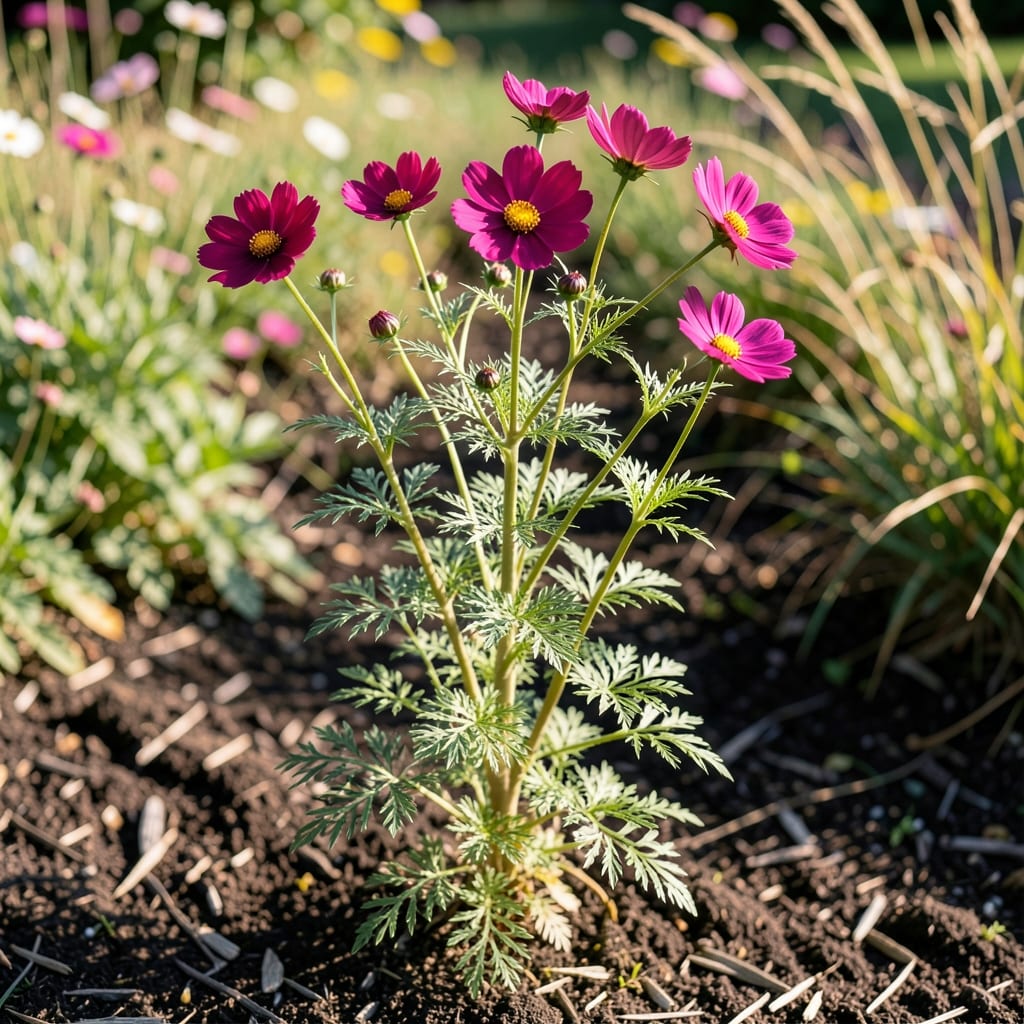
If you’ve ever planted cosmos flowers hoping for a neat, contained border but ended up with towering stems reaching for the sky, you’re not alone—how tall cosmos grow can be a pleasant surprise (or a gardening challenge!). These airy 🌼 beauties range from delicate dwarf varieties barely reaching your knees to bold giants that need staking to stay upright.
For gardeners in USDA Zone 6a, where spring planting runs from April to May, knowing your cosmos variety is key. Dwarf cosmos might stay under 2 feet, while standard types can stretch to 6 feet or more—think of them as nature’s own trellis material. The good news? With the right care, you can guide their growth to fit your space perfectly.
Whether you’re dreaming of a wildflower meadow or a structured garden bed, understanding what influences their height—like sunlight, soil, and pruning—will help you avoid floppy stems and maximize those July-to-October blooms. Let’s break down the varieties, support needs, and tips to keep your cosmos thriving at the perfect height for your garden.
From choosing the right spot to deadheading for bushier growth, I’ll share the game-changer techniques that make cosmos care effortless. Ready to turn those 🌼 stems into a showstopper? Let’s get growing!


Cosmos height by variety: from dwarf to giant types
Cosmos flowers are famous for their effortless, feathery blooms, but their heights can vary dramatically depending on the variety. If you're planning your garden layout, knowing these differences will help you choose the perfect cosmos for your space—whether you want a low-border beauty or a towering centerpiece. The most common species, Cosmos bipinnatus, typically ranges from 2 to 5 feet, while Cosmos sulphureus often grows slightly shorter, around 1 to 3 feet. Let’s break down the specifics so you can pick with confidence.
For gardeners with limited space, dwarf cosmos varieties are a game-changer. These compact plants stay between 1 and 2 feet tall and thrive in containers or along garden edges. On the other end of the spectrum, tall cosmos varieties can reach 5 to 6 feet, making them ideal for cutting gardens or as dramatic backdrops. Understanding these ranges will help you avoid overcrowding or underutilized space in your garden design.
Here’s a quick visual guide to help you compare the most popular cosmos varieties and their mature heights:
| Variety | Mature Height | Growth Habit | Best For |
|---|---|---|---|
| Cosmos 'Sensation Mixed' | 1–2 ft | Compact, bushy | Containers, borders |
| Cosmos 'Bright Lights' | 2–3 ft | Semi-dwarf, upright | Cutting gardens, pollinators |
| Cosmos 'Double Click' | 3–4 ft | Medium, sturdy stems | Back of borders, bouquets |
| Cosmos 'Seashells' | 4–5 ft | Tall, airy blooms | Trellises, tall garden beds |
| Cosmos 'Purity White' | 5–6 ft | Very tall, slender stems | Cut flowers, focal points |
If you’re growing cosmos for cut flowers, taller varieties like 'Purity White' or 'Seashells' are excellent choices because their long stems hold up well in arrangements. However, if you’re designing a pollinator-friendly border, mixing heights—like pairing 'Bright Lights' with 'Double Click'—creates visual interest while supporting bees and butterflies.
One key factor that influences height is sunlight exposure. Cosmos thrive in full sun (6+ hours daily), but they’ll grow taller and leggier if they don’t get enough light. If your garden is shadier, opt for dwarf varieties or provide support to prevent flopping. Conversely, in hot, dry climates, cosmos may grow slightly shorter due to stress, so regular watering (especially in their first few weeks) can encourage fuller growth.
Another consideration is soil fertility. Cosmos are light feeders and don’t need rich soil to thrive, but overly fertile conditions can lead to leafy growth at the expense of flowers. If you’re growing taller varieties, a light application of compost at planting time is enough to support their height without causing them to become top-heavy. For dwarf cosmos, even poorer soil works fine—just ensure good drainage to prevent root rot.
For those who love experimental gardening, you can also influence height by pruning young plants. Pinching back the tips of seedlings encourages bushier growth, which can reduce overall height by 10–20%. This technique is especially useful if you’re growing cosmos in a small-space garden or container. Just be sure to prune before the plant reaches 12 inches tall for the best results.
Finally, remember that first-year growth is often shorter than mature height. A 2-foot dwarf variety might only reach 1 foot in its first year, while a 5-foot tall cosmos could max out at 3 feet if planted late in the season. Plan accordingly, especially if you’re using cosmos as a privacy screen or backdrop for shorter perennials.
Now that you know the height ranges, you’re ready to choose cosmos that fit your garden vision—whether you’re dreaming of a whimsical cottage garden or a striking cut-flower display! 🌼
Cosmos height by variety: from dwarf to giant types
Cosmos flowers are famous for their effortless, airy growth—but their height can vary dramatically depending on the variety. Whether you’re designing a container garden or a backyard border, knowing these ranges helps you plan spacing and support. Dwarf cosmos stay compact, while tall varieties can reach fence-topping heights.
Most cosmos belong to two main species: Cosmos bipinnatus (the classic garden cosmos) and Cosmos sulphureus (bright orange/yellow types). Within these, heights range from 1 foot to over 6 feet, with growth habits that affect how they fill your garden space.
🌱 Key Takeaway: Choose your cosmos variety based on your garden’s vertical space and sunlight exposure. Tall types need staking, while dwarf varieties thrive in pots or borders.
| Variety | Mature Height | Growth Habit | Best For |
|---|---|---|---|
| 'Sensation Mix' (Dwarf) | 1–2 ft | Bushy, compact | Containers, borders |
| 'Bright Lights' (Semi-Dwarf) | 2–3 ft | Upright, branching | Cut flowers, cottage gardens |
| 'Seashells' (Standard) | 4–6 ft | Tall, slender stems | Back of borders, trellises |
| 'Cosmic Orange' (Sulphureus) | 3–5 ft | Spreading, heat-loving | Wildflower meadows |
If you’re growing cosmos in containers, opt for dwarf or semi-dwarf varieties like 'Sensation Mix' or 'Bright Lights'. These stay under 3 feet and thrive in 5-gallon pots with proper drainage. For cut flowers, taller types like 'Seashells' or 'Cosmic Orange' provide dramatic stems for bouquets.
Sunlight plays a key role in height: cosmos grown in full sun (6+ hours daily) will reach their maximum potential, while partial shade can stunt growth. Well-draining soil also encourages upright stems—avoid heavy clay, which can lead to floppy, leggy plants.
Pro tip: Deadhead spent blooms to redirect energy into stem strength rather than seed production. This keeps cosmos bushier and prevents them from toppling over in wind or rain.