
How To
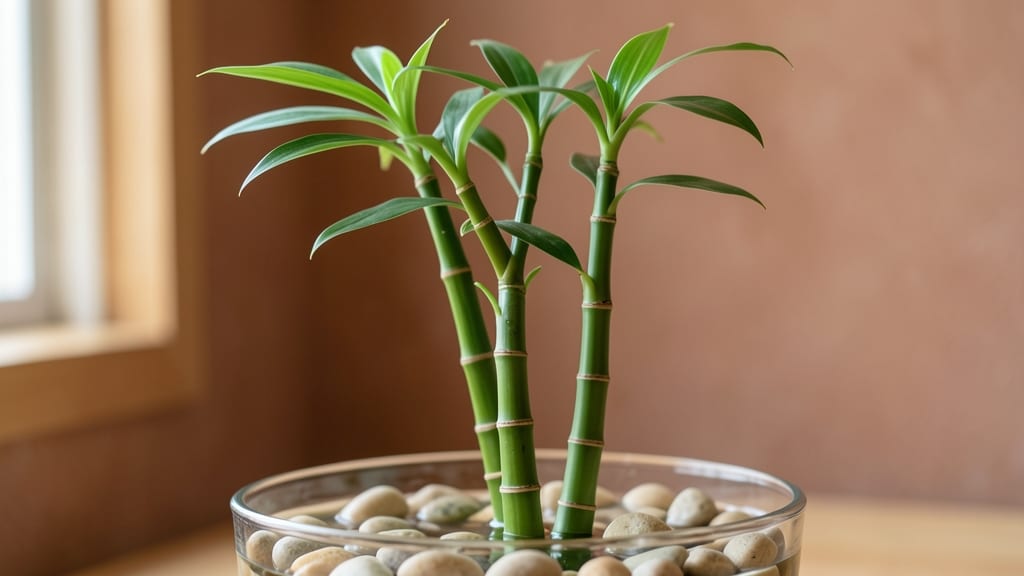
If you’ve ever wondered how tall does bamboo grow in a year, you’re about to discover why this plant is one of nature’s most impressive growth machines. 🌿 Some varieties can shoot up 3 feet or more in a single season, turning a small patch into a towering privacy screen or dramatic garden feature almost overnight.
But here’s the catch: not all bamboo grows at the same speed, and without the right care, even the fastest varieties can lose their momentum.
Whether you’re dreaming of a lush backyard hedge or just curious about this plant’s incredible potential, understanding its growth habits is the key to getting the results you want.
In this guide, I’ll break down the fastest-growing types, share expert tips to maximize their height, and reveal how to keep them under control—even in small spaces. Ready to turn your garden into a bamboo wonderland?
Let’s dive into the secrets behind bamboo’s rapid growth and how you can harness it—without the headaches. You’ll learn which varieties deliver the fastest results, how to nurture them for optimal height, and even how to work with their towering potential in tight yards.


Fastest-growing bamboo varieties and their annual height gains
Bamboo’s reputation for rapid growth isn’t just hype—some varieties can gain 3 feet or more in a single season if given the right conditions. The key lies in understanding the differences between running and clumping bamboo, as well as how climate and care influence vertical growth.
I’ve grown both types and can confirm that Phyllostachys species often lead the race, while Fargesia varieties offer controlled height gains without the spread.
For example, Phyllostachys aureosulcata (Yellow Groove Bamboo) can shoot up 24-36 inches in its first year, especially in warm climates with 6+ hours of sunlight daily. Meanwhile, Bambusa multiplex (Dwarf Bamboo) might only reach 12-18 inches annually, but its compact stature makes it ideal for containers or small gardens.
The growth rate also depends on whether the bamboo is planted in well-draining soil with ample organic matter or struggling in poor conditions.
| Variety | Growth Type | Annual Height Gain | Mature Height | Sunlight Needs |
|---|---|---|---|---|
| Phyllostachys aureosulcata | Running | 24-36" | 20-30 ft | Full sun |
| Bambusa multiplex 'Tiny Tower' | Clumping | 12-18" | 6-8 ft | Partial shade |
| Phyllostachys bissetii | Running | 30-36" | 30-40 ft | Full sun |
| Fargesia robusta | Clumping | 12-24" | 10-15 ft | Partial shade |
| Bambusa oldhamii | Clumping | 18-24" | 15-20 ft | Full sun to partial shade |
Running bamboo like Phyllostachys bissetii can be a game-changer if you’re aiming for privacy screens or windbreaks, but its aggressive spread requires root barriers to prevent it from taking over your yard. I once planted this variety near my fence and saw it reach 3 feet in just 6 months—though I had to install a 3-foot-deep barrier to keep it contained. Clumping varieties, on the other hand, like Fargesia robusta, grow more slowly but stay put, making them perfect for small gardens or containers.
One common misconception is that all bamboo grows at the same rate. In reality, climate plays a huge role. For instance, in USDA Zone 8 or higher, bamboo can grow 20-30% faster than in cooler zones like Zone 5.
I’ve seen Phyllostachys nigra (Black Bamboo) grow 18 inches in a single summer in my Zone 8 garden, while the same variety in Zone 6 might only gain 12 inches annually. This is why choosing the right variety for your hardiness zone is critical.
If you’re planting bamboo for height quickly, focus on running varieties like Phyllostachys species, but be prepared for maintenance. For low-maintenance height gains, clumping bamboo like Bambusa multiplex is your best bet—it won’t overpower your space but still delivers noticeable growth each year. My ‘Tiny Tower’
How to maximize bamboo growth in a year without losing control
Bamboo’s rapid growth is one of its most impressive traits, but unlocking that potential requires the right approach. If you’re aiming for 3 feet of height gain in a single year, focus on three key factors: soil nutrition, watering consistency, and pruning strategy.
Skipping any of these can leave your bamboo stunted or struggling to reach its full height.
First, start with a nitrogen-rich soil mix—this is the secret weapon for vertical growth. Bamboo thrives on organic matter like compost or well-rotted manure, which fuels its rapid shoot production.
I recommend amending your soil with a 10-10-10 balanced fertilizer in early spring to kickstart growth, then top-dressing with compost every 6-8 weeks.
🌱 Pro Growth Tips for Bamboo
- Feed in spring with nitrogen to boost new shoots.
- Water deeply 2-3x per week during peak growth months.
- Prune old canes in late winter to redirect energy upward.
- Use root barriers for running types to contain spread.
- Avoid over-pruning—never remove more than 1/3 of foliage at once.
Watering is just as critical—bamboo needs consistent moisture to fuel its height gains. Deep watering 2-3 times per week during the growing season (spring to early fall) encourages strong cane development.
I’ve found that morning watering minimizes evaporation and reduces fungal risks. For container-grown bamboo, check soil moisture daily, as pots dry out faster.
Pruning might seem counterintuitive when you’re chasing height, but strategic cuts actually accelerate vertical growth. Remove old, hollow canes in late winter to free up nutrients for new shoots. For clumping varieties, I recommend thinning out crowded stems to improve air circulation and light penetration.
Running bamboo, however, needs a root barrier to prevent underground spread while still allowing upward growth.
One common mistake gardeners make is over-pruning foliage to control height. While it might seem logical, stripping too many leaves reduces the plant’s ability to photosynthesize, which directly impacts cane strength and growth rate.
Instead, focus on selective pruning—remove only the lowest 1/3 of leaves to maintain energy flow upward.
Finally, don’t overlook the power of seasonal adjustments. In late summer, reduce watering slightly to harden off new growth before winter. For tropical varieties, consider moving potted plants indoors or to a sheltered location when temperatures drop below 40°F.
With these strategies, you can push your bamboo’s annual height gain to 3 feet or more while keeping it healthy and contained.